
Recording Studio Ligthing Ideas
Published on June 23, 2026
Reading time: 6min
By Lucas Medus - Studio & Acoustics Expert at Red House
Sommaire
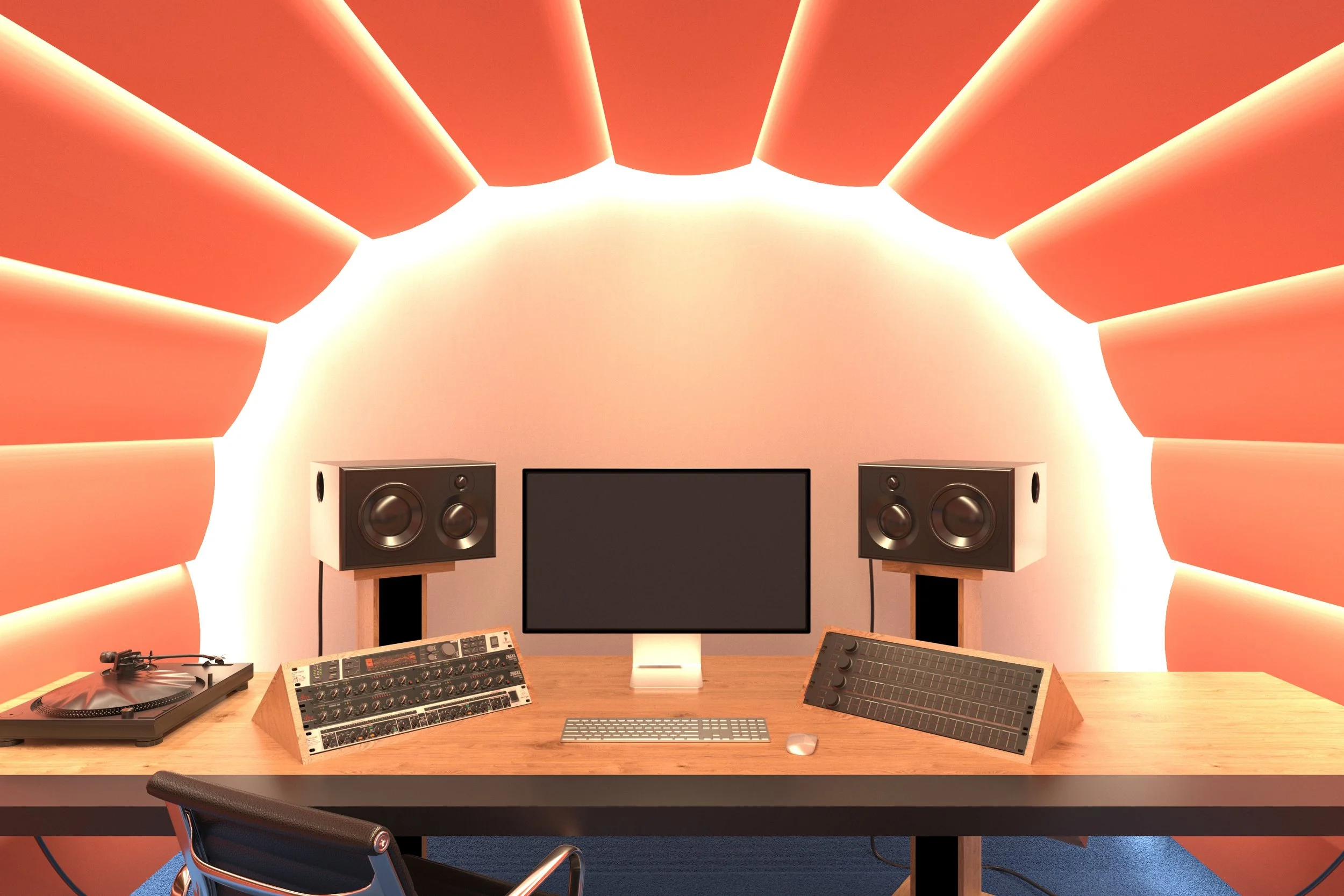
When designing a creative space, lighting is far more than just a decorative choice. The right illumination forms a vital ecosystem that directly influences ambiance, comfort, and productivity during long sessions. Beyond mere aesthetics, studio lighting has a direct impact on musical creation, shaping the emotional energy of a room and helping artists lock into their flow. Whether you are highlighting high-end recording studio equipment or setting a dim, immersive mood for a late-night mix, smart lighting choices bridge the gap between technical functionality and pure artistic inspiration. Discover our top ideas to transform your workspace into a beacon of focus and creativity.
What is recording studio lighting?
Simply defined, recording studio lighting is the intentional choice and arrangement of light sources within a sound production environment. Unlike standard domestic or office lights meant for basic visibility, studio illumination is highly specialized. It balances technical accuracy with the emotional vibe of the room, turning a functional workspace into an inspiring creative haven.
Today, audio production and visual media are deeply linked. Modern recording studio ideas must account for the fact that sessions are frequently filmed for social media, music videos, or vlogs. Therefore, studio lighting must look pristine on camera while remaining perfectly adapted to the artists making the music.
Why lighting is important in a recording studio?
Proper illumination is essential because it directly impacts both the human well-being and the commercial success of a creative facility.
Visual Comfort: Audio professionals spend long hours focusing on complex interfaces. Tailored lighting ensures optimal visibility, dramatically reducing eye strain and overall mental fatigue.
Creative Ambiance: Light shapes mood instantly. Adjusting the colors and intensity helps artists find their emotional flow, which directly enhances the musical performance.
Professional Image: First impressions matter. Premium lighting immediately projects a highly professional image to visiting clients, labels, and collaborators.
Equipment Optimization: Strategic lighting highlights your gear. It ensures that everything from large mixing desks to compact home recording studio equipment is both easy to operate and visually stunning.
10 recording studio lighting ideas
LED lighting setups
Versatile and energy-efficient, these setups allow you to change colors instantly to match the session's energy. Ideal for both tracking and mixing.
Blue lighting for focus
Blue hues promote concentration and calmness. Use this lighting when performing detailed editing or complex technical tasks to keep your mind sharp.
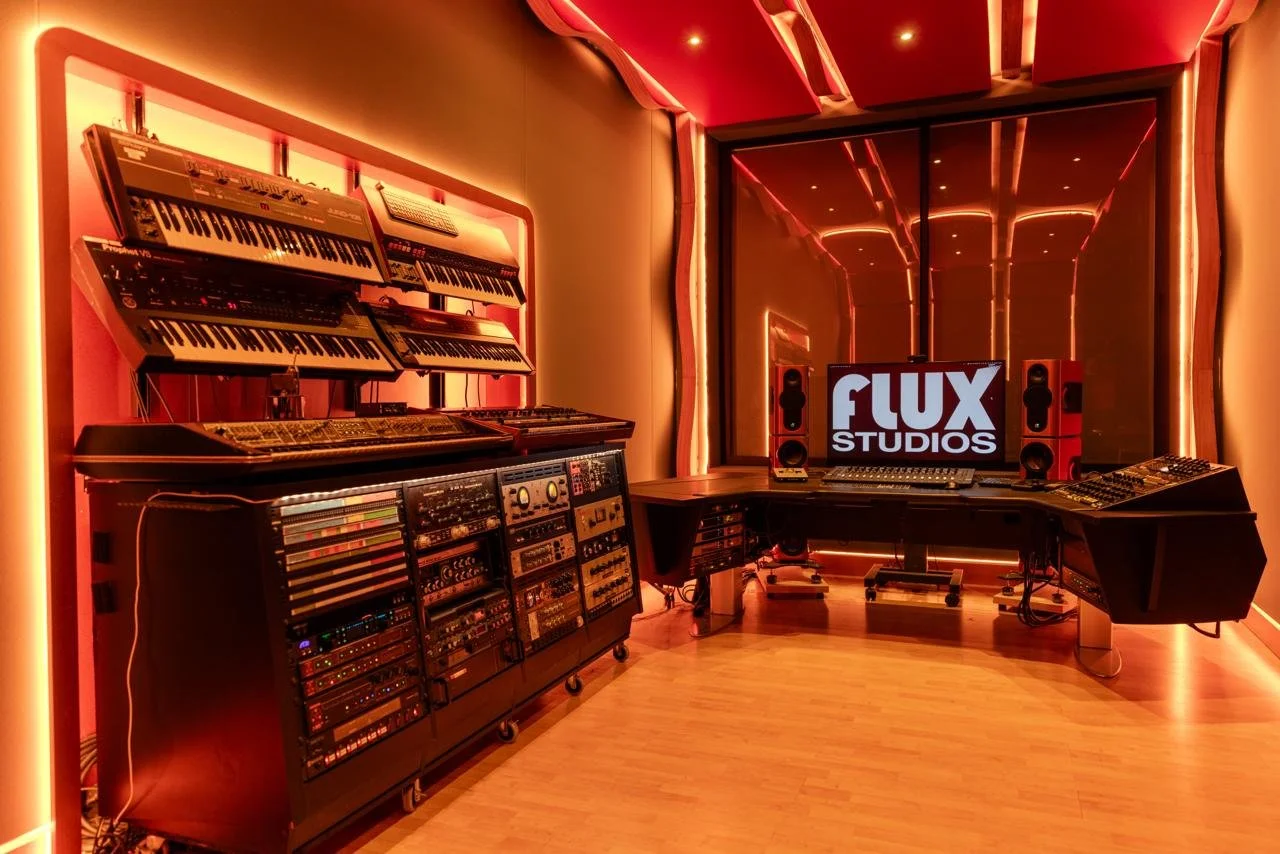
Red lighting for ambiance
Red light creates an intimate, warm atmosphere. It is the perfect choice for late-night vocal tracking or recording sessions that require deep emotional engagement.
LED strip lights
Easy to install, these are perfect for highlighting acoustic panels or desk edges. They add a modern, futuristic look to your gear without cluttering space.
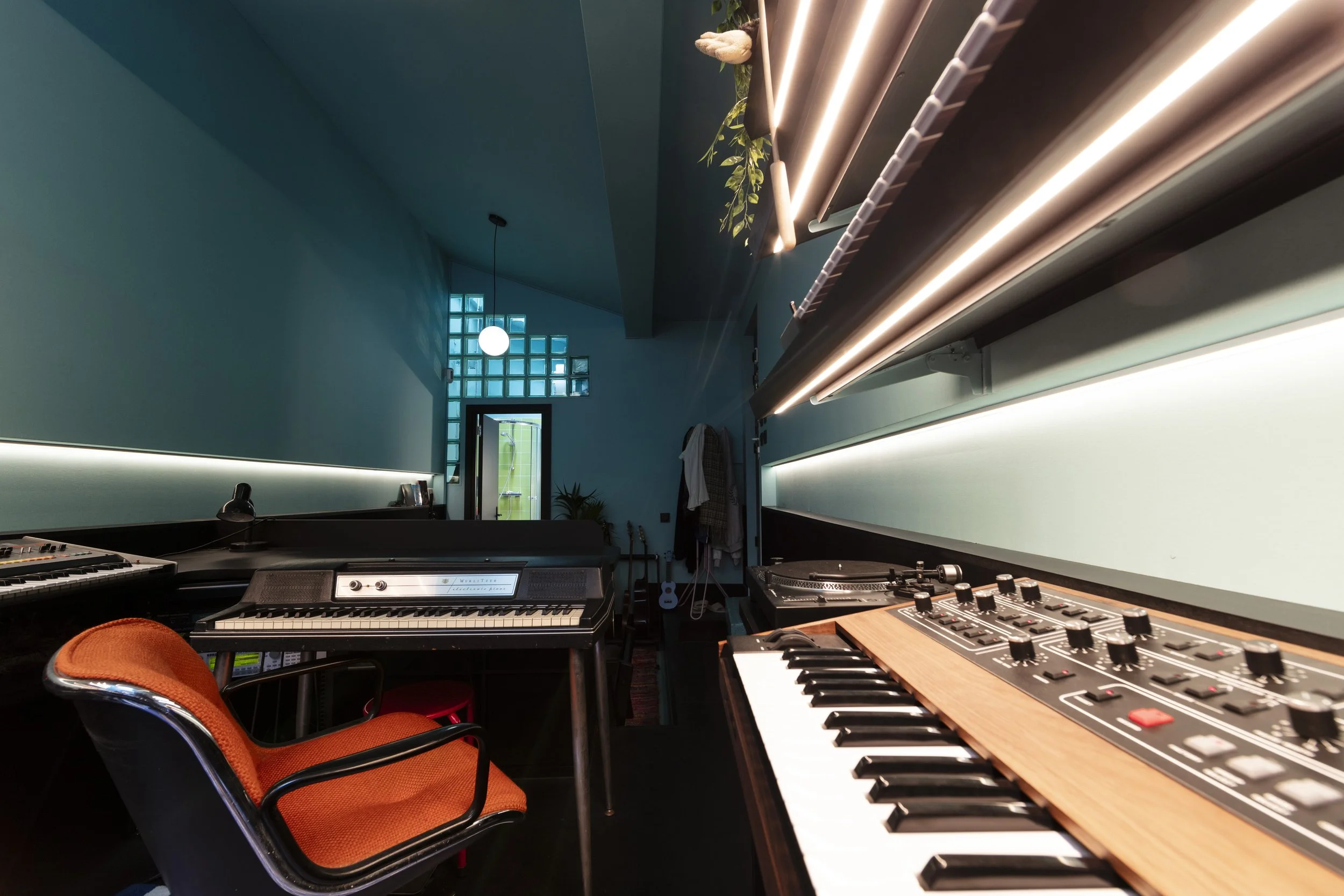
Smart lighting systems
Control your studio’s mood via your smartphone or voice. These systems are ideal for instantly switching between "recording," "mixing," and "client meeting" presets.
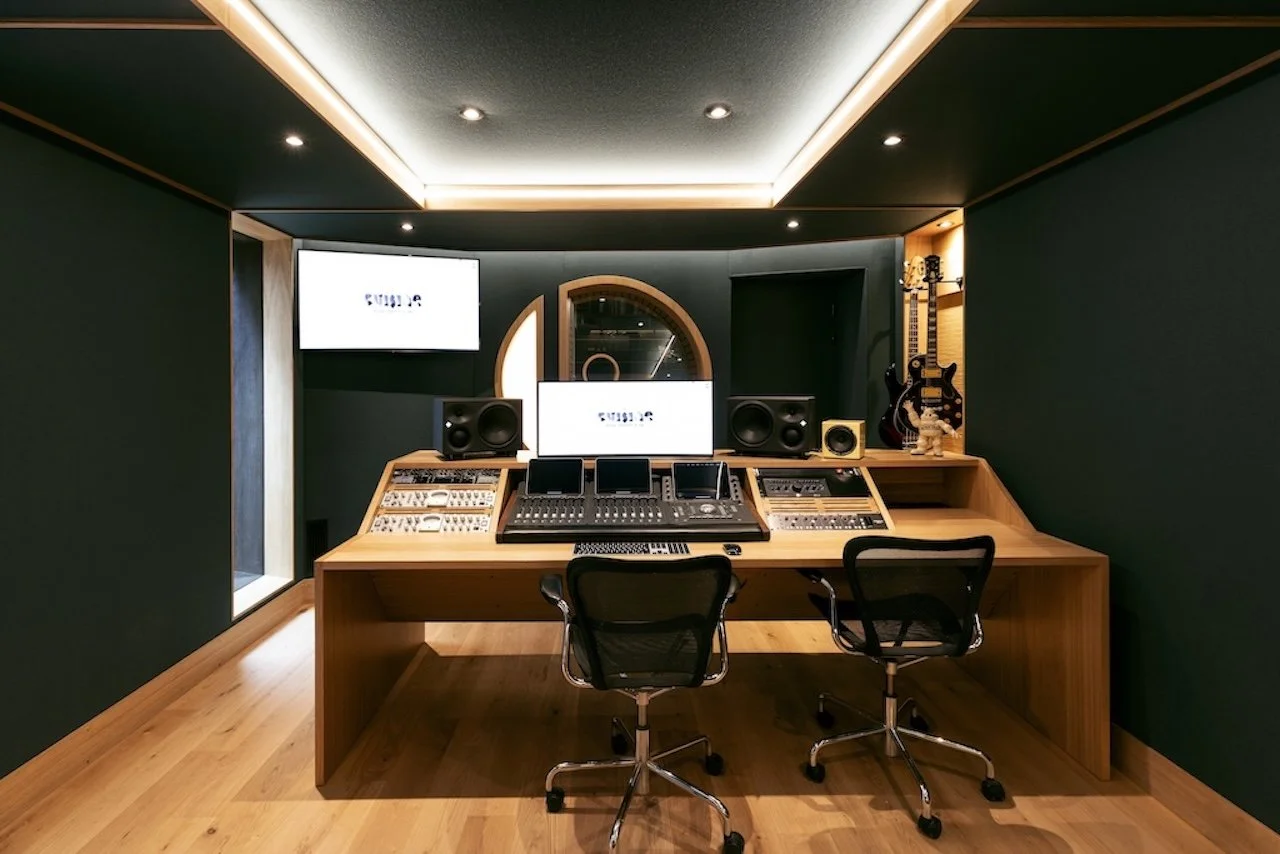
Ceiling lighting with dimmers
Essential for flexibility. Dimmers allow you to transition from bright, functional light for setup to soft, comfortable light for long listening sessions.
Neon or accent lighting
Use neon signs or specific accent lamps to inject personality and branding into your room. It makes your studio stand out on social media.
Ambient lighting for creative sessions
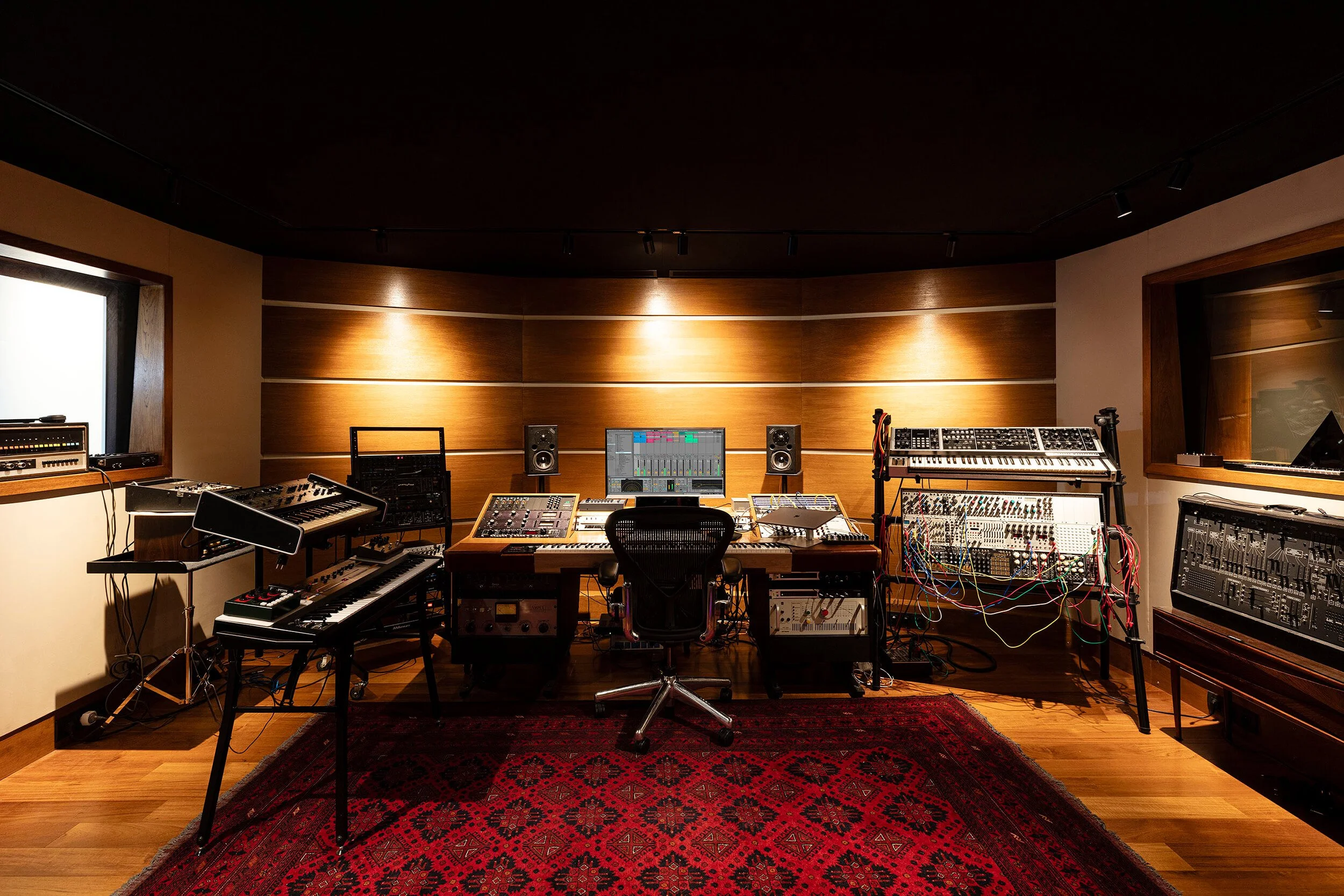
Soft, indirect lighting that fills the room without glare. This setup is perfect for brainstorming or songwriting sessions where comfort is the priority.
Portable lighting setups
Ideal for mobile producers. These compact lights allow you to maintain a professional look and consistent vibe whether you are in your home studio or at a remote location.
Decorative lighting (lava lamps, etc.)
Beyond functionality, items like lava lamps provide organic, slow-moving visual interest. They help artists relax and feel "at home" during high-pressure sessions.
How to choose the right lighting for your studio?
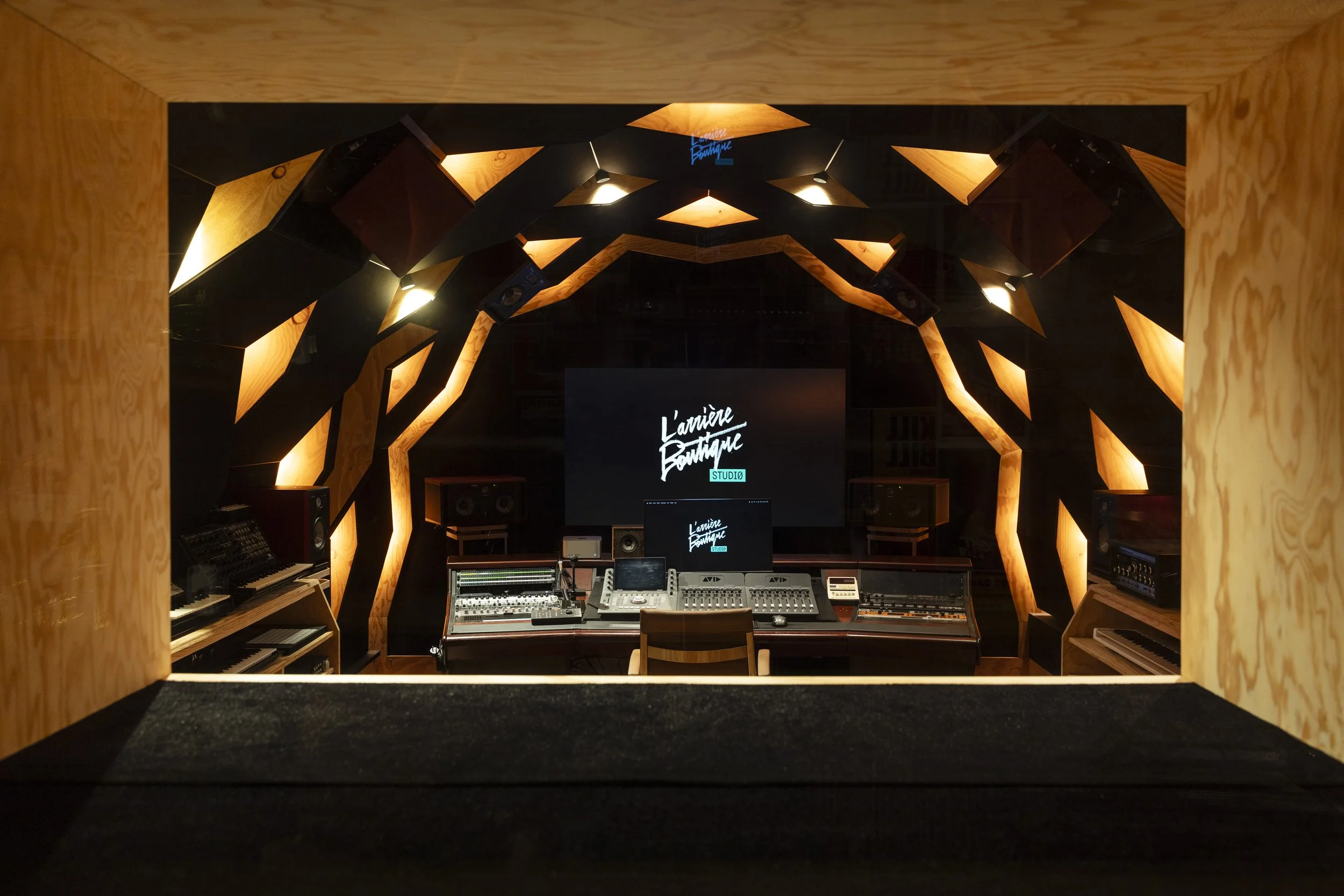
Choosing the right illumination depends entirely on your workflow, budget, and space. You need to look for fixtures that are flexible enough to transition from high-focus technical tasks to deeply creative, relaxed sessions without disrupting your workspace.
How to set up lighting in a recording studio?
| Smart Placement | Position your lights strategically to cover your workspace without obstructing your workflow or creating distracting shadows. |
| Avoid Reflections | Ensure fixtures do not reflect directly off your computer monitors, mixing consoles, or studio glass, as this causes severe eye strain. |
| Zone Management | Treat the control room and the vocal booth differently. The booth requires intimate, soft light for the artist, while the control room needs a balance of functional and mood lighting. |
| Light Balance | Avoid harsh contrasts between pitch-black areas and intense bright spots. Aim for smooth transitions to keep the environment comfortable. |
What type of lighting should you use?
LED: The industry standard for energy efficiency and low heat emission, ensuring your studio stays cool around sensitive gear.
COB (Chip-on-Board): Excellent for powerful, dense, and seamless light output without the "dot" effect of standard LEDs.
RGB: Essential for changing colors instantly, allowing you to match the visual vibe to the musical genre or mood of the session.
Dimmable: Mandatory for full control over brightness levels throughout long, exhausting days and late-night sessions.
Flicker-free: Absolutely crucial if you film your sessions. High-quality flicker-free lights prevent annoying banding lines on your video recordings and camera feeds.
Recording studio lighting for home studios
A dedicated desk studio recording workstation helps optimize your home studio layout, making it easier to position your recording studio chair and integrate essential elements like lighting. Lighting a home setup requires a smart balance between budget and efficiency. Since space is often limited, prioritize USB-powered LED strips, smart bulbs that fit into standard lamps, and compact clip-on fixtures. These tools let you completely alter the mood of a bedroom or basement studio instantly without requiring complex electrical installations or taking up valuable floor space.
Common mistakes to avoid
Overlooking heat emission: Using older incandescent bulbs can quickly turn a small, soundproofed room into an oven, risking damage to sensitive equipment.
Ignoring screen glare: Placing harsh lights directly opposite your monitors or gear displays causes intense eye strain and ruins visual focus.
Choosing cheap, non-flicker-free LEDs: Low-grade lights will create distracting vertical lines on camera, ruining any video content or live streams you record.
Neglecting dimming capabilities: Relying on a simple on/off switch leaves you stuck with full brightness, destroying the cozy mood needed for deep creative sessions.
Why professional studio design makes a difference?
While DIY setups can get you started, a professional studio design seamlessly integrates lighting, acoustics, and ergonomics into one cohesive ecosystem. Expert placement ensures that your visual environment completely enhances your workflow, minimizes fatigue, and leaves a lasting impression on clients. This level of detail is exactly what premium buyers look for when searching for a high-end recording studio for sale, as it ensures everything is optimized without ever compromising your acoustic treatment or electrical safety.
Recording studio lighting: frequently asked questions
-
The best studio lighting relies heavily on led technology due to its energy efficiency and low heat emission. Unlike traditional tungsten or halogen options, a modern led light fixture won't heat up your room. For a professional setup, integrating a dimmable led system or an led panel allows you to adapt the brightness to your needs. If you are building a commercial space or looking into a recording studio for sale, having built-in recessed downlight fixtures combined with smart lighting control switches is the gold standard for clean, modern aesthetics.
-
The best light color depends entirely on the phase of your project. For technical tasks like mixing or editing, a cool white or daylight setting (around 6000k color temperature) helps maintain focus. For creative tracking sessions, a warmer illumination or an rgb led strip is ideal. Implementing an rgb led system allows you to cycle through red green blue tones to match the mood of the track. If you want to dive deeper into how spatial environment shapes sound workflow, you can check out our expert acoustic consulting services.
-
A studio should be versatile enough to be both, depending on the situation. It should be brighter when you need to handle wiring, position a light stand, or clean your studio equipment, but dim during actual creative sessions. Having a dimmer switch or an led dimmer is essential to control the lumen output. While a bright room is good for video work, long tracking sessions usually require a softer, darker ambient light to reduce eye fatigue and promote comfort.
-
To light a home studio efficiently without a massive budget, you can rely on a versatile lighting kit. Using a flexible led strip or strip lights behind your desk creates a beautiful glow without taking up desk space. You can also position a simple led lamp or led bulbs in standard sockets. If your room also serves as a visual space for vlogs, adding a compact softbox or a led video light on a small tripod will give you a clean, diffused look. For those seeking comprehensive acoustic integration alongside their layout, exploring custom acoustic solutions is a great next step.
-
Directly, no—light waves do not alter audio tracking. However, it affects it indirectly in two massive ways: human performance and electronic interference. Poor choices like old fluorescent light tubes or cheap ballast units can introduce an audible electrical hum into your microphones. Furthermore, if you are capturing video inside a recording studio booth, you must use flicker-free led lights to avoid horizontal lines on camera. Ultimately, creating the right visual environment ensures a better experience when recording at studio sessions, helping artists deliver their best performance.