
Recording at a Studio: What to Expect and How It Works
Published on May 19, 2026
Reading time: 9min
By Lucas Medus - Studio & Acoustics Expert at Red House
Sommaire
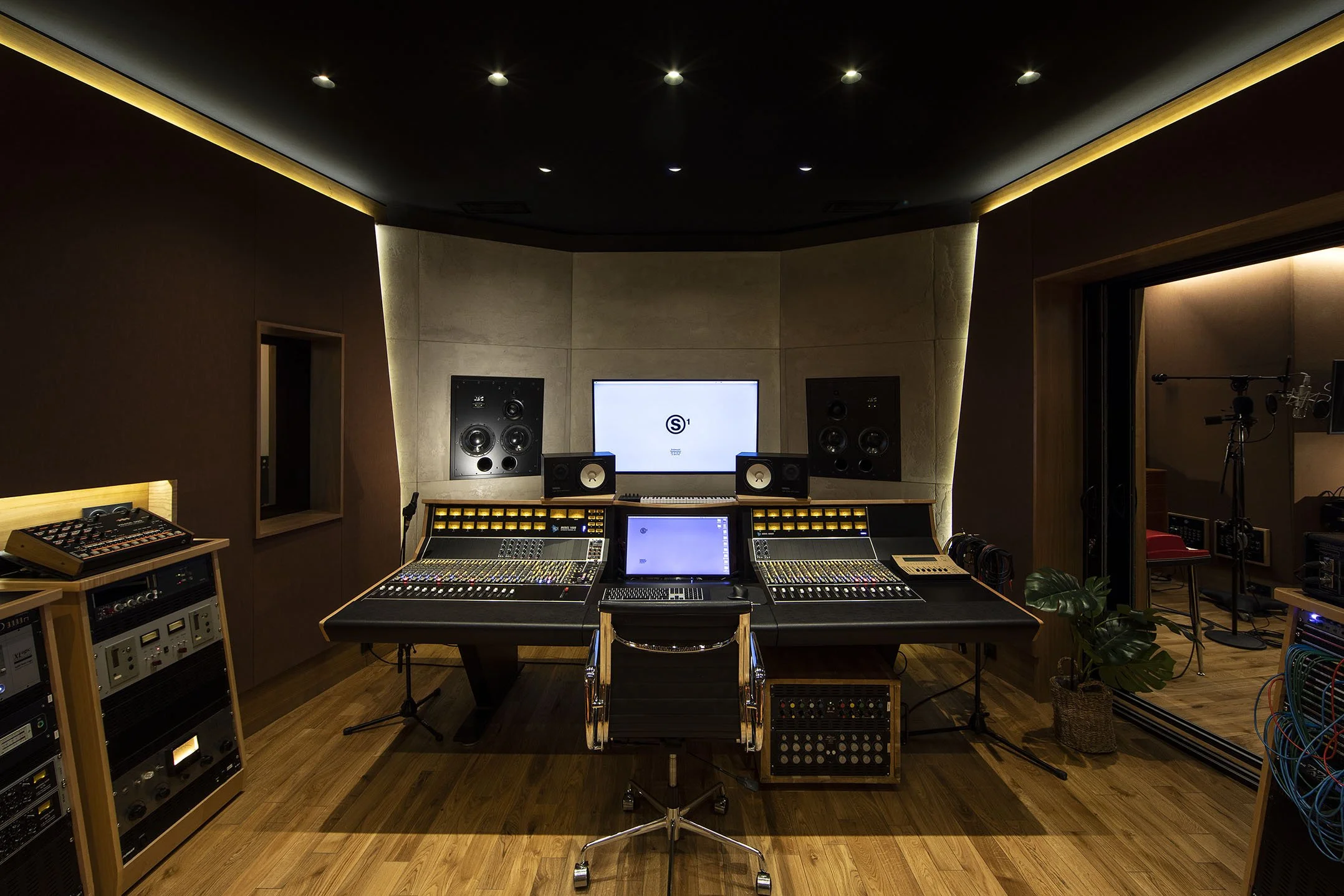
Recording at a professional studio means much more than just capturing sound; it is about stepping into a meticulously engineered environment designed to maximize artistic potential.
While home setups have grown in popularity, artists who want to elevate their sound still choose to submit your music to a recording studio or book a traditional recording studio to access high-end acoustics, pristine signal chains, and the invaluable expertise of a professional audio engineer. Understanding how a commercial session works is the first step toward a successful release.
From technical workflows to creative collaboration, this guide covers exactly what to expect so you can arrive prepared and ready to deliver your best performance.
What does recording at a professional studio mean?
While tracking a demo in a home studio offers great convenience for initial music production, choosing to book a session for recording at a professional studio represents a major shift in sound quality. A commercial, professional recording studio is a purpose-built facility engineered to solve acoustic problems that software plugins cannot fix.
The primary difference lies in structural acoustics, advanced sound isolation, and dedicated spaces like a pristine recording studio booth. Unlike a residential bedroom where sound waves bounce off parallel walls creating an unwanted, boxy response, a professional space features geometric design and balanced acoustic solutions to eliminate reflections and low-end mud.
Furthermore, a premium studio grants access to world-class recording studio equipment rarely found in a home setup. Artists can utilize high-end condenser microphones, boutique preamps, and precisely tuned studio monitors to capture every performance with absolute transparency.
Finally, the entire session is guided by seasoned recording engineers. Having an experienced audio engineer at the console allows the artist to focus entirely on their performance while an expert handles microphone placement and multitrack routing within the digital audio workstation, ensuring the tracks are perfectly optimized for mixing and mastering.
How does recording in a studio actually work?
A successful studio session relies on a structured, professional workflow designed to balance technical precision with creative energy. While every musical project is unique, understanding the typical chronological steps allows artists to maximize their scheduled time and ensure that every phase of production runs smoothly from start to finish.
1. Booking studio time
The process begins long before you step into the live room. Booking studio time involves scheduling your sessions and discussing your specific project goals with the facility. This pre-production phase is crucial for aligning on instrumentation, track counts, and expected timelines, ensuring that the engineering team is fully prepared and that your budget is optimized before the clock starts ticking.
2. Setting up microphones and instruments
Once you arrive, the audio engineer meticulously positions high-end microphones, routes signals through boutique outboard preamps, and tunes the room acoustics for your specific sound. Meanwhile, musicians set up their instruments, run initial soundchecks, and establish comfortable headphone monitoring mixes to ensure a perfect performance environment.
3. Recording the basic tracks
With the technical foundation set, the core rhythm section typically drums, bass, and structural rhythm guides is captured first. The main focus during this foundational tracking phase is to lock down the perfect groove, timing, and physical energy within the digital audio workstation, creating a solid backbone for the rest of the song.
4. Recording overdubs and additional parts
Once the foundation is secure, secondary layers are added to build texture, depth, and emotion. This is the stage where lead vocals are captured inside a specialized vocal booth, and where you layer guitar solos, keyboards, brass, or backing harmonie
5. Mixing the final track
In the final phase, the mixing engineer operates from a meticulously tuned control room to blend all separate elements into a cohesive sonic picture. This step involves balancing individual levels, applying equalization, controlling dynamics, and adding spatial effects to ensure that the final master translates flawlessly to the outside world.
How much does recording at a studio cost?
| Rate Type & Factors | Typical Price Range | What Influences the Cost? |
|---|---|---|
| Hourly Rate | $50 – $200+ / hour | Best for quick vocal tracking, voiceovers, or single-instrument overdubs. The price fluctuates based on the engineer's experience and the scarcity of the studio’s vintage gear or microphone locker. |
| Day Rate | $400 – $1,500+ / day | Typically covers an 8 to 10-hour block. Booking a full day is highly recommended for tracking complex drum kits or full live bands, as it offers a lower average cost per hour compared to standard hourly rates. |
| Key Cost Drivers | Variable |
Studio Tier: Legendary facilities with historic tracking rooms command premium rates. Engineering Fees: Hiring a high-profile chief engineer or specialized producer adds significantly to the base room rate. Post-Production: Mixing and mastering services are usually billed as separate flat fees per track. |
Because studio time equals money, arriving unprepared is the fastest way to blow through your budget. To maximize every minute on the clock, artists should engage in extensive pre-production before the session begins. Locking down arrangements, practicing to a click track (metronome), and ensuring all instruments are perfectly maintained and re-stringed beforehand will prevent costly downtime.
By treating the studio as a place for execution rather than experimentation, you ensure that your investment goes directly into capturing a high-performance master rather than troubleshooting mistakes.
How to prepare before recording in a studio?
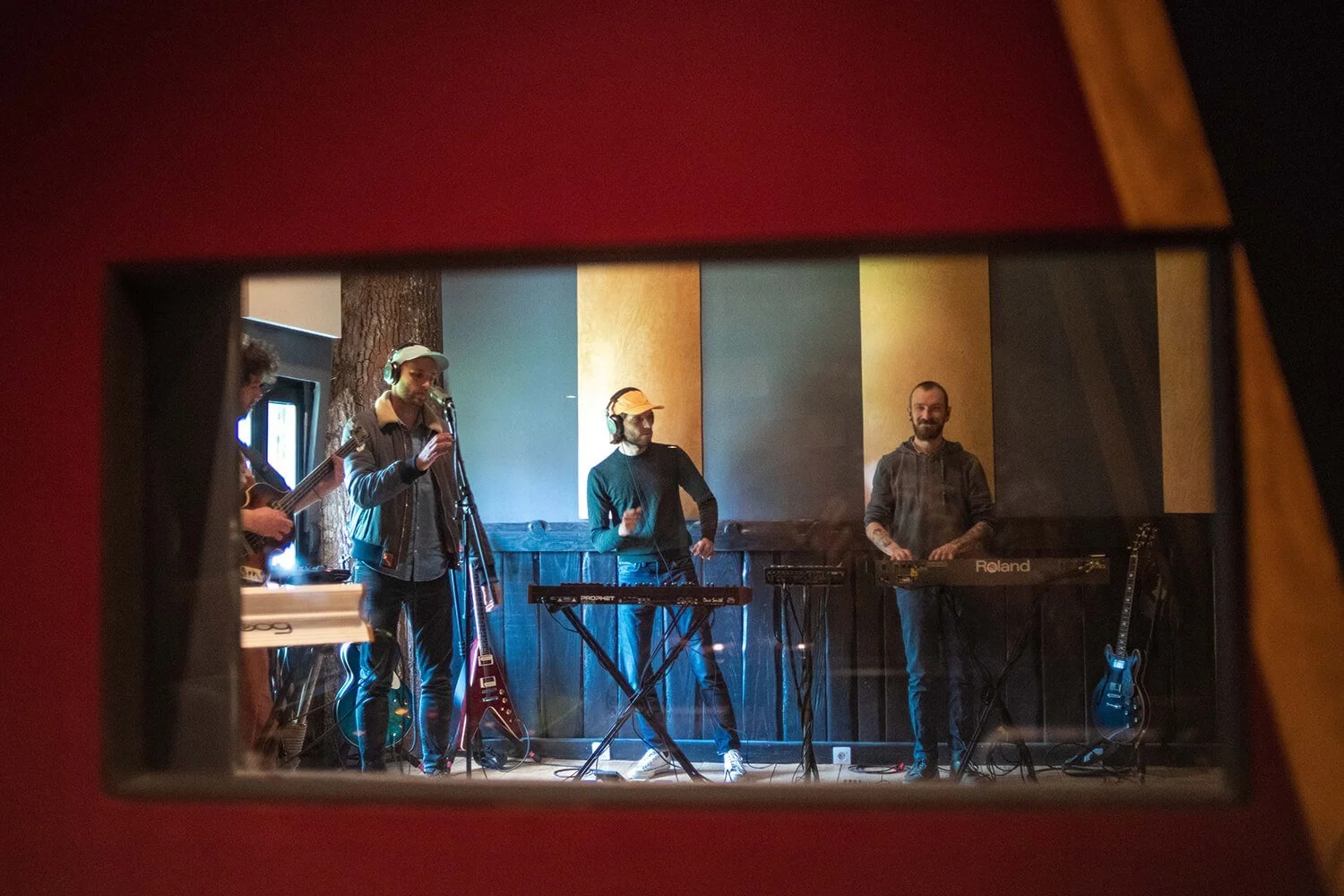
Arriving at a commercial facility without proper preparation is the fastest way to waste inspiration and inflate your budget. To maximize your session, the most critical step is to rehearse your songs thoroughly, whether in your own garage recording studio or a rented space until every band member can play them flawlessly to a metronome. This structural tighteness allows you to lock down the core tracks quickly, leaving room for creative experimentation later. Alongside raw practice, finalizing your musical arrangements beforehand ensures that parts do not clash in the frequency spectrum, preventing tedious rewriting on the studio clock.
Part of this preparation also means mapping out exactly which parts to record and in what order, creating a clear checklist for the tracking day. Furthermore, ensuring your instruments are completely ready such as changing strings, checking drum heads, or selecting the right hardware is vital to maintaining structural stability and tone throughout the session. If you are handling complex multi-instrument setups, choosing the correct recording studio equipment ahead of time will prevent technical delays. Ultimately, some producers find that preparing for these logistical hurdles makes investing in a commercial property sound highly appealing; if you are looking to establish your own permanent production base instead of renting time, you can browse active listings to find a turnkey recording studio for sale that fits your long-term goals.
What does a recording engineer or producer do?
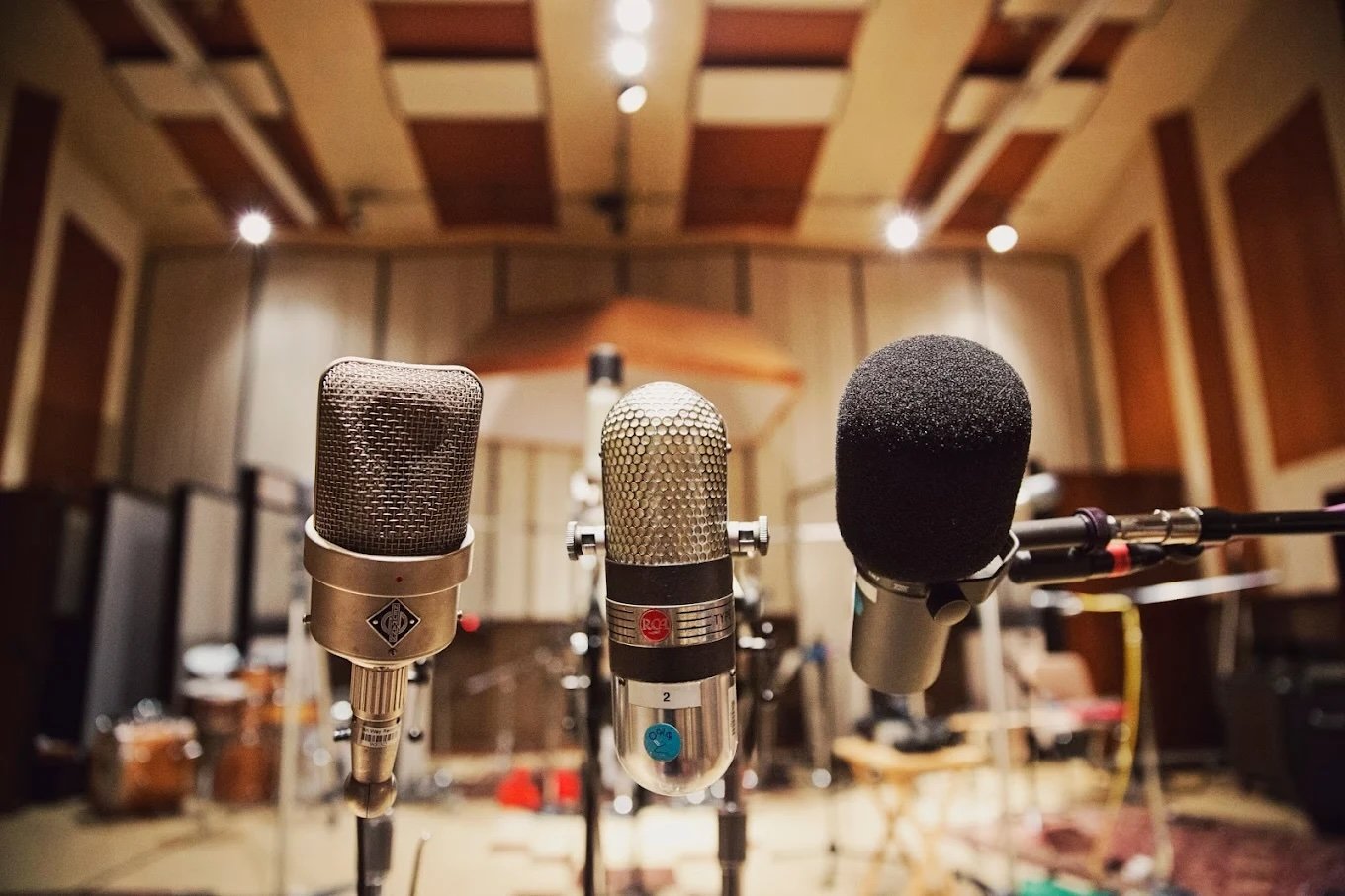
Behind every great record is a team of specialized experts, each bringing a distinct set of skills to the sonic landscape. While their roles frequently overlap in independent or budget-conscious sessions, understanding who does what is key to a seamless studio experience.
The Recording Engineer: This is the technical mastermind of the session. The recording engineer is responsible for the physical capture of sound choosing the right microphones, positioning them precisely, managing signal flows, and ensuring that the raw tracks are captured with pristine fidelity. They focus on the physics of sound so the artist can focus on the performance.
The Producer: If the engineer handles the how, the producer often shapes the why. A music producer acts like a film director. They guide the artistic vision of the project, offer creative feedback on arrangements, push performers to deliver their best takes, and make high-level decisions regarding the overall vibe and emotional impact of the track.
The Mix Engineer: Once the tracking is complete, the mix engineer takes over. Their job is to balance the individual elements adjusting volume levels, panning instruments across the stereo field, and applying equalization, compression, and effects. They blend dozens of separate tracks into a cohesive, impactful, and dimensional single master file.
Recording live vs recording track by track
When preparing for a studio session, one of the most critical decisions you will make is choosing your tracking methodology.
The approach you select fundamentally shapes both the creative energy in the room and the ultimate texture of the music.
Live Recording
In a live recording setup, the entire band or a core rhythm section plays together simultaneously in the same room (often utilizing isolation booths for specific amplifiers or vocals). This traditional approach captures the raw, organic energy of a real-time performance. The primary advantage is the "vibe" and natural groove that only happens when musicians feed off each other's physical cues. However, it requires a high level of performance discipline, as mistakes by one player can bleed into other microphones, making individual edits more challenging.
Overdubs (Track-by-Track)
The track-by-track approach builds a song layer by layer. Typically, a drummer tracks first to a metronome (click track), followed sequentially by the bass, guitars, keys, and finally, lead and background vocals. This method offers unparalleled control, surgical precision, and absolute sonic isolation for each instrument. If a mistake is made, only that specific part needs to be re-recorded. While it allows for flawless, complex productions, it can sometimes feel clinical if the musicians don't consciously work to keep the human groove alive.
What happens after recording?
Completing your tracking sessions is a massive milestone, but the journey from raw studio files to a commercially ready release involves two crucial post-production phases: mixing and mastering.
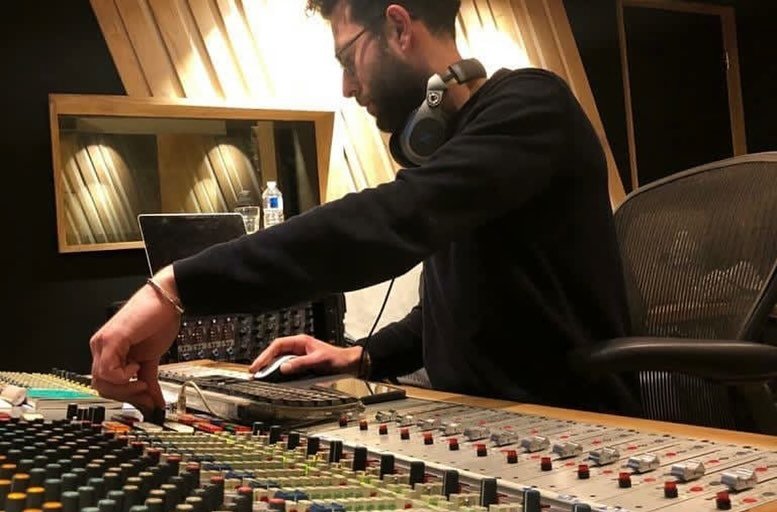
»Mixing
Mixing is the art of sonic architecture. A mix engineer takes the multi-track recordings and sculpts them into a single, unified stereo file. By manipulating frequencies, dynamics, and spatial placement, they ensure that the vocals sit perfectly above the instruments, the low-end punches hard without sounding muddy, and every element has its own dedicated space in the sonic spectrum.
»Mastering
Mastering is the final creative and technical polish. Operating on the single stereo mix file rather than individual multi-tracks, a mastering engineer optimizes the overall tonal balance, enhances the perceived width and depth, and brings the track up to competitive commercial loudness standards. They ensure sonic translation meaning your music will sound equally balanced, whether it is played on high-end club systems, car stereos, or cheap smartphone earbuds.
Why professional recording studios still matter?
In an era where powerful laptops and affordable interfaces allow anyone to record from a bedroom, the question naturally arises: why book a commercial studio? The answer lies in elements that software simply cannot replicate.
Acoustic Quality: The most expensive microphone in the world cannot compensate for a poorly treated room. Professional studios feature purpose-built live rooms and control rooms designed to eliminate unwanted standing waves, flutter echoes, and phase cancellation. This creates a transparent environment where instruments sound exactly as they should.
Technical Expertise: A studio isn’t just a collection of vintage outboard gear, pristine preamps, and rare microphones—it comes with seasoned professionals who know exactly how to deploy those tools. Having a dedicated team handle the technical heavy lifting frees the artist to remain entirely in their creative flow.
Professional Workflow: Commercial facilities are optimized for efficiency and focus. Free from the domestic distractions of a home environment, the structured, creative atmosphere of a dedicated studio inherently elevates the mindset of the performers, driving higher artistic standards and faster project completion.
Designing a professional recording studio
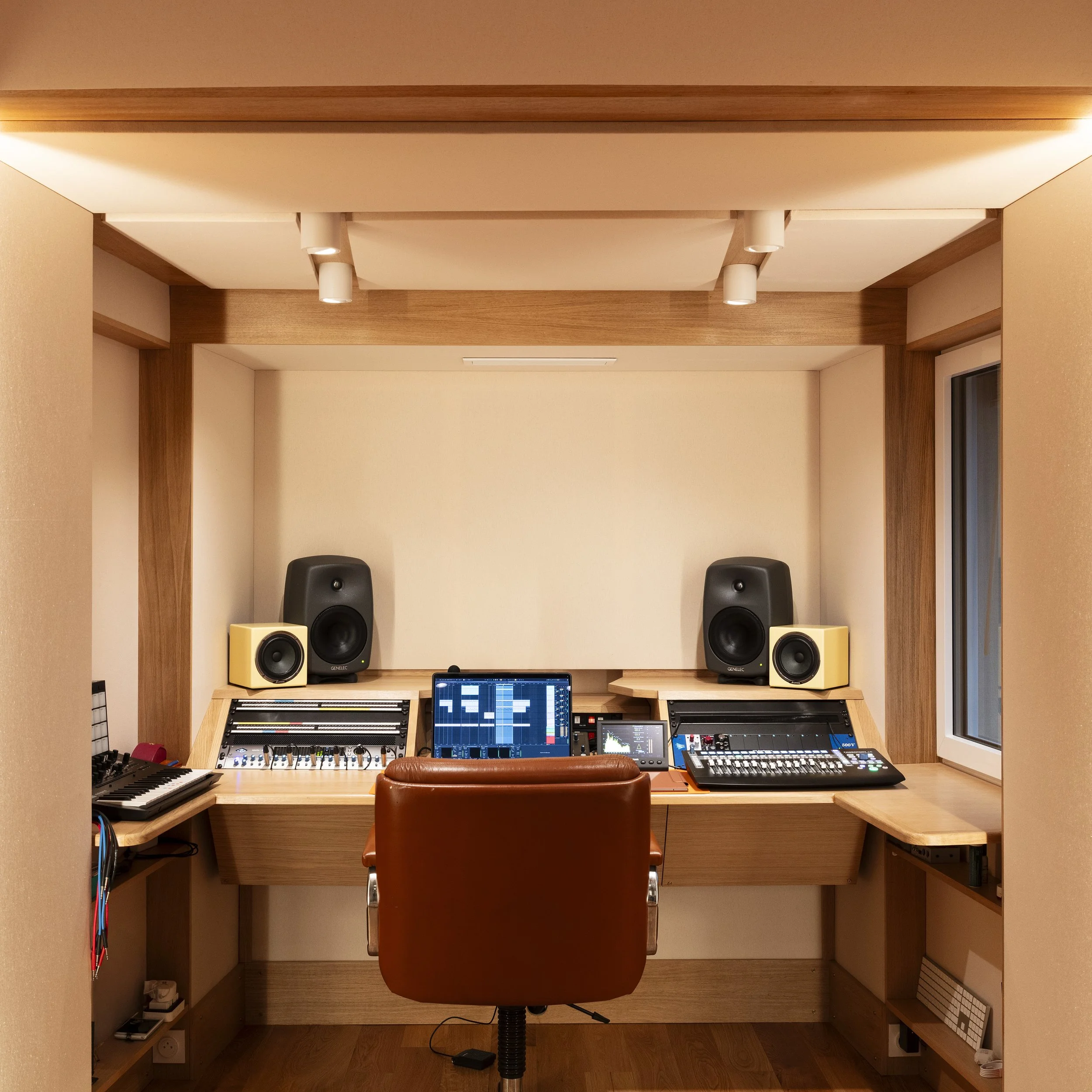
After Touch by Red House
Building a space that can accurately capture and monitor sound requires a meticulous blend of physics, architecture, and interior design. True professional studios are never built by accident; they rely on expert acoustic consulting to ensure they are engineered flawlessly from the ground up.
Acoustic Design: This focuses on how sound behaves inside the room. Through strategic placement of absorption panels, bass traps, and diffusers, acoustic design manages reflections and decay times. The goal is to create an accurate listening environment where what comes out of the monitors is a true representation of the audio file.
Sound Isolation: Often referred to as soundproofing, isolation keeps external noise (traffic, weather, HVAC systems) out of your sensitive microphones, while keeping the loud studio volumes from disturbing the outside world. This requires decoupled "room-within-a-room" construction, heavy high-mass barriers, and specialized acoustic doors and windows.
Studio Layout: A functional studio requires an intuitive physical workflow. Whether configuring a traditional multi-room facility or designing a large open modern recording studio, the spatial relationship between the control desk, live performance areas, and isolation booths must maximize sightlines so musicians and engineers maintain direct eye contact. Furthermore, ergonomic furniture placement and smart cable management ensure long sessions remain comfortable and productive.
Recording at a studio: frequently asked questions
-
The time needed for an audio recording depends entirely on the song's complexity. A simple acoustic track using a single condenser microphone can be wrapped up in 2 to 4 hours. However, a full band setup with a multi-miked drum kit and layered overdubs easily requires a full 8-hour day of studio time. The process includes setting up, recording vocals in the vocal booth, and extensive audio editing during the post production phase before moving to audio mixing and final mastering.
-
When booking a music recording studio, you gain access to high-end studio equipment, including premium microphones (like neumann or shure models), vintage amps, a grand piano, and hardware like an analog compressor. However, musicians should bring their personal instruments (guitars, pedals, or specific elements of a drum kit) to ensure the best performance. The house sound engineer or studio manager will handle the connection to the mixing console and digital audio workstation.
-
Yes, absolutely. A professional recording space is not reserved for platinum artists or those with an engineering degree. Managing a multitrack recording or configuring a midi keyboard on an advanced audio workstation can be overwhelming for beginners. In a commercial facility, the recording engineer or music producer handles the technical complexities of music technology software like pro tools or logic pro. This allows aspiring musicians to focus entirely on their performance and songwriting.
-
It depends on your preparation and workflow. A track-by-track approach offers incredible precision but usually limits production to one song per day. On the other hand, if a well-rehearsed band performs live recording sessions together, you can easily capture three or four high-quality demos in a single day. Arriving with finalized arrangements allows the record producer and mix engineer to maximize your audio production efficiency.
-
While a home studio equipped with a basic audio interface (like a focusrite scarlett 2i2) and software like garageband is great for writing, a commercial recording facility offers unmatched quality. Professional sound studios provide perfect acoustic isolation, soundproofing, and high-end studio monitors. More importantly, you benefit from the technical skills, critical listening, and practical experience of a professional audio engineer to make your track competitive in the music business.
Planning your next recording session or studio project?