
10 Essential Home Recording Studio Equipment for Beginners
Published on June 24, 2026
Reading time: 6min
By Lucas Medus - Studio & Acoustics Expert at Red House
Sommaire
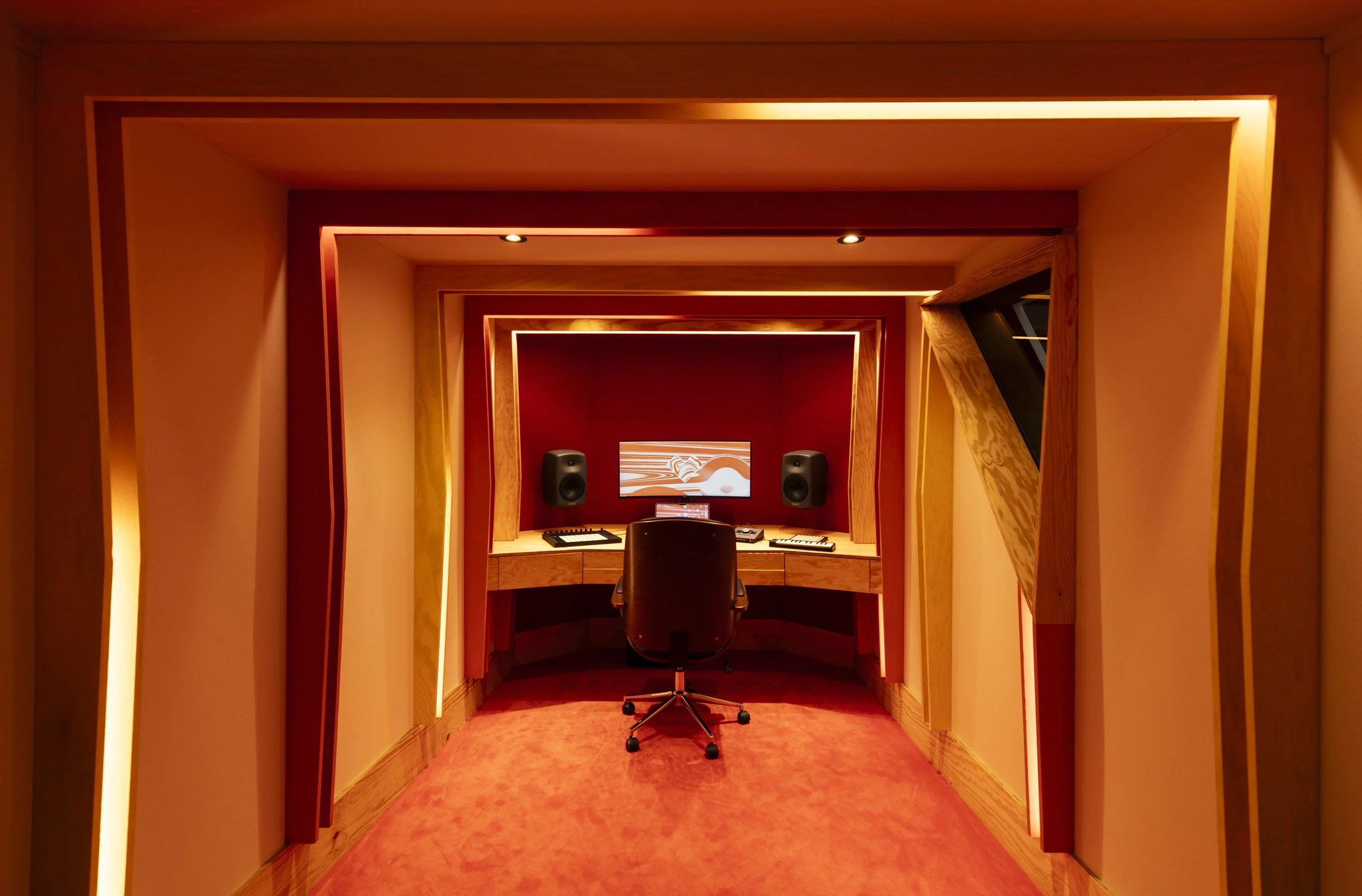
Setting up your own home studio has never been more accessible, opening the doors for anyone to capture professional sound right from their own space. However, to achieve true release-ready quality, selecting the right gear is absolutely paramount. Navigating the endless market options can be overwhelming, and avoiding critical mistakes right from the start will save you precious time, money, and creative energy. Our curated selection of essential recording studios equipment is designed to cut through the noise, ensuring you build a solid, reliable technical foundation without stumbling into common beginner pitfalls.
What equipment do you need to start a home recording studio?
Building your first production space requires selecting core tools that translate your musical ideas into high-quality audio files. Instead of buying advanced, niche hardware right away, focalizing on these fundamental pieces of gear guarantees a highly efficient, reliable, and straightforward workflow.
| Equipment | Role | Essential for |
|---|---|---|
| Microphone | Captures acoustic sounds, vocals, and instruments, converting them into electrical signals. | Recording |
| Audio Interface | Connects your mic and gear to the computer, converting analog signals to digital format. | Recording & Mixing |
| Headphones | Provides accurate, isolated sound monitoring without room reflections or bleeding into mics. | Recording & Mixing |
| DAW | The core software used to record, edit, sequence, arrange, and mix your musical tracks. | Recording & Mixing |
| Monitors | Specialized studio speakers designed to deliver a flat, uncolored, and honest frequency response. | Mixing |
| Basic Acoustic Treatment | Panels and foam tiles that absorb unwanted room echoes and reflections to optimize sound accuracy. | Mixing |
10 essential home recording studio equipment
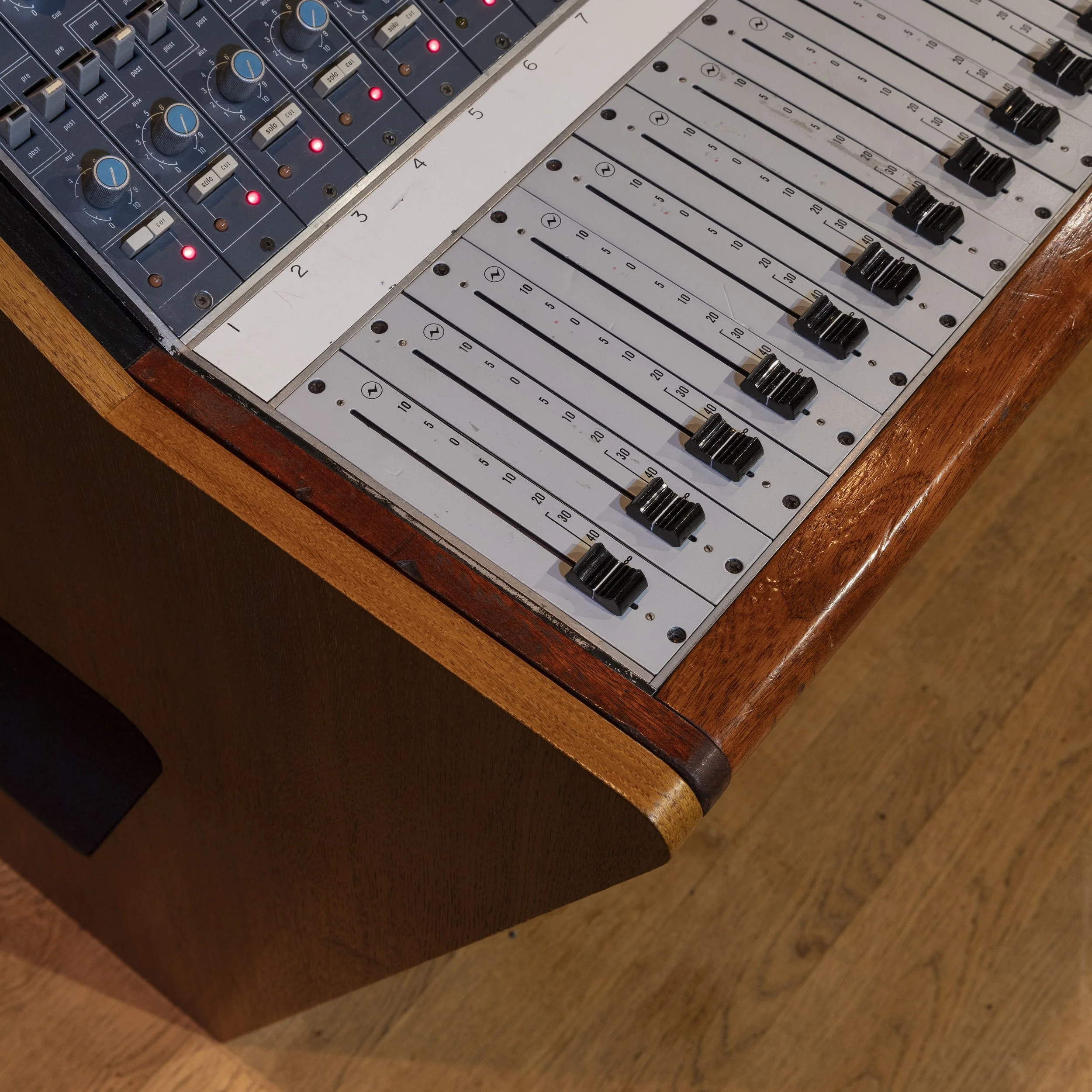
1. Audio interface
Role: This device acts as your studio's central bridge, converting analog signals from your mics into digital data for your computer, and vice-versa for playback.
Why it is essential: Standard computer jacks lack the power and preamps needed for pro gear. An interface eliminates background hiss and latency, allowing you to plug in studio microphones and speakers seamlessly.
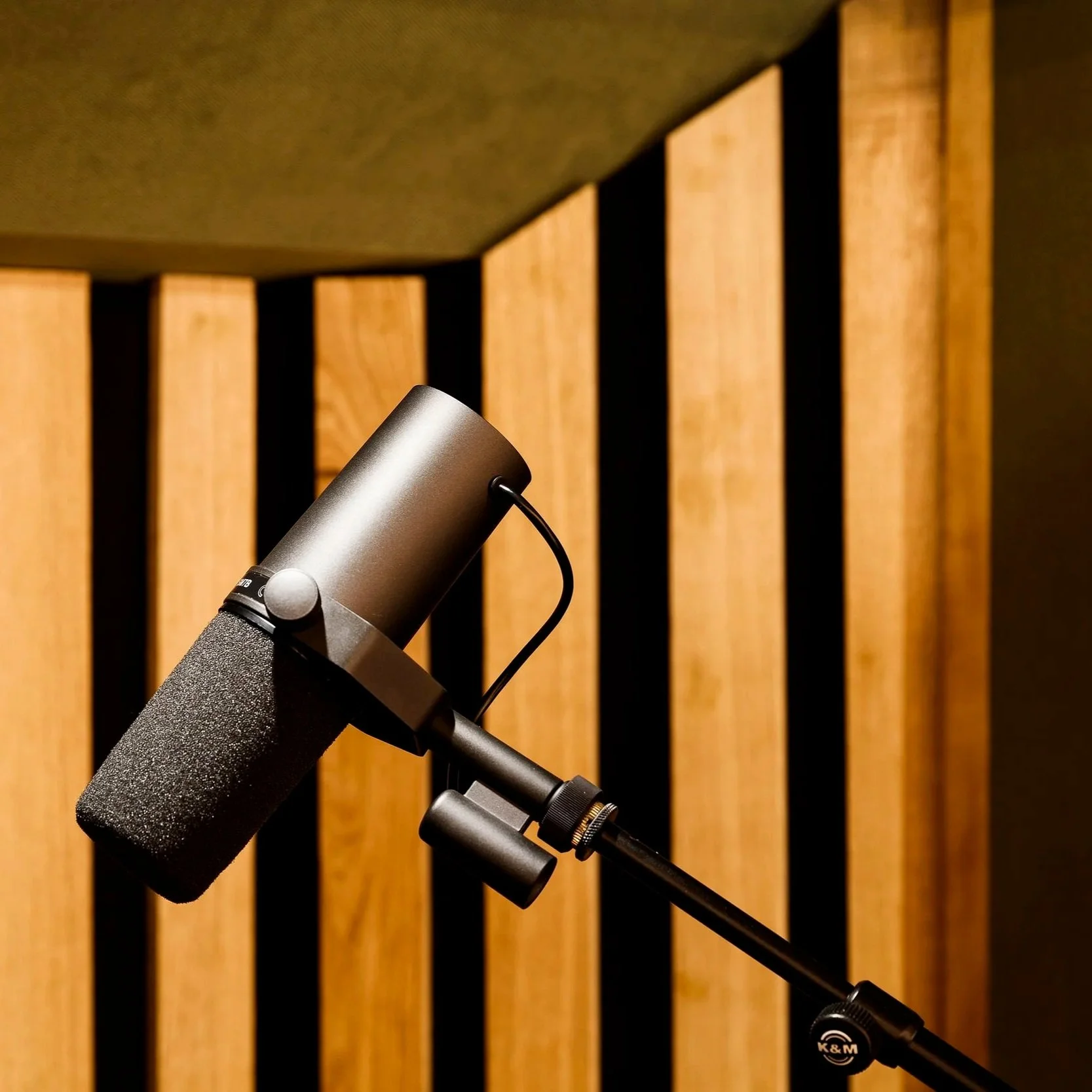
2. Microphone
Role: A microphone captures physical sound waves in your room and translates them into an electrical audio signal.
Condenser vs Dynamic: Dynamic mics are rugged and excellent for loud sources or untreated rooms. Condenser mics are highly sensitive and capture crisp high-frequencies, making them the classic choice for studio vocals.
Why it is essential: It is your primary tool for capturing acoustic sound. Having the right microphone type matching your goals is non-negotiable for clean tracking.
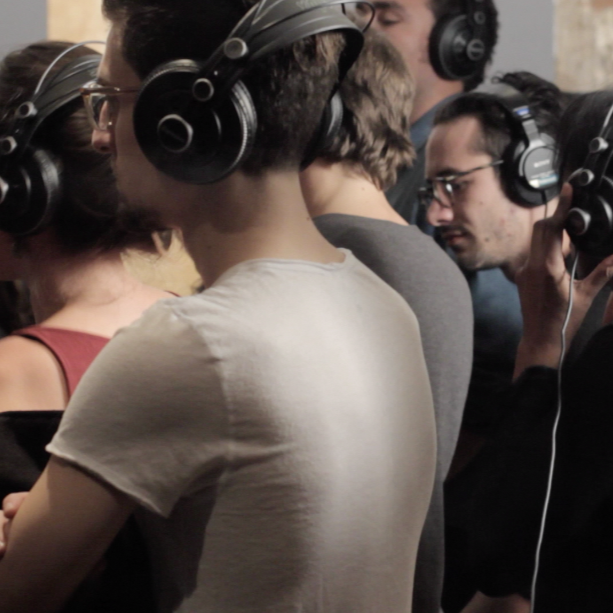
3. Studio headphones
Role: They deliver an isolated, highly detailed sonic reference directly to your ears, blocking external room reflections.
Why it is essential: Closed-back models prevent sound from leaking into an active microphone while you record. They reveal subtle audio imperfections that commercial earbuds completely mask.
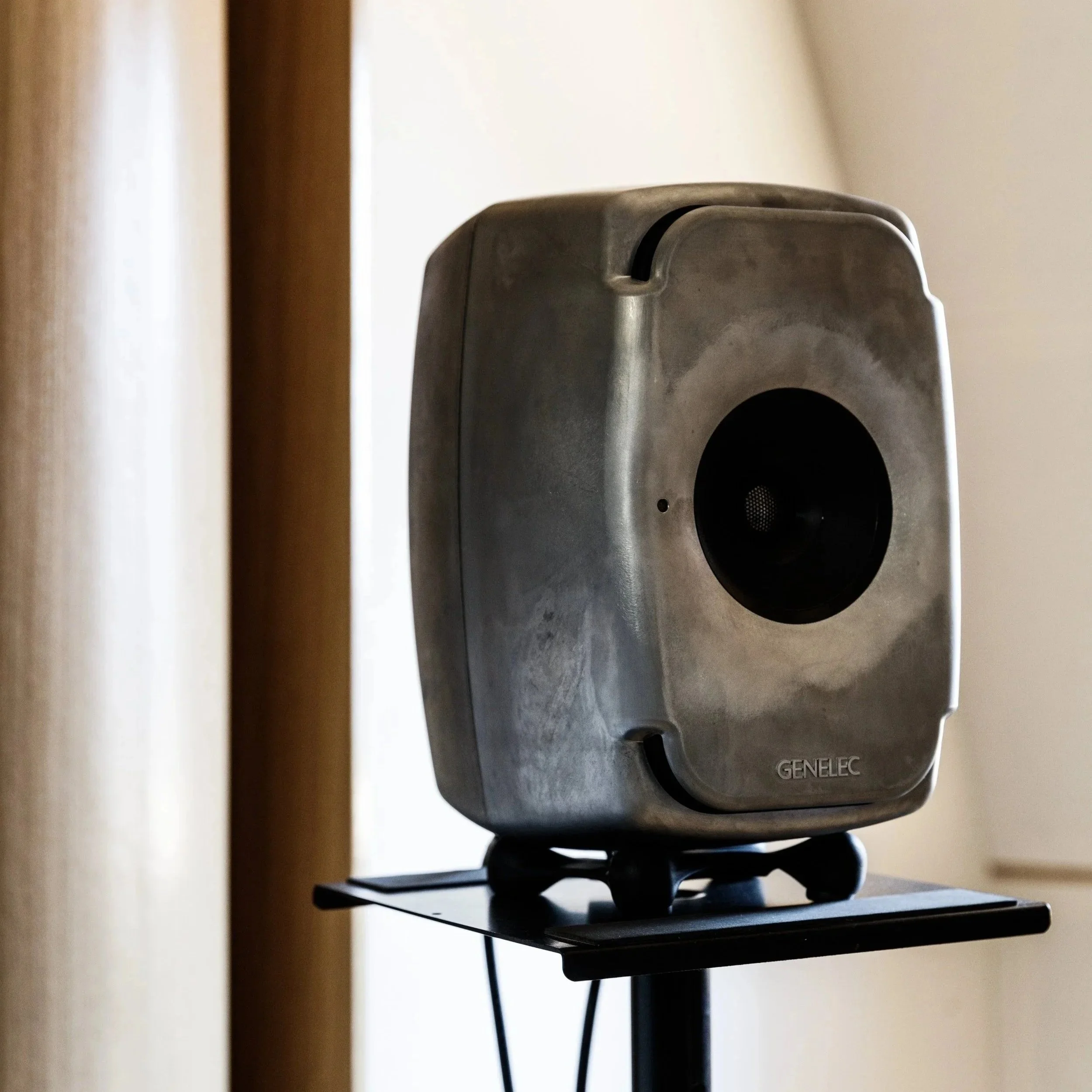
4. Studio monitors
Role: These are specialized speakers engineered to provide a completely flat, honest, and uncolored frequency response.
Why it is essential: Regular speakers artificially boost bass and treble to sound good, which tricks you into making poor mixing decisions. Studio monitors tell the truth, ensuring your music translates perfectly to cars, phones, and big sound systems.
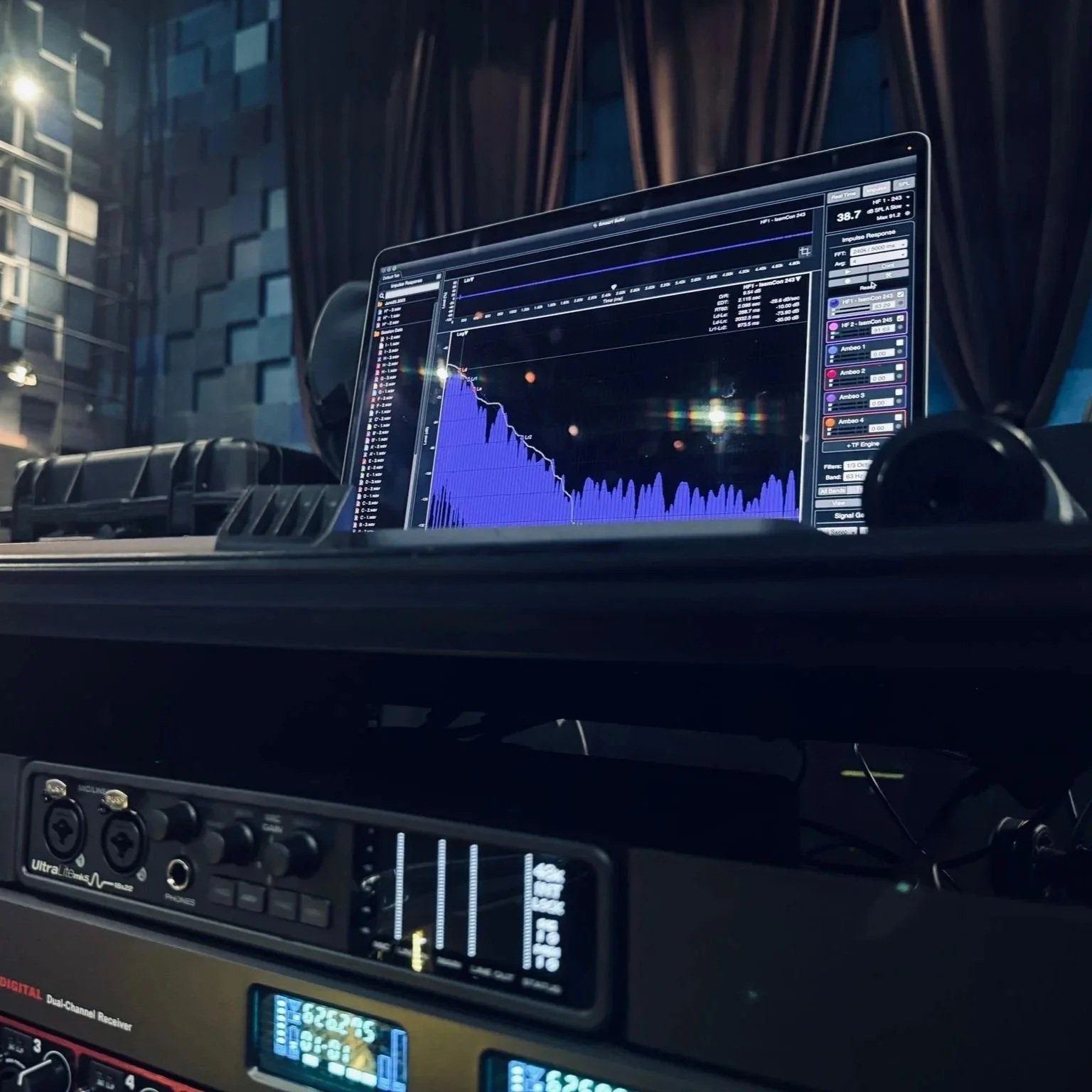
5. DAW (recording software)
Role: The Digital Audio Workstation is the software platform where you record, edit, arrange, and mix all your audio tracks.
Why it is essential: It replaces the massive physical mixing consoles and tape machines of vintage studios. Your DAW is the core environment that hosts all your virtual instruments and plugins.
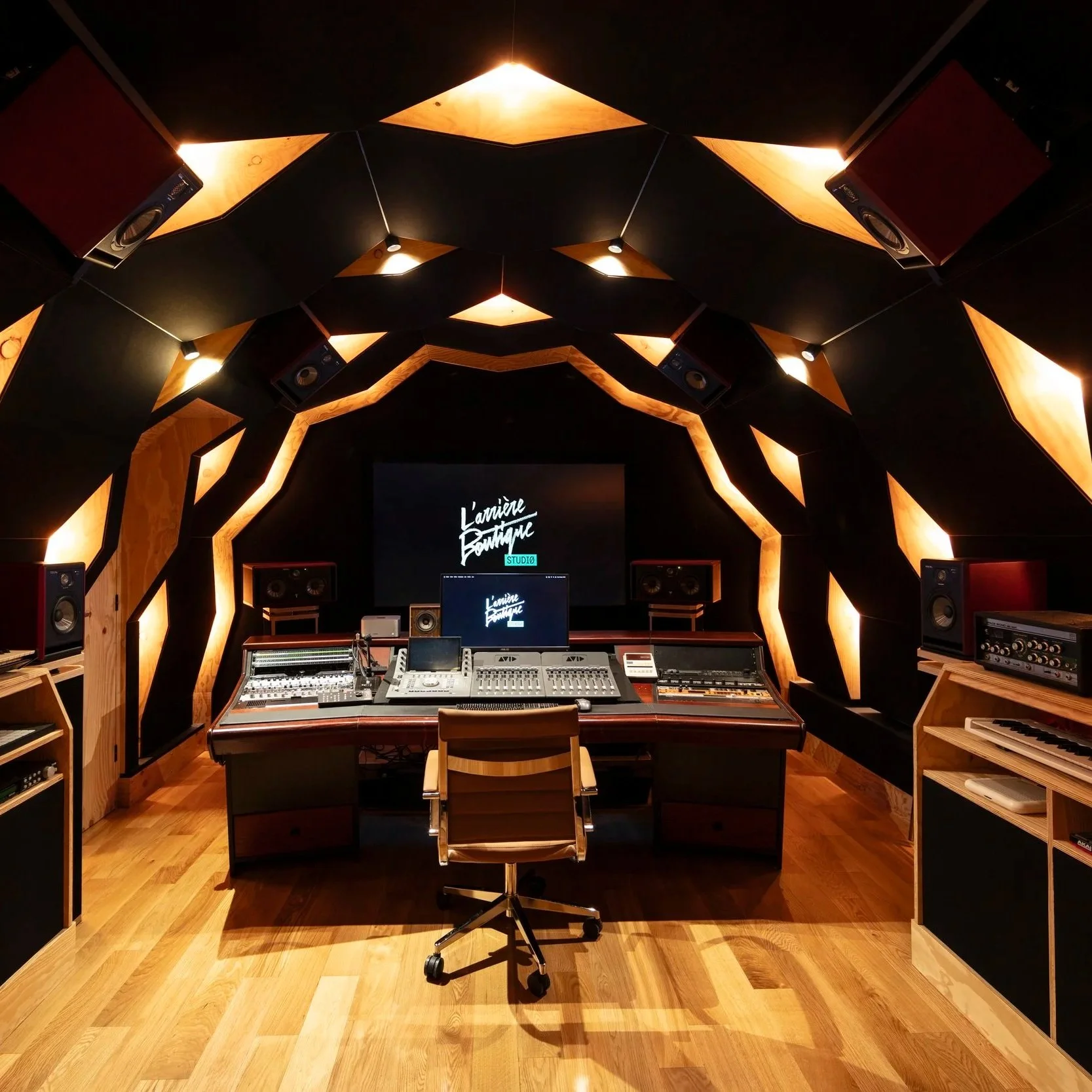
6. Acoustic treatment
Role: Acoustic panels and bass traps control how sound waves bounce off the hard walls and corners of your room.
Why it is essential: Even the best gear will sound bad if your room has heavy echoes or muddy low-end buildup. Treating your space provides the acoustic accuracy required to hear and record clean sound.
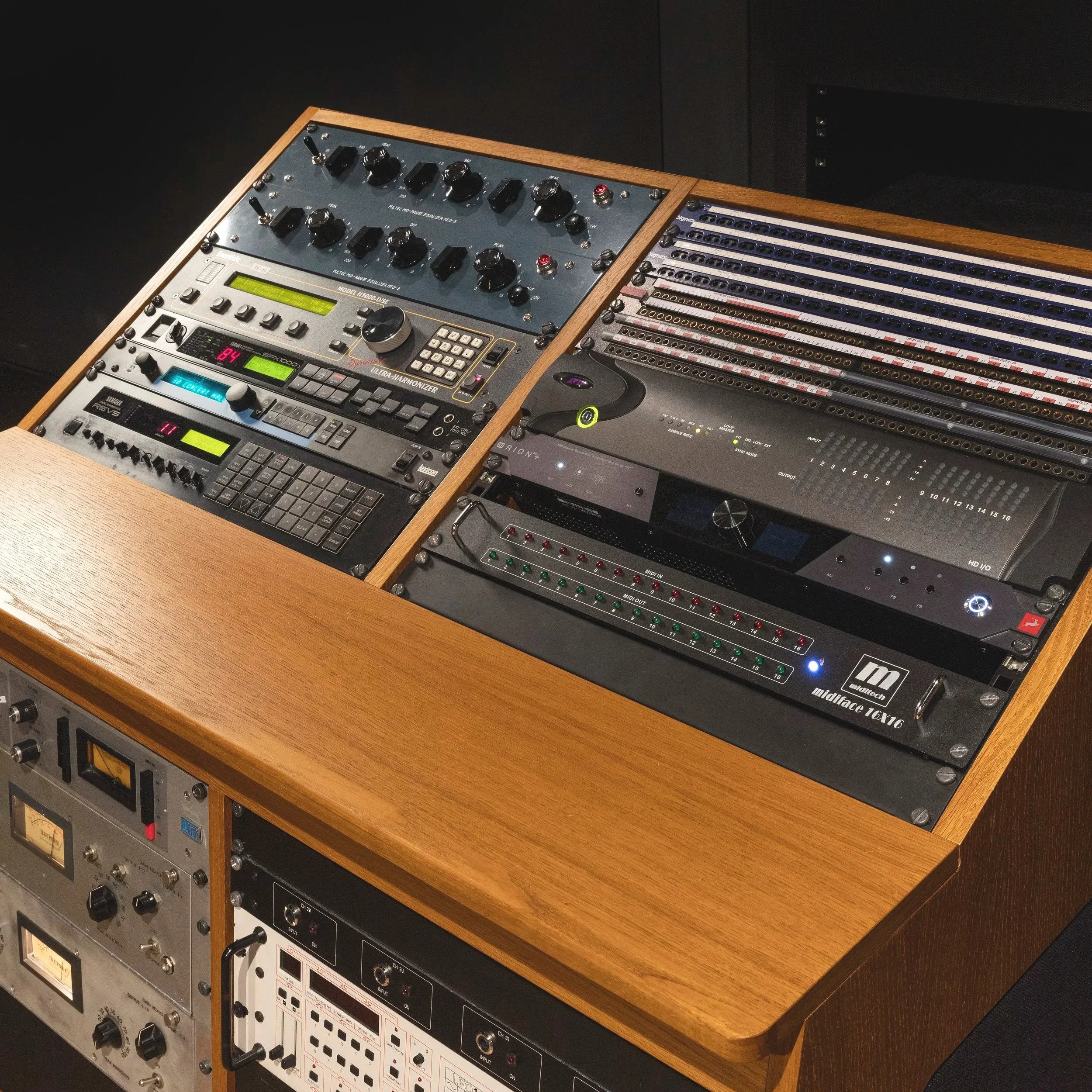
7. MIDI Controller
Role: This keyboard or pad matrix sends digital performance data to your computer to trigger virtual instruments inside your software.
Why it is essential: Instead of clicking notes with a mouse, a MIDI controller lets you play synthesizers, pianos, and drums dynamically, adding human feel and expression to your tracks.
8. Microphone stand and accessories
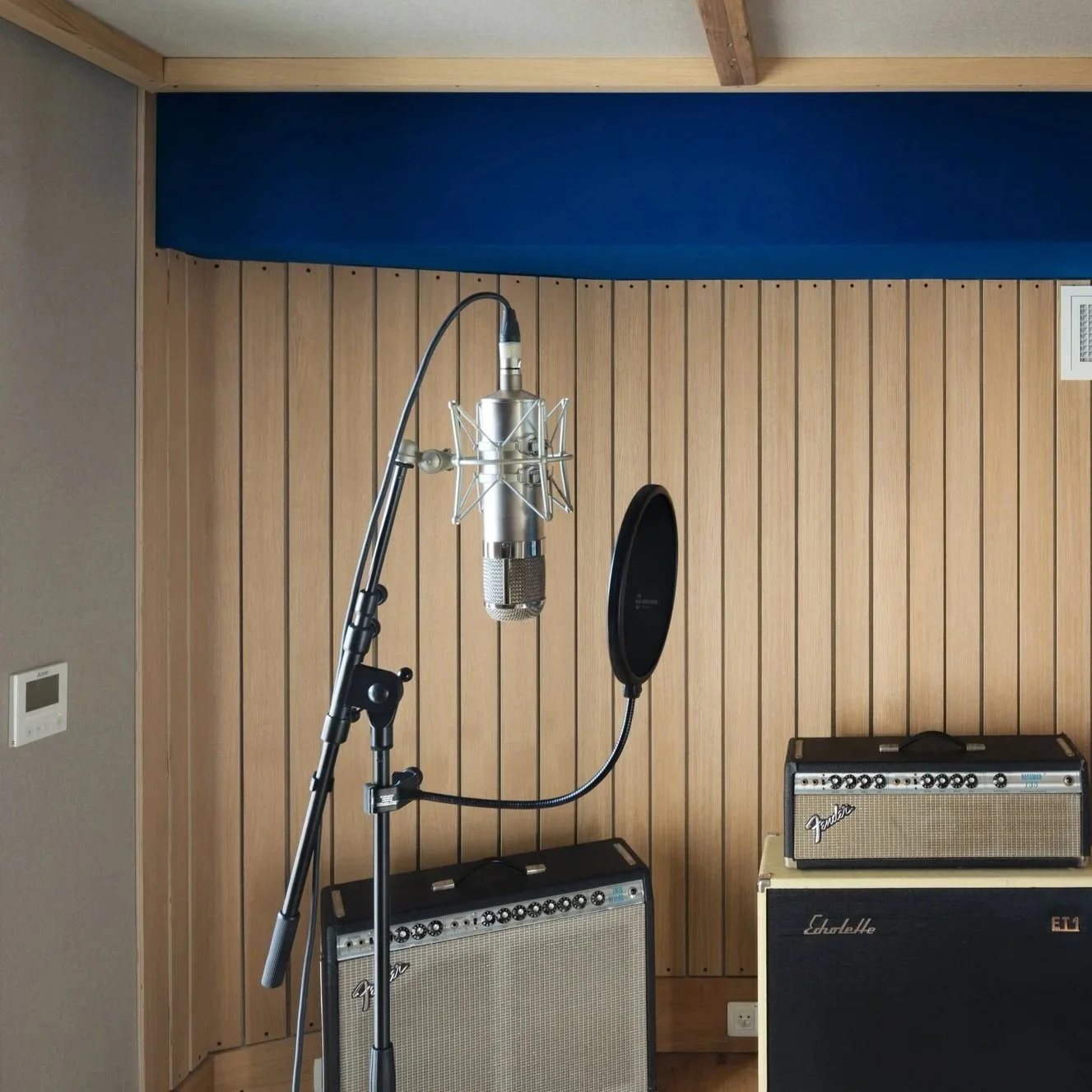
Role: This setup includes a sturdy stand, a shock mount to absorb floor vibrations, and a pop filter placed in front of the capsule.
Why it is essential: Holding a studio mic by hand creates terrible handling noise. Additionally, a pop filter is vital to block harsh "P" and "B" plosives from clipping your recordings.
9. Cables and audio connections
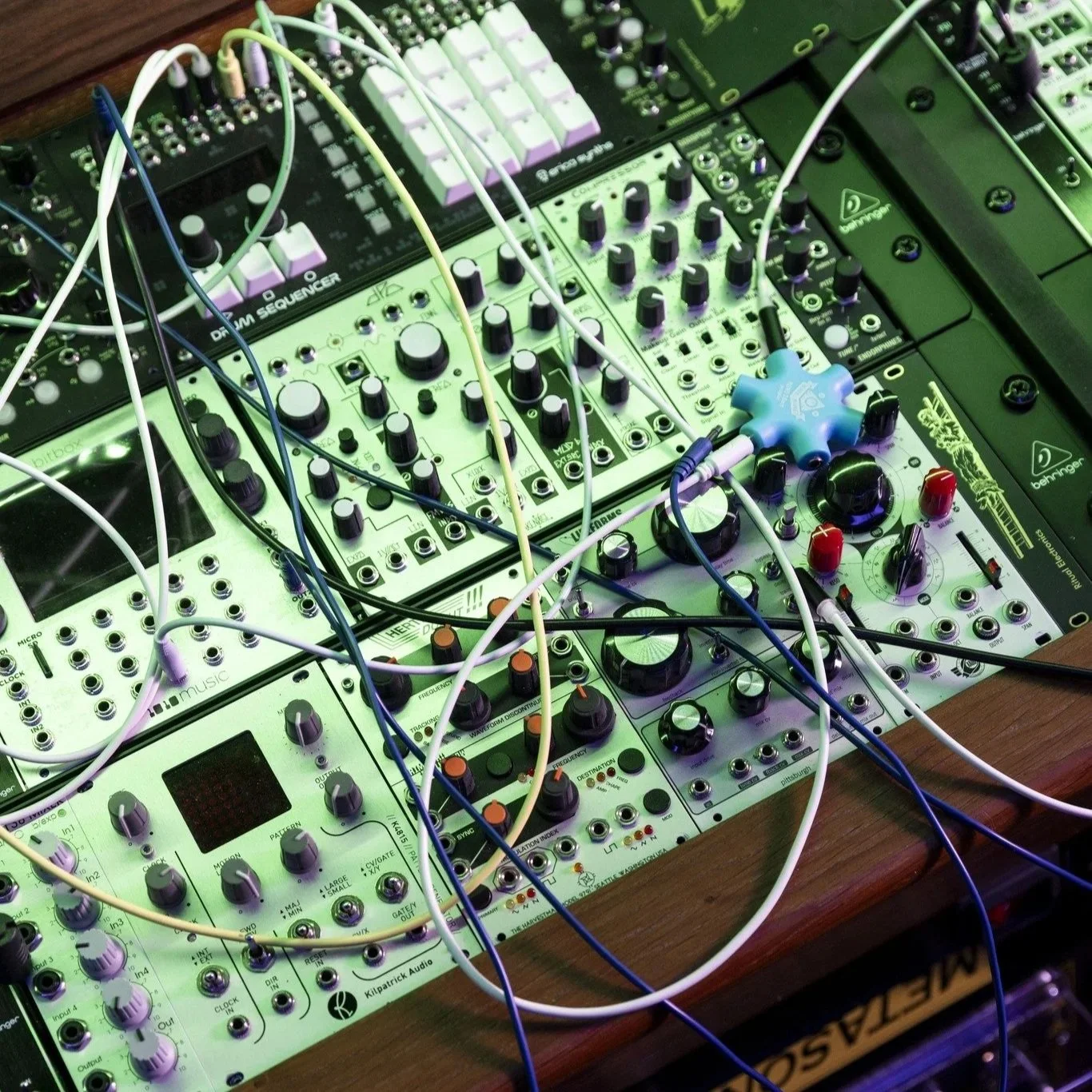
Role: Heavy-duty balanced cables (like XLR and TRS) securely carry audio signals between your interface, microphones, and monitors.
Why it is essential: High-quality balanced cables protect your signal from picking up radio interference or electrical hums, avoiding annoying static noise during a take.
10. Basic studio desk setup
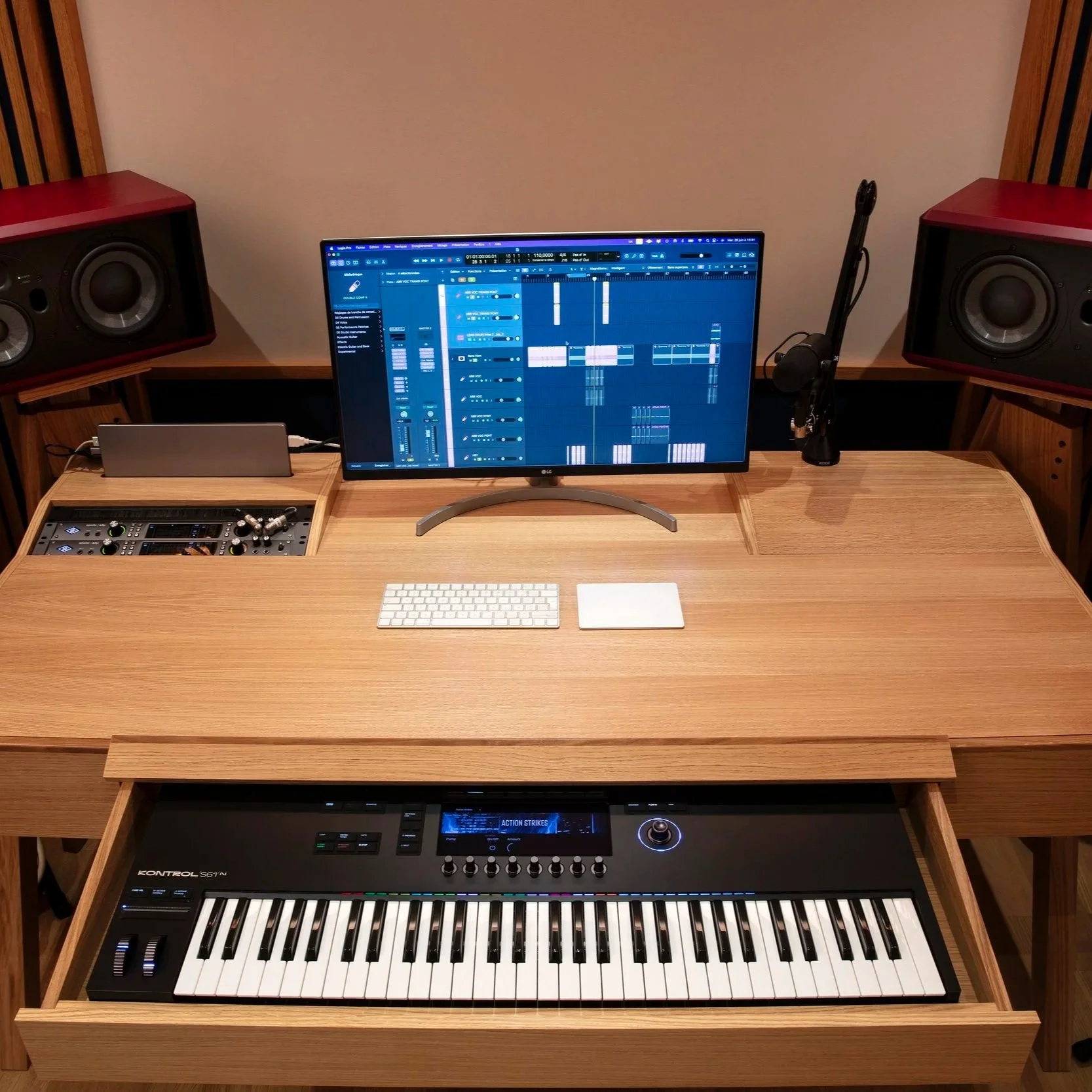
Role: A dedicated studio desk recording workstation keeps your gear secure while aligning monitors at ear level for accurate stereo imaging. Its ergonomic design prevents strain during long sessions and keeps your setup organized
Why it is essential: Good ergonomics prevent neck and back strain during long sessions. It also keeps your equipment organized and properly aligned for accurate stereo imaging.
Beginner vs professional home studio equipment
The transition from a beginner setup to a professional home studio is defined by a dramatic shift in audio clarity, component precision, and acoustic accuracy rather than just the sheer quantity of gear. While entry-level configurations prioritize all-in-one affordability to get you recording quickly, professional systems focus on discrete upgrades like an ergonomic recording studio chair, independent high-end preamps, ultra-precise digital converters, and extensive room treatments that expose every hidden detail in a mix. However, when first starting out, investing in expensive outboard hardware, vintage analog compressors, multi-channel configurations, or specialized master clocks is completely unnecessary, as modern software plugins and standard bundle kits offer more than enough fidelity to produce incredible, radio-ready music while you hone your skills.
How much does home recording studio equipment cost?
| Budget Tier | Estimated Price Range | What It Includes & Best For |
|---|---|---|
| Low Budget | $340 – $570 | Entry-level audio interface, a versatile dynamic or condenser microphone, closed-back tracking headphones, and an entry-level or free DAW. Perfect for beginners, podcasters, and bedroom songwriters looking to get started without a huge investment. |
| Medium Budget | $1,140 – $2,850 | Mid-range multi-input interface, entry-level studio monitors, an advanced vocal microphone, open-back mixing headphones, a dedicated MIDI controller, and basic acoustic treatment panels. Designed for serious producers and independent creators. |
| Pro Budget | $5,700+ | Premium high-end converters, specialized multi-way studio monitors, legendary industry-standard microphones, dedicated outboard gear (preamps and compressors), custom desk layouts, and a comprehensive room acoustic overhaul. Tailored for commercial-grade independent facilities. |
Common mistakes beginners make
Overspending on high-end gear: Buying overly expensive equipment right from the start is a major trap, as a premium microphone won't save a bad performance.
Neglecting room acoustics: Many beginners completely overlook how their room sounds, which undermines the quality of their recordings.
Choosing a bad room: Setting up a workspace in an unsuitable physical environment creates major monitoring challenges, especially if you don't have a dedicated recording studio booth to isolate your vocals.
Hoarding too much equipment: Accumulating too much gear too fast creates unnecessary complexity and distractions, keeping you from mastering your core tools.
Why acoustics matters more than equipment?
Your final sound quality depends directly on the space you record and mix in, not just the price tag of your hardware. The physical environment shapes how sound waves bounce around, meaning that even industry-standard gear will deliver muddy, inaccurate results in an untreated space. When exploring different recording studio ideas, proper acoustic treatment is what truly transforms an ordinary room into a reliable production environment, ensuring that what you hear from your speakers is the absolute truth.
Should you build a custom home studio?
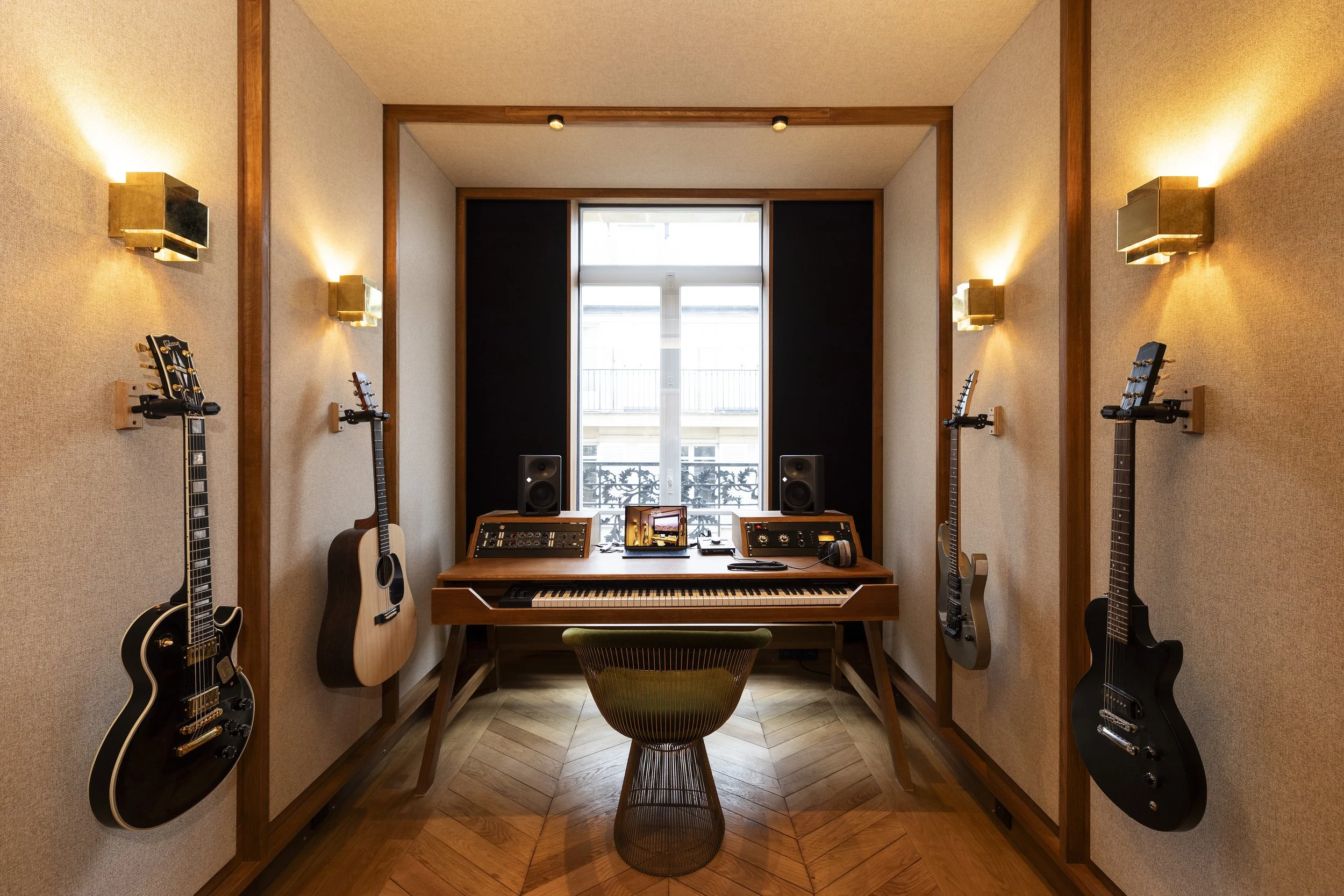
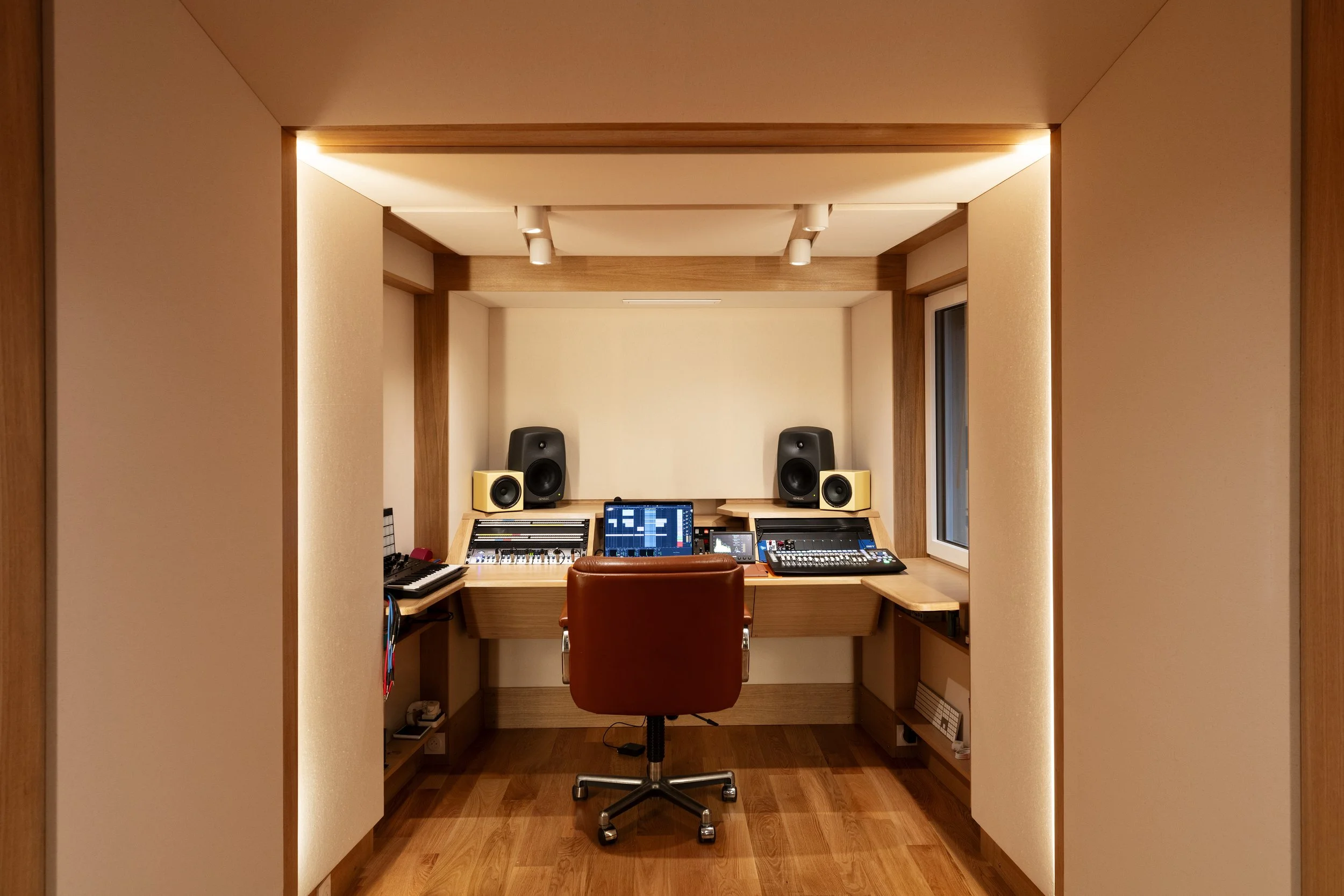
Deciding to build a custom home studio is a massive step forward for any serious creator looking to optimize their daily workflow. Having a tailored space saves an immense amount of time, as you no longer waste hours setting up, tearing down, or troubleshooting makeshift gear before a session. Beyond the pure convenience, a custom design unlocks peak hardware performance by ensuring your equipment and smart recording studio lighting operate in perfect harmony with the room’s layout. Ultimately, this professional environment delivers a polished, commercial-grade end result (rendu pro) that lets your talent shine through without any technical limitations.
Ready to Build your Recording Studio?
Home recording studio equipment: frequently asked questions
-
To understand what equipment do I need for a home recording studio, you should focus on building a reliable recording system from the ground up. At its core, you need a computer running a digital audio workstation (DAW) like Pro Tools, Ableton Live, Logic Pro, or FL Studio to manage your multitrack recording projects. To get sound into your software, a usb audio interface—such as the popular Focusrite Scarlett 2i2—is mandatory to handle the analog to digital conversion. For capturing audio, you will need a versatile studio microphone, a sturdy microphone stand, an XLR cable, and a pop filter to block unwanted plosives. Finally, for accurate monitoring, a pair of closed-back studio headphones and active studio monitors (like a KRK Rokit or Yamaha reference monitor) will complete your basic studio setup.
-
When asking how much does a beginner home studio cost, the answer depends on your performance goals, but entry-level home recording setups are incredibly affordable. Beginners can easily get started with a budget between $340 and $570. This tier usually includes a budget-friendly usb microphone (like a Blue Yeti or Audio Technica model) or a bundle containing a basic recording interface, a vocal mic, and a headphone. If you want a more robust music studio experience, spending a bit more allows you to add an entry-level midi keyboard, basic recording software like GarageBand or Studio One, and small desktop amps without breaking the bank.
-
The cost varies wildly depending on your goals. A beginner setup for music production using an interface like a PreSonus or M-Audio, a USB microphone, and GarageBand or Reaper can cost under $500.
However, a professional recording studio often invests thousands into industry standard tools like Universal Audio Apollo interfaces, Avid Pro Tools HD systems, and high-end microphones from Rode or Audio-Technica. Beyond the gear, you must also budget for soundproofing, bass traps, and acoustical treatment, which are vital for a true control room environment.
-
To determine what is the most important equipment, you must look at the two pieces of recording gear that directly impact your raw sound quality: your audio interface and your studio microphone. The interface houses the critical mic preamp and converter circuitry that prevents latency and audio distortion. Meanwhile, your microphone is the primary tool for capturing the acoustic energy of a vocal recording or a musical instrument. Whether you choose a large-diaphragm cardioid condenser microphone (like a Rode or Neumann for crisp high frequencies) or a rugged dynamic mic (like the industry-standard Shure SM57 or Shure SM58 for loud drums and guitar cabinets), your choice of input hardware defines the baseline fidelity of your entire mix.
-
Yes, you can absolutely build a home studio on a budget by leveraging modern digital audio technology. Instead of investing in expensive outboard gear, external hardware compressors, or a physical mixing console, you can rely entirely on software plug-ins and virtual instruments inside your workstation. Budget-friendly brands like Behringer, PreSonus, M-Audio, and IK Multimedia offer excellent entry-level midi controller devices, usb mics, and interfaces that deliver professional-grade audio recording capabilities for a fraction of the price of classic analogue gear.
-
When considering do I need acoustic treatment for a home studio, the answer is a definitive yes if you want your mixes to translate well outside your room. Without proper acoustical management, your studio monitors will bounce sound off bare walls, creating muddy low frequency build-up and tricky reflections that distort your stereo image. Installing dense bass traps in the corners and absorption panels on first-reflection points minimizes background noise and room vibrations. Proper isolation and treatment ensure that you hear the true output of your sound source, making mixing and mastering much more accurate than relying on a completely untreated control room.