
Recording Studio Booth: Types, Cost and Acoustic Setup
Published on May 18, 2026
Reading time: 8min
By Lucas Medus - Studio & Acoustics Expert at Red House
Sommaire
Discover the power of isolated sound. A recording studio booth is an engineered space built with two main goals: total sound isolation and optimal acoustic treatment. For vocalists, podcasters, and musicians who records at studio, this controlled environment is crucial. It keeps outside noises out while eliminating internal echoes and muddy reflections. The result? Crisp, clear, and professional recordings for voices and instruments alike, laying the perfect foundation for any high-quality audio project.
What is a recording studio booth?
At its core, a recording studio booth is an enclosed, specially constructed space designed to isolate a sound source from the rest of the world. Its primary purpose is twofold: to isolate the voice (or instrument) by blocking outside noise from leaking into the microphone, and to control the internal acoustics by absorbing unwanted echoes and room reflections. This ensures the captured audio is as clean and "dry" as possible.
While people often use different terms interchangeably, there are subtle differences between them:
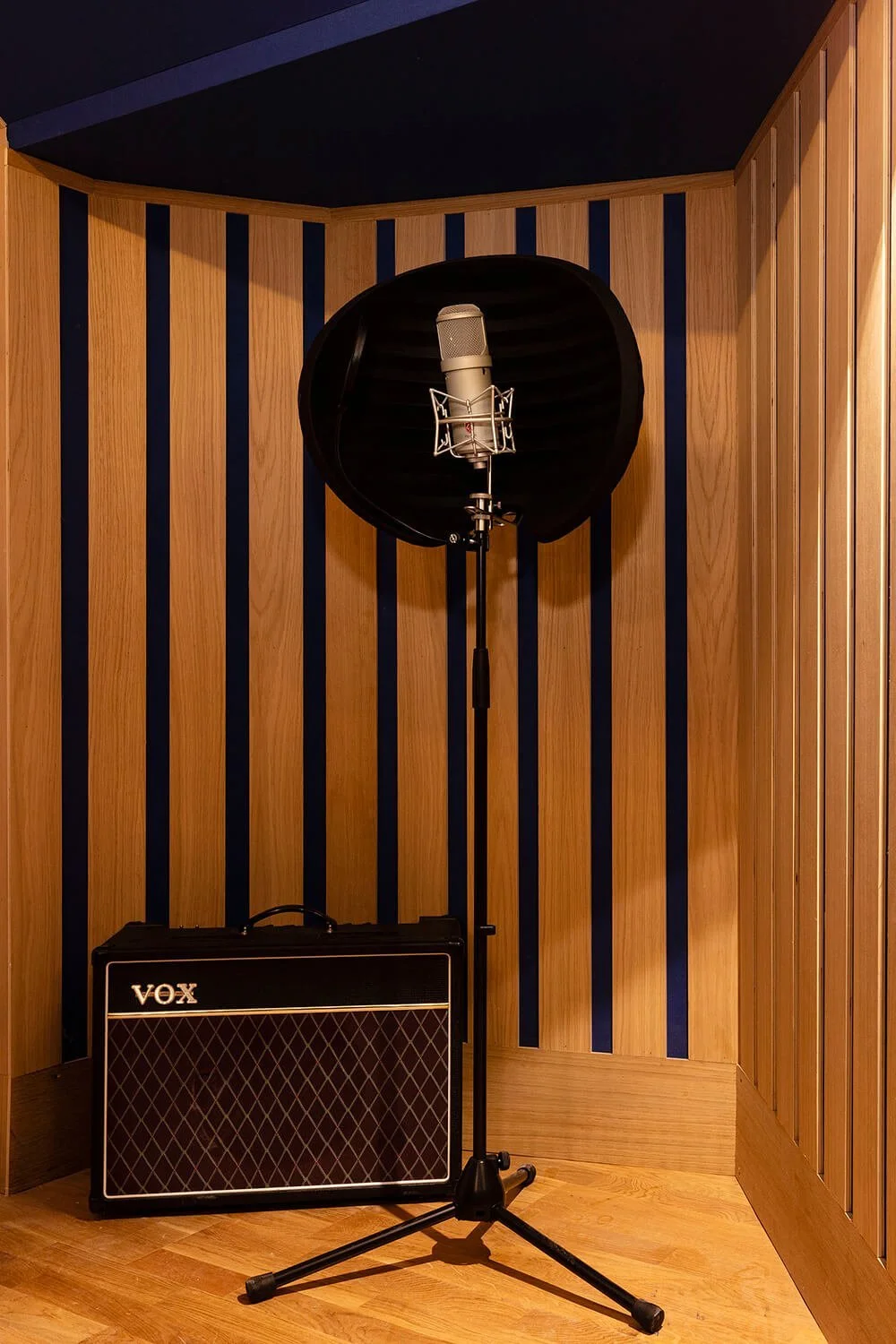
Vocal Booth
Specifically designed and optimized for human speech and singing. These are typically smaller spaces heavily treated with acoustic foam or panels to absorb high and mid-range frequencies, ensuring an intimate, crisp vocal track without any room flutter.
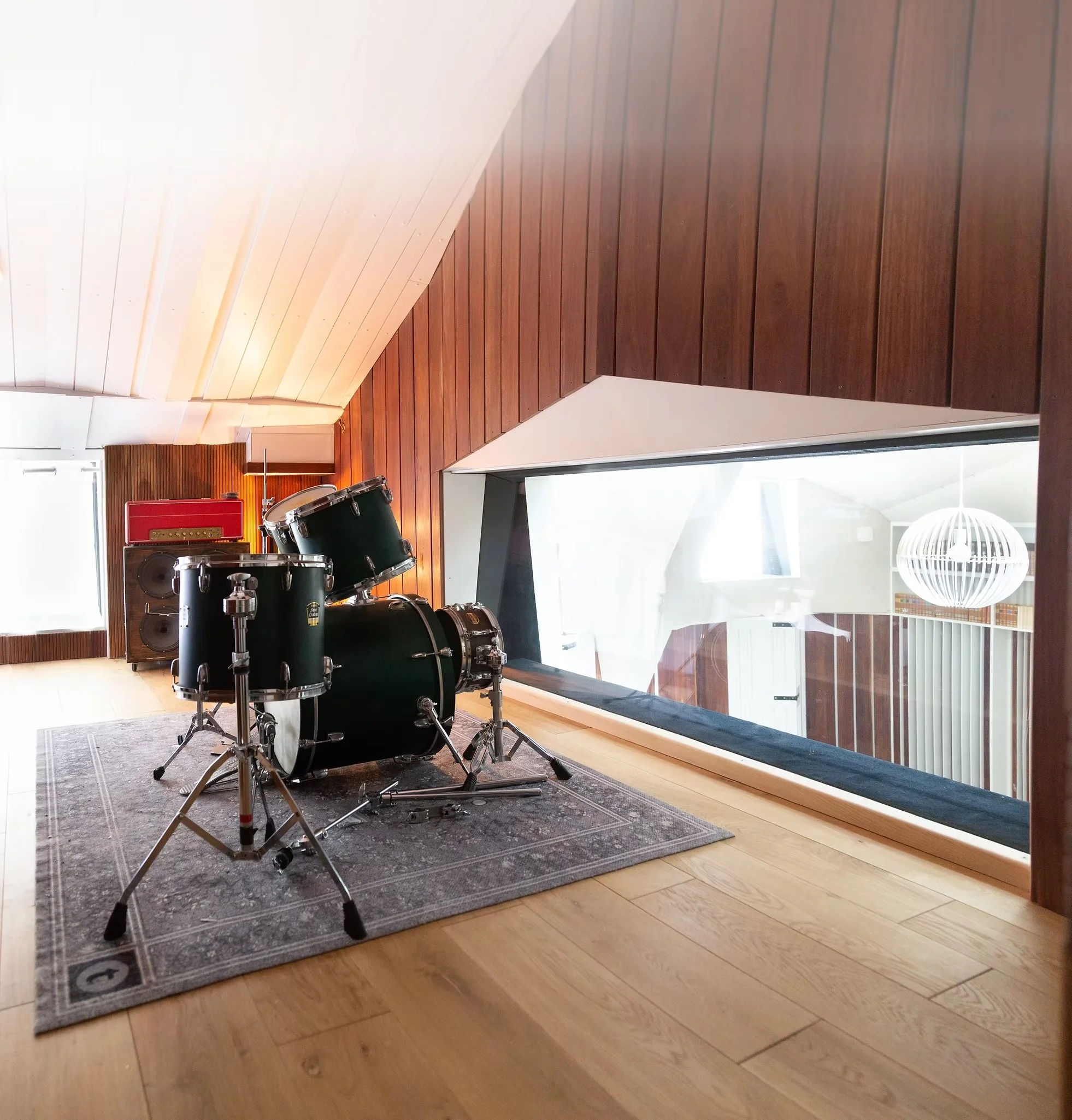
Isolation Booth
A broader term used for a space meant to physically and acoustically separate a sound source from other loud instruments. For example, in a live band recording, a drum kit or a loud guitar amplifier is placed in an iso booth to prevent its sound from bleeding into the other musicians' microphones.
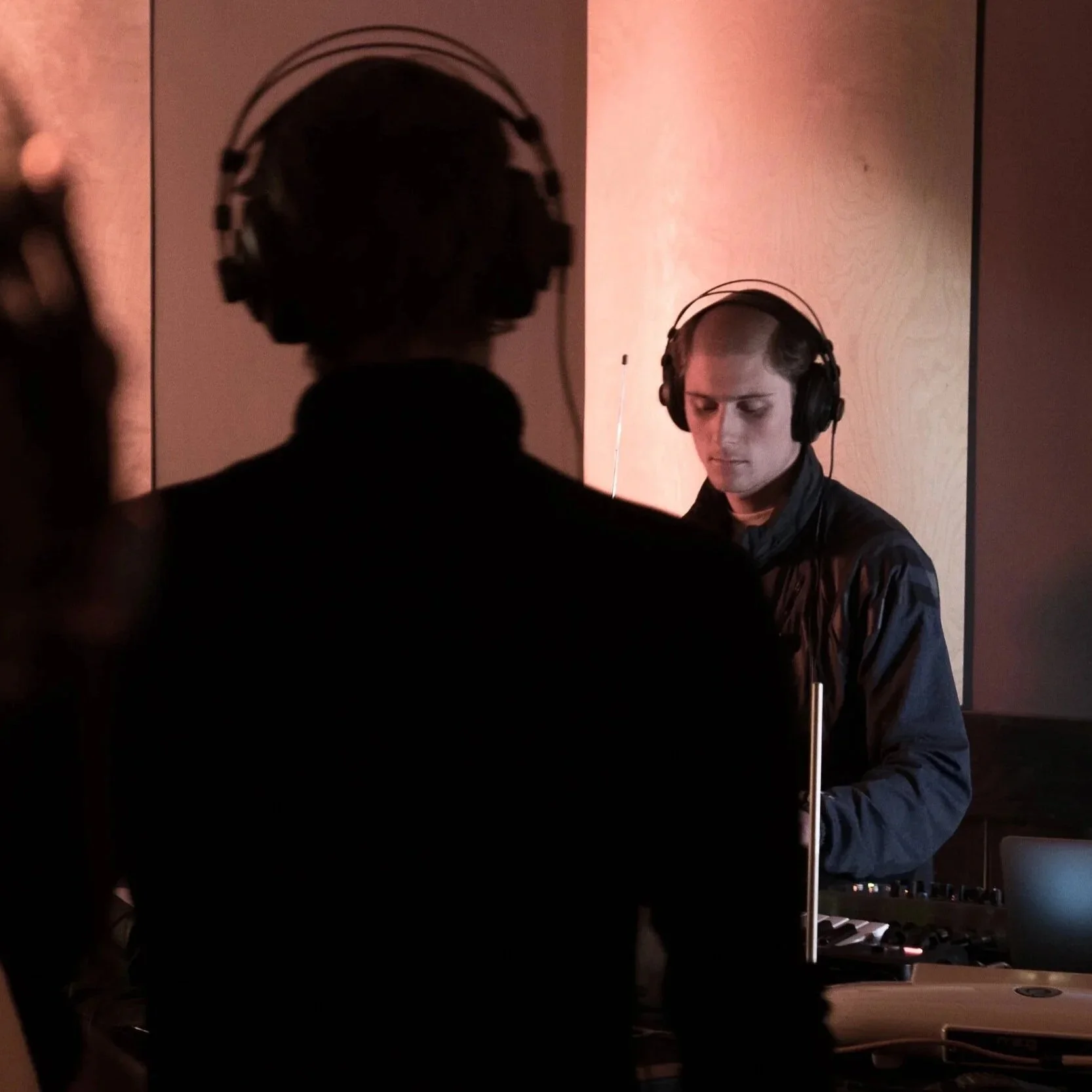
Recording Booth
A general, catch-all term for any dedicated, enclosed space inside a studio used to track audio. It can refer to a vocal booth, a voiceover pod, or an instrument cubicle depending on the studio's layout.
Why use a recording booth?
| Key Benefit | What It Does | Best Used For... |
|---|---|---|
| Sound Isolation | Blocks out external noises (traffic, AC, PC fans). | Voice Over & Podcasting (ensures absolute silence and zero background distractions). |
| Reduced Reverb | Absorbs room reflections and eliminates muddy echoes. | Singing & Vocals (captures a clean, intimate, and dry vocal track). |
| Controlled Environment | Provides predictable, consistent acoustics at any time of day. | Multi-session Projects (makes mixing and matching different takes seamless). |
| Superior Audio Quality | Delivers a pristine sound signal that is easy to mix. | Solo Instruments (keeps the natural tone of acoustic guitars, brass, or violins pure). |
To get the most out of your booth setup, matching it with the right gear is essential. While a controlled acoustic space is critical, the true quality of your signal depends on your signal chain, including your choice of mics, preamps, and interfaces. For a comprehensive guide on choosing the best hardware for your setup, explore our detailed breakdown of essential recording studio equipment.
What are the different types of recording studio booths?
Not all recording booths are created equal. Depending on your budget, available space, and the specific home recording studio equipment you need to house, you will generally choose between three main categories. Each comes with its own set of advantages, structural differences, and required level of isolation.
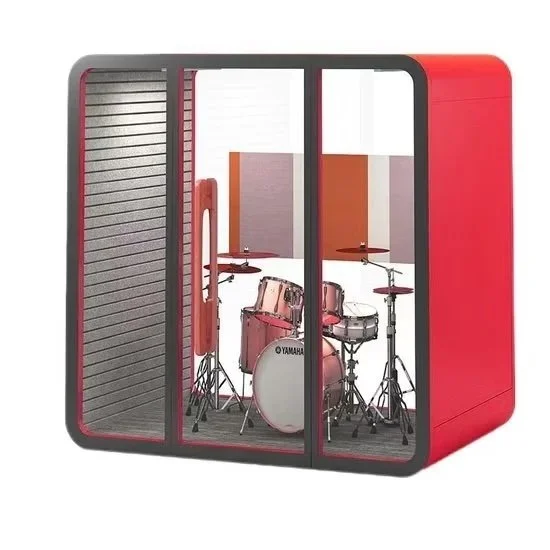
Prefabricated vocal booths
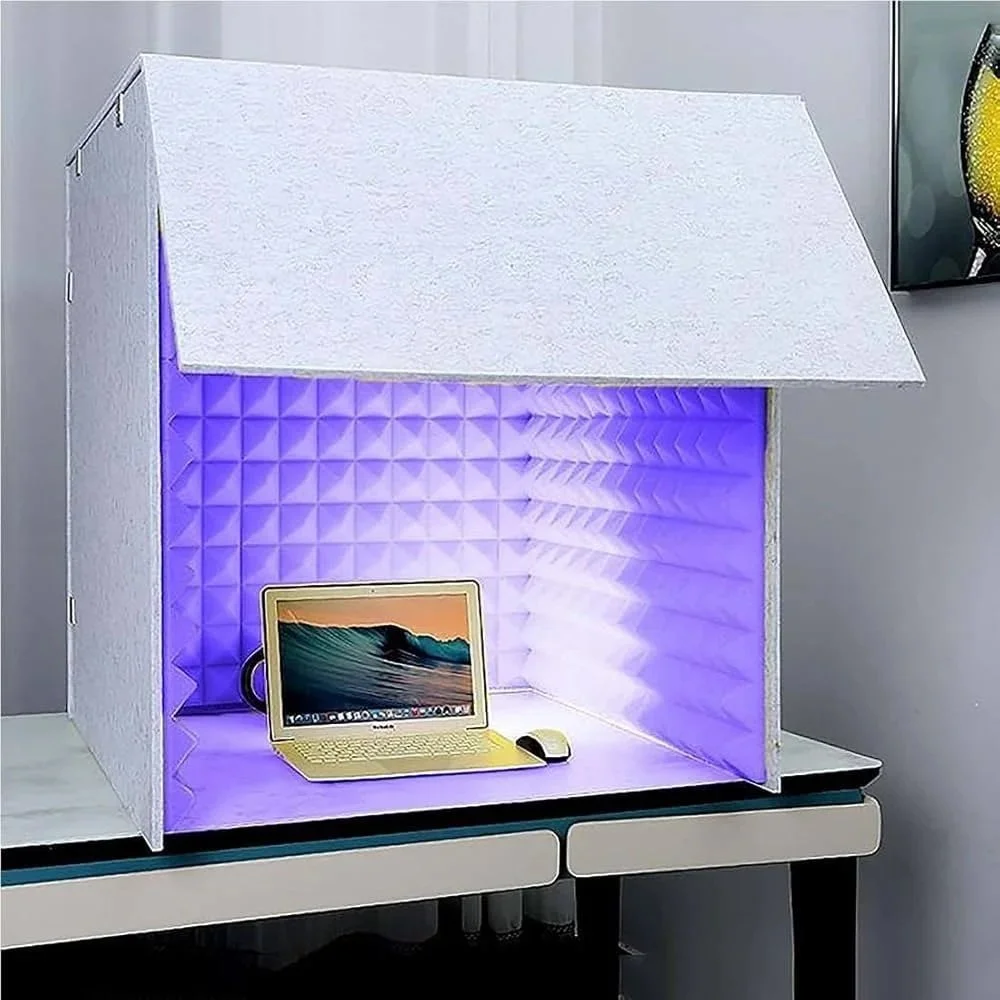
Prefabricated booths (often called "modular booths" or "sound isolation pods") are ready-made, standalone structures engineered by professional acoustic brands (such as WhisperRoom or StudioBlocks).
The Setup: They are delivered in modular panels that you assemble yourself inside an existing room. They require no permanent construction or modification to your walls.
The Difference: These booths offer highly predictable, laboratory-tested sound isolation. The biggest advantage is their portability: if you move to a new house or studio space, you can simply disassemble the booth and take it with you. However, they can feel a bit clinical and represent a significant upfront financial investment.
DIY recording booths
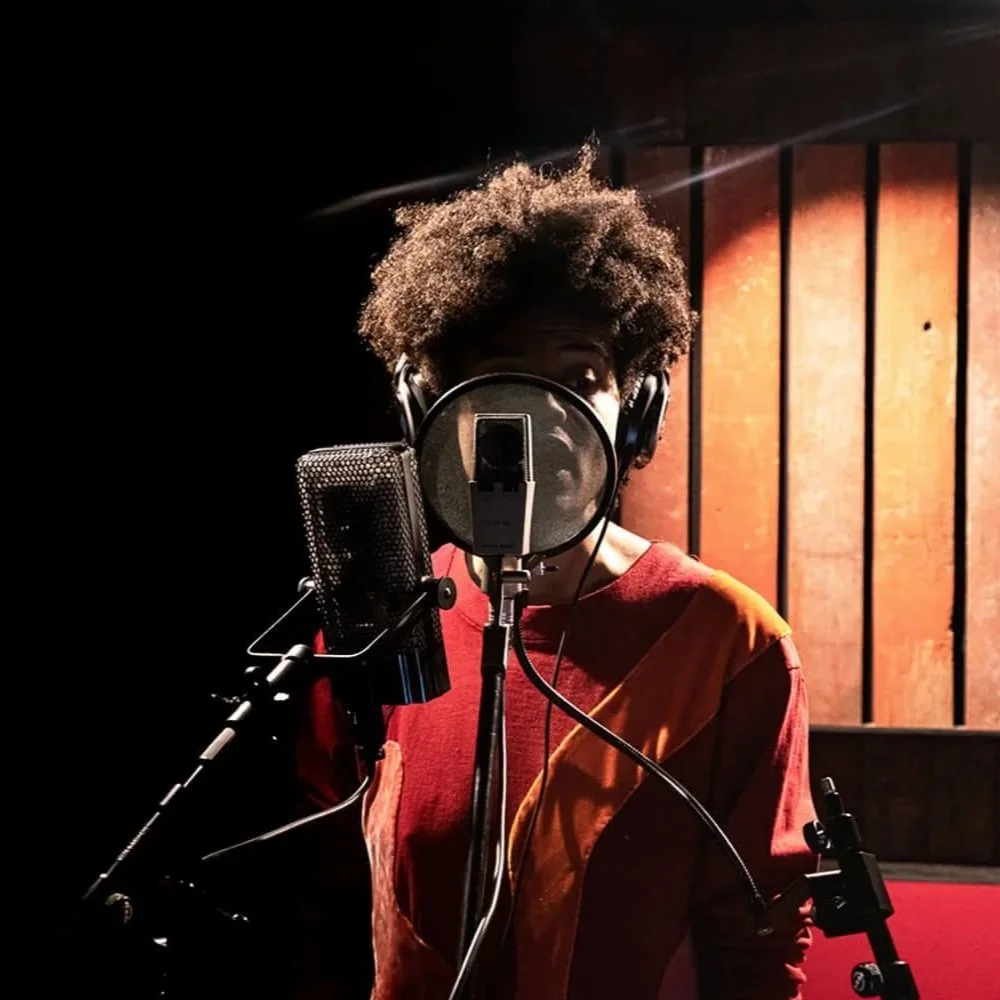
As the name suggests, DIY (Do-It-Yourself) booths are custom-built by home studio owners using budget-friendly materials and creativity.
The Setup: They can range from a converted walk-in closet lined with heavy blankets and acoustic panels, to a small wooden frame built from scratch using rockwool insulation and drywall.
The Difference: This is by far the most cost-effective option. It allows creators to build a functional recording space tailored to their exact room dimensions without breaking the bank. While they rarely achieve the perfect soundproofing of a commercial booth, a well-optimized DIY booth can easily provide enough acoustic treatment to deliver excellent, radio-ready vocal tracks.
Built-in studio vocal booths
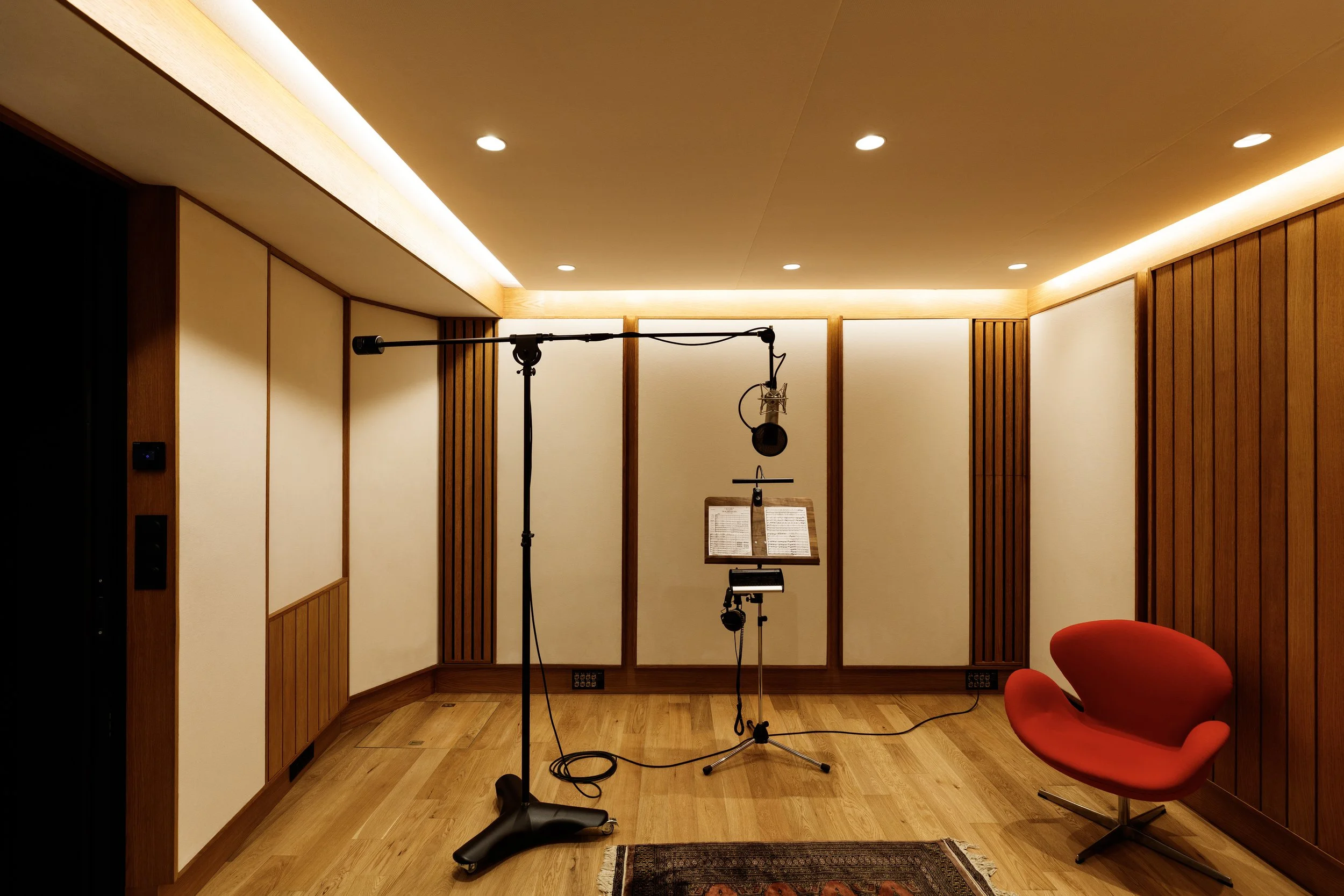
Built-in booths are professional, permanent structures integrated directly into the architectural layout of a commercial recording studio.
The Setup: These are designed by acoustic architects and built from the ground up using heavy construction techniques. They often utilize advanced methods like "room-within-a-room" decoupling, floating floors, double-pane acoustic glass windows, and specialized heavy-duty doors.
The Difference: This type represents the pinnacle of performance. Built-in booths offer flawless sound isolation and are meticulously tuned to have a perfectly balanced frequency response. They are aesthetically beautiful, spacious, and seamlessly connected to the control room's audio routing. The main drawback is that they are highly expensive and completely permanent, they cannot be moved.
How much does a recording studio booth cost?
The cost of a recording studio booth varies drastically depending on isolation, size, and craftsmanship. Here is what you can expect:
DIY Booth ($200 – $1,500): The most budget-friendly path. Converting a closet with acoustic blankets costs around $200, while building a custom wooden frame with rockwool and drywall ranges from $1,000 to $1,500.
Prefab Booth ($3,000 – $12,000+): Ready-made modular isolation pods. Entry-level vocal booths start at $3,000, while larger structures with double-wall insulation and active ventilation can easily clear $12,000.
Custom Booth ($10,000 – $50,000+): Premium, permanent structures designed by acoustic architects. Built from scratch with architectural decoupling, heavy soundproofing, and custom aesthetics.
Beyond the main structure, remember to budget for these essential components:
Isolation (+$500 to $5,000+): Heavy materials like mass-loaded vinyl (MLV) or double drywall layers needed to block external noise and prevent sound leakage.
Ventilation (+$300 to $1,500): Airtight booths overheat quickly. A specialized, ultra-quiet baffled ventilation system or silencer kit is mandatory to record without mic noise.
Acoustic Treatment (+$200 to $1,200): High-density fiberglass panels, foam, and bass traps required to eliminate internal room reflections and avoid a boxy sound.
How to choose the right recording booth?
| Criterion | Key Considerations |
|---|---|
| Size | Ensure the booth comfortably fits the performer and their gear. Vocals require minimal space, but acoustic guitars or brass instruments need enough room for proper microphone placement without hitting the walls. |
| Isolation | Assess your environment. If you record in a noisy city center, you will need a heavy-duty, double-walled structure. For a quiet suburban basement, lighter soundproofing may suffice. |
| Acoustic Treatment | Look at the internal materials. A good booth shouldn't just be quiet; it must sound natural. Avoid a "boxy" sound by ensuring adequate high-density absorption panels are included. |
| Ventilation | Never overlook airflow. Since booths are airtight, a silent, baffled ventilation system is mandatory for long recording sessions to keep the space cool and oxygenated without adding mic noise. |
| Project Type | Tailor the booth to your workflow. Voice actors and podcasters prioritize absolute silence and voice intimacy, while musicians need a more versatile acoustic response for instruments. |
Recording Studio Booth vs. Recording Studio: What’s the Difference?
While the terms are often confused, a recording studio booth and a full recording studio serve entirely different scales of audio production. A recording studio booth is simply a single, compact, and airtight enclosure engineered specifically to isolate one sound source and capture a pristine, "dry" signal without any background noise. In contrast, a full recording studio is an entire multi-room facility that includes dedicated Live Rooms for acoustic instruments and Control Rooms outfitted with a proper recording studio chair tailored for critical listening and mixing. Operating with a booth alone comes with clear limitations: it is designed strictly for capturing sound, not monitoring or mixing it. Because low-frequency bass waves require physical distance to develop properly, a small booth cannot provide the accurate acoustic response needed to balance a track. Additionally, a standalone booth restricts your workflow to one or two performers at most, making it impossible to record multi-instrumental acts or a full drum kit simultaneously.
When should you build a full recording studio?
While a booth is perfect for solo tracking, expanding your business or artistic scope often requires upgrading to a multi-room facility. A full studio configuration becomes essential in several key scenarios:
Recording Full Bands: Capturing a live band or drum kit requires a spacious Live Room where multiple musicians can perform together without microphonic bleed.
Commercial Credibility: Transitioning into a commercial business means hosting labels and premium clients. A professionally designed facility delivers the comfort and prestige they expect.
Advanced Studio Workflow: True production demands an acoustically tuned Control Room separate from the tracking area. This guarantees that your mixes translate flawlessly to headphones, car speakers, and cinema sound systems.
Building a multi-room facility from scratch is a massive undertaking, which is why some producers prefer to look for turnkey properties with pre-built, decoupled rooms. If you want to bypass construction, you can browse active commercial listings to find a production-ready recording studio for sale that fits your operational needs.
Whether you choose to build new or renovate an existing space, transitioning to a high-performance facility requires expert architectural planning. This is where Red House steps in. From complex "room-within-a-room" decoupling to custom studio ergonomics and live room tuning, Red House designs bespoke acoustic spaces where technical perfection meets creative freedom.
Designing a professional recording studio
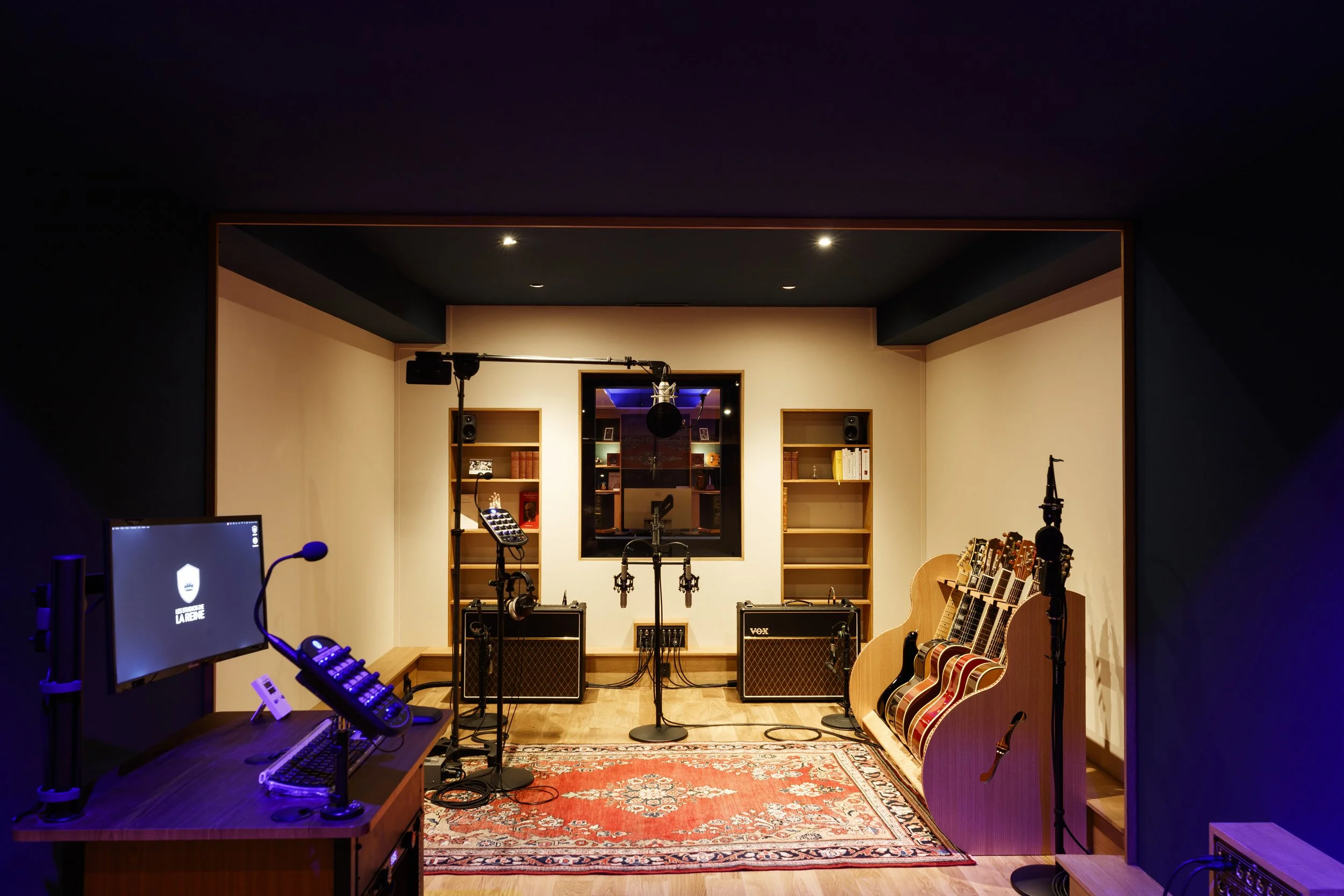
Engineering a professional recording studio goes far beyond simply placing acoustic panels on a wall; it requires expert acoustic consulting to simultaneously master internal acoustics, physical isolation, spatial ergonomics, and seamless hardware integration.
To build a world-class production space around your desk studio recording setup, the room's geometry and treatment must be precisely calculated to achieve a balanced frequency response, eliminating standing waves or flutter echoes. Additionally, high-performance sound isolation, often utilizing advanced "room-within-a-room" decoupling, is mandatory to block external noise and prevent leakage. Beyond the physics of sound, the facility must feature meticulous ergonomics, ensuring optimal sightlines and silent ventilation to support long creative sessions.
Finally, the physical architecture must perfectly accommodate comprehensive hardware integration, mapping out hidden cable trays, custom technical furniture, professional studio lighting setups, and patchbays to ensure the studio's technical backbone is as clean and reliable as the audio it produces.
Are you thinking about setting up your own recording studio?
Recording studio booth: frequently asked questions
-
Whether you really need a vocal booth for recording depends entirely on your environment and your production goals. If you are tracking in a standard bedroom, your condenser microphone will easily capture background noise, traffic noise, and room noise bouncing off reflective walls and ceilings. A dedicated vocal booth or sound booth solves this by providing immediate noise control and sound isolation. It encloses the microphone stand and performer within a treated enclosure to absorb sound, eliminate echo, and reduce reverberation. While you can capture basic demos in an open space, a booth is an industry standard necessity if you want to achieve professional, radio-ready voice recording or studio recording without unwanted room coloration.Additionally, you must have studio headphones or studio monitors (such as KRK Rokit or Yamaha speakers) for accurate playback. Don’t forget the basics: XLR cables, a mic stand, and a pop filter to ensure a clean recording sound.
-
Yes, you can absolutely build a functional recording booth at home, and it is a popular project for many home recording studio owners. To set up a successful DIY recording space, you need to understand the difference between sound blocking and internal treatment. For soundproofing, you must add mass and decoupling using materials like heavy drywall, plywood, or mass loaded vinyl to stop sound waves and prevent leakage. For the interior acoustic treatment, you should avoid cheap, low-density foams and instead use high-density fiberglass, mineral wool, or specialized acoustic panels and bass traps. These porous sound absorbing materials are essential to absorb low and high frequency reflections, ensuring your home recording doesn't sound muddy or boxy.
-
When determining how big a vocal booth should be, the main goal is to balance physical comfort with room acoustics. At a minimum, a single-person recording room or soundproof pod should be around 4x4 feet (1.2x1.2 meters). This provides just enough space for a microphone stand, a pop filter, and the talent wearing headphones. However, if you plan to record an artist playing an instrumental track (like an acoustic guitar) or if you need to fit local outboard gear and an audio interface, a larger 6x6 or 6x8 feet space is highly recommended. Keep in mind that a very small room can suffer from intense low frequency build-up and a cramped, boxy acoustic resonance, which requires aggressive acoustic insulation and thicker foam panels to correct.
-
Portable vocal booths such as reflection filters that attach directly to a mic stand or small tabletop shields, are highly effective at treating a specific problem, but they are not a complete soundproof solution. These portable tools act as a small baffle or noise barrier directly behind and around the microphone, which helps to absorb immediate voice reflections and prevent sound from bouncing off nearby surfaces during a recording session. This significantly improves sound quality for voiceover, podcasting, and home recording. However, because they are open to the room, they offer zero sound isolation against airborne noise pollution, barking dogs, or low-end vibrations. They are an excellent budget-friendly dampening tool, but they cannot replace a fully enclosed, soundproofed room.
-
No, a standalone recording booth cannot fully replace a comprehensive, professional music recording studio. A booth is a specialized tool designed for one specific task: isolating a microphone to capture a clean, dry audio recording or multitrack layer without interference. It is an extension of the tracking workflow. A full recording studio, on the other hand, includes a dedicated control room equipped with professional studio monitors, a mixing console, high-end preamp units, and advanced hardware compressors. Accurate mixing and mastering require a large, acoustically tuned space where sound waves can travel naturally. While you can run your digital audio workstation (Pro Tools, Logic Pro, Ableton Live, or Cubase) from a laptop next to a booth, a complete studio environment remains crucial for critical playback, group production, and high-end audio engineering.
Planning to build a recording studio or vocal booth?