
Published on July 20, 2026
Reading time: 6 min
By Lucas Medus - Studio & Acoustics Expert at Red House
Sommaire
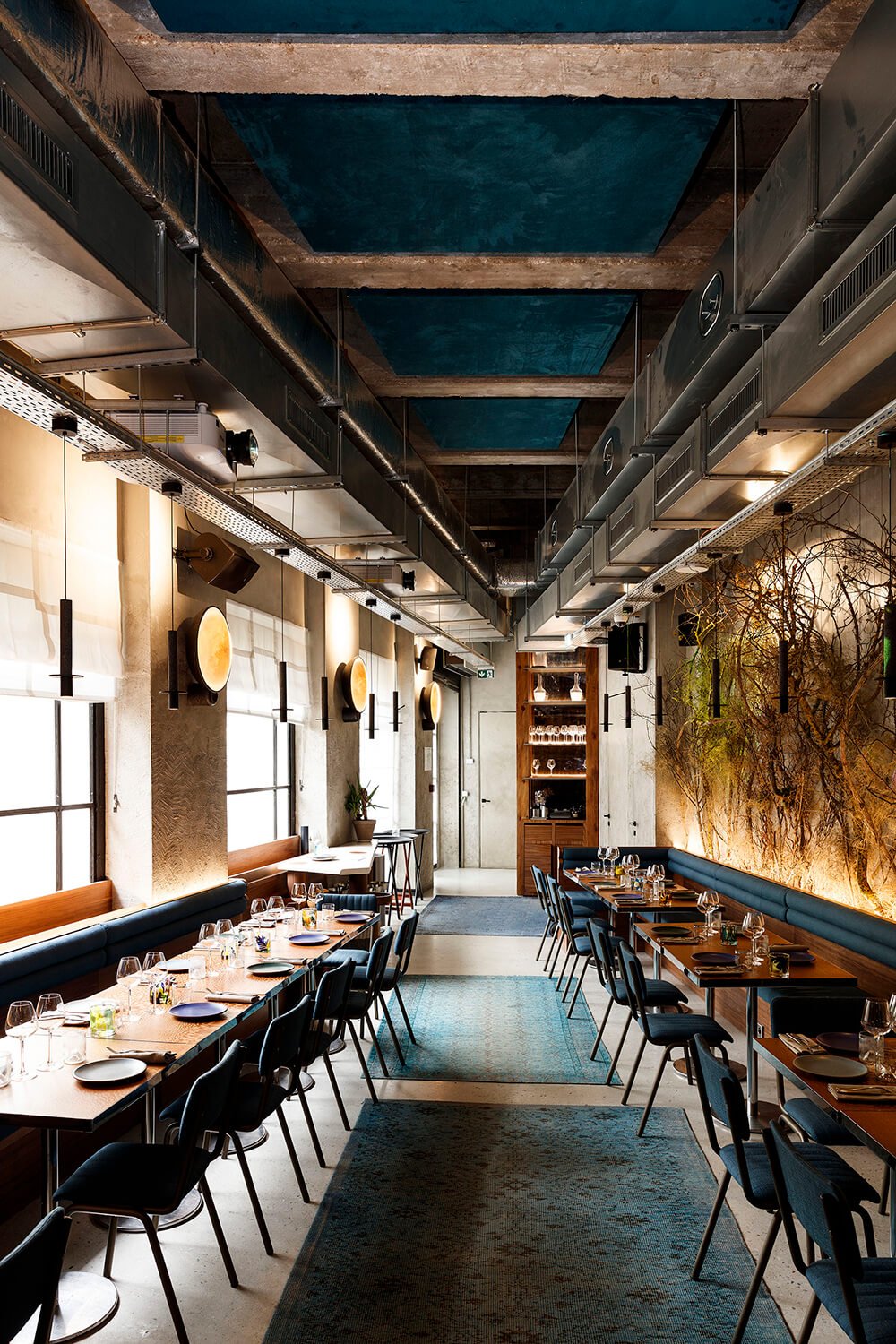
Noise has become a major issue in modern restaurants, where hard design surfaces and open layouts often turn lively chatter into an overwhelming din. This poor acoustic environment has a direct, damaging impact on the customer experience, reducing table turnover and tarnishing a venue's overall brand image. While a wide variety of soundproofing and dampening solutions exist on the market today, they are frequently misapplied, failing to target the actual structural and atmospheric needs of the space. Understanding how to correctly implement these acoustic treatments is the key to restoring comfort and elevating your dining atmosphere.
Need to improve the acoustics of your restaurant?
Why poor acoustics are a major issue in restaurants?
When a dining room lacks proper sound management, the resulting noise buildup turns what should be an enjoyable evening into a frustrating battle against echoes. Guests quickly find it incredibly difficult to converse, forcing them to raise their voices and further escalating the ambient din. This constant strain leads to severe ear fatigue, which degrades the entire customer experience and leaves patrons eager to leave rather than order dessert. Over time, this hostile acoustic environment takes a heavy toll on business performance, directly translating into negative online reviews, ruined brand reputation, and a sharp decline in customer loyalty. Furthermore, the problem extends far beyond the patrons; enduring shifts of high-decibel clutter creates immense daily stress for the kitchen and floor staff, driving up workplace exhaustion and accelerating employee turnover.
What causes excessive noise in restaurants?
To fix a noisy dining room, you must first understand the underlying physical and environmental factors that drive the volume up. Excessive sound is rarely caused by a single source, but rather by how architectural choices interact with a busy service.
The primary factors contributing to a chaotic acoustic environment include:
Reverberation (The Real Issue): The core problem is not the initial sound itself, but how sound waves continuously bounce around the room, creating a persistent echo that amplifies every conversation.
Reflective Materials: Modern minimalist designs heavily rely on hard surfaces like concrete floors, glass windows, and unadorned walls, all of which reflect sound instead of absorbing it.
Guest Density: A packed dining room naturally generates more noise, triggering a domino effect where tables must speak louder and louder just to hear each other over the crowd.
Ceiling Height: While high ceilings offer an impressive aesthetic, they create massive open volumes that trap sound waves and prolong reverberation times.
Furniture Layout: Tightly packed open seating arrangements allow sound to travel freely across the room without any physical barriers or dividers to break up the sound paths.
Technical Noise: Background sounds coming from open kitchens, clattering dishes, and loud heating, ventilation, or air conditioning (HVAC) systems constantly add to the baseline noise level.
How to diagnose acoustic problems in a restaurant?
Before applying any treatments, you must accurately map out the sonic dynamics of your space by identifying specific noisy zones where sound builds up, such as alcoves, corners, or tables adjacent to open kitchens. A crucial part of this process involves understanding the room's reverberation time, which measures how long sound waves bounce off hard surfaces before decaying. It is equally important to closely observe critical moments during peak service hours, tracking how the ambient noise escalates as the dining room fills to maximum capacity. Because guesswork often leads to ineffective and costly mistakes, securing a professional acoustic diagnosis is the most vital step, providing precise data and tailored technical insights needed to implement the perfect soundproofing strategy.
The most effective ways to improve restaurant acoustics?
To successfully lower ambient noise and restore a comfortable dining experience, the primary focus of any intervention must be to drastically reduce reverberation throughout the space. Achieving this requires a multi-layered approach, where treating the ceilings stands as your absolute top priority because they provide the largest unobstructed surface area to trap rising sound waves. In addition to overhead treatments, strategically treating the walls with acoustic panels prevents sound from bouncing horizontally across the room. Venues can further maximize sound dampening by adding functional, sound-absorbing elements directly into the decor, such as heavy drapery, upholstered furniture, and fabric dividers. Finally, optimizing the layout of the dining room by increasing table spacing helps naturally break up sound paths. Interestingly, many of these high-performance architectural fabrics and panels are incredibly versatile, meaning the exact same engineering principles used for dining areas can be seamlessly applied to corporate spaces through dedicated office acoustic solutions to enhance workplace productivity and privacy.
Which acoustic solutions work best in restaurants?

Acoustic Wall Panels
Best used when you have large, bare walls creating horizontal echoes between facing tables, allowing you to blend sound absorption seamlessly with your restaurant's wall decor.

Acoustic Ceilings
Ideal during a complete renovation or initial build, providing a permanent, high-coverage solution that dampens rising sound waves without altering the layout.
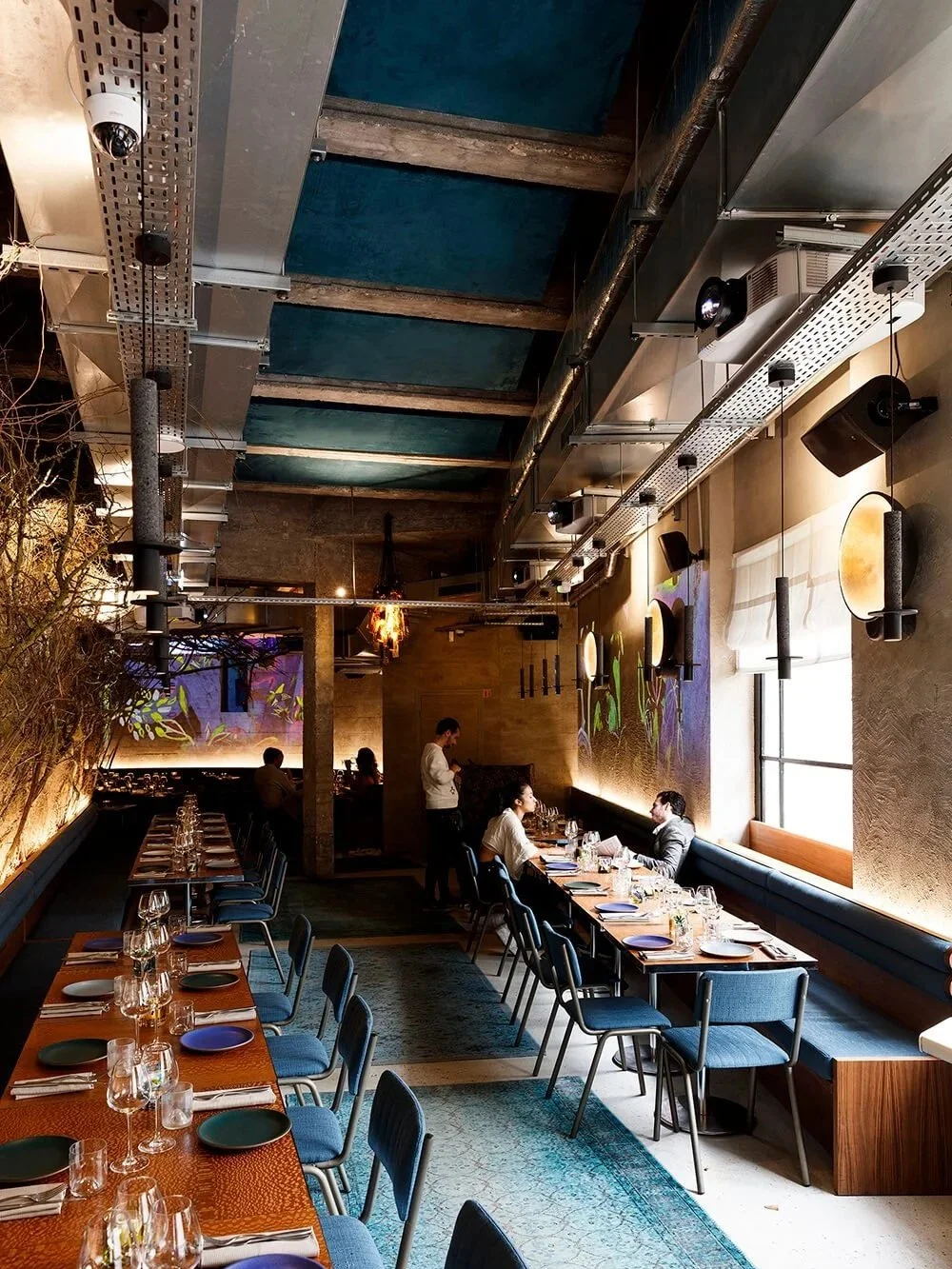
Hanging Baffles
Perfect for high or industrial ceilings where traditional ceilings aren't feasible, trapping noise effectively while adding a modern architectural feature.
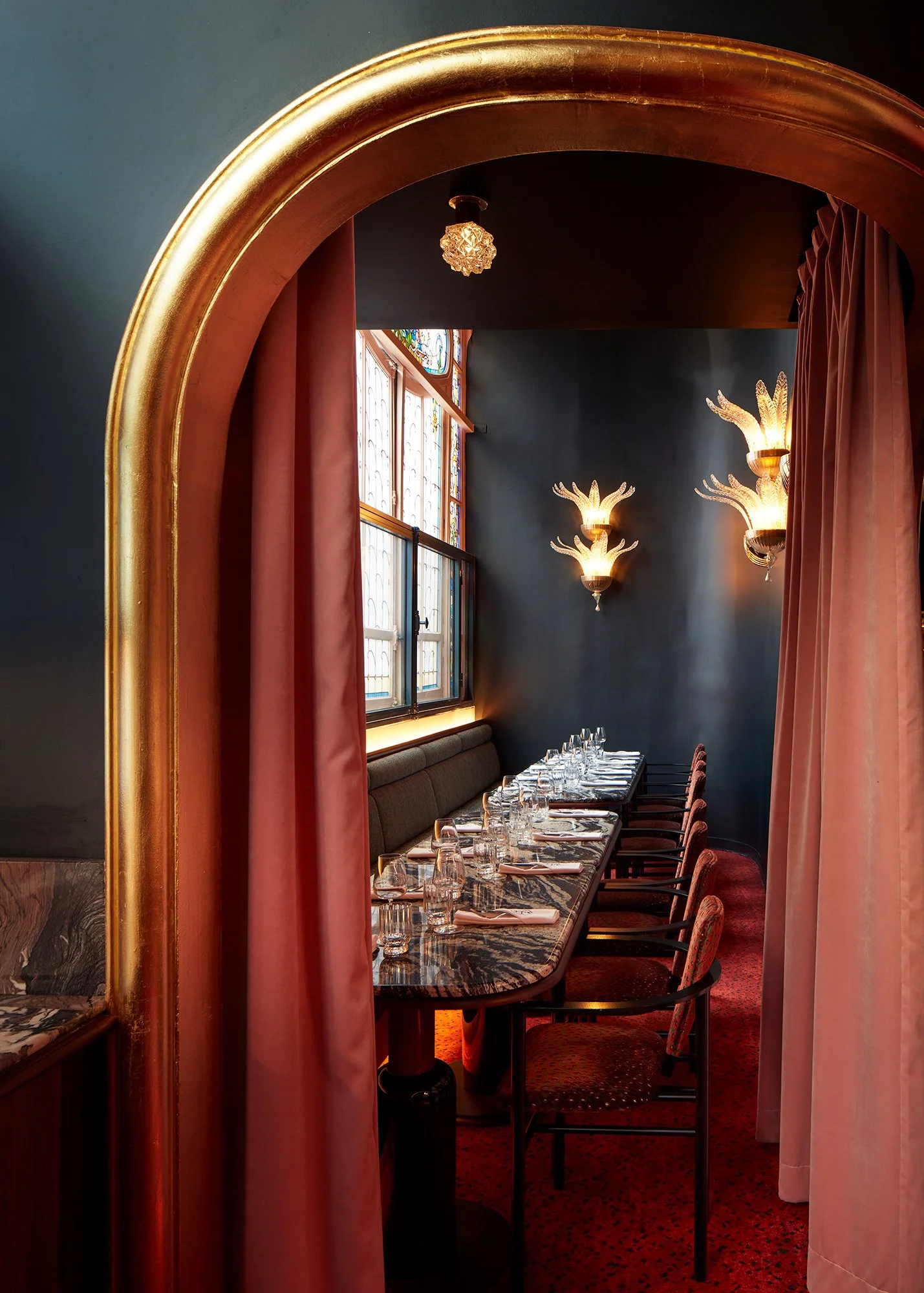
Acoustic Curtains and Textiles
The easiest choice for spaces with large glass windows or open entryways, allowing you to block external noise and soften hard surfaces on demand.
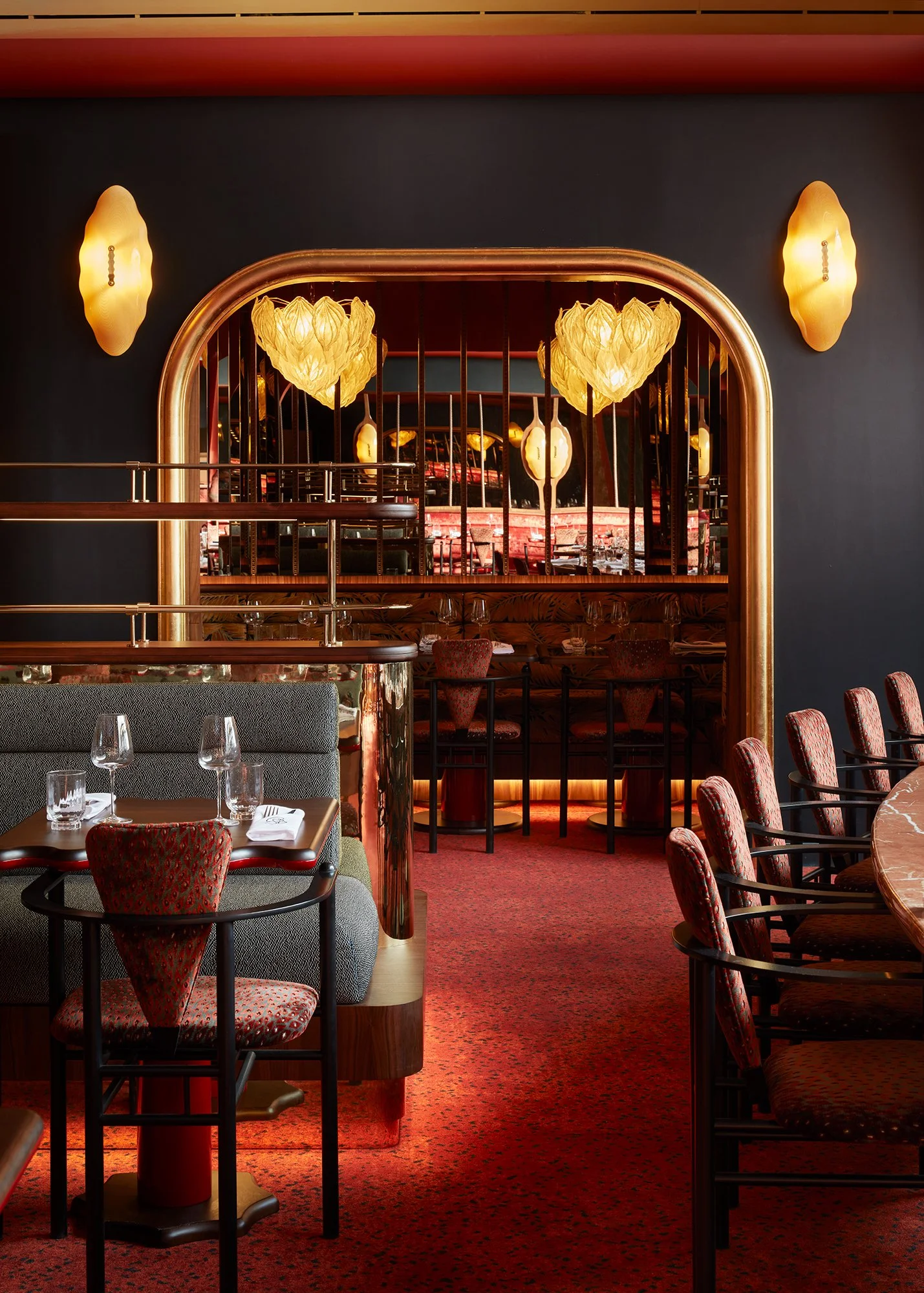
Acoustic Dividers and Partitions
Best utilized in wide, open-plan dining rooms to break up sound travel between busy seating zones and create intimate, private dining alcoves.
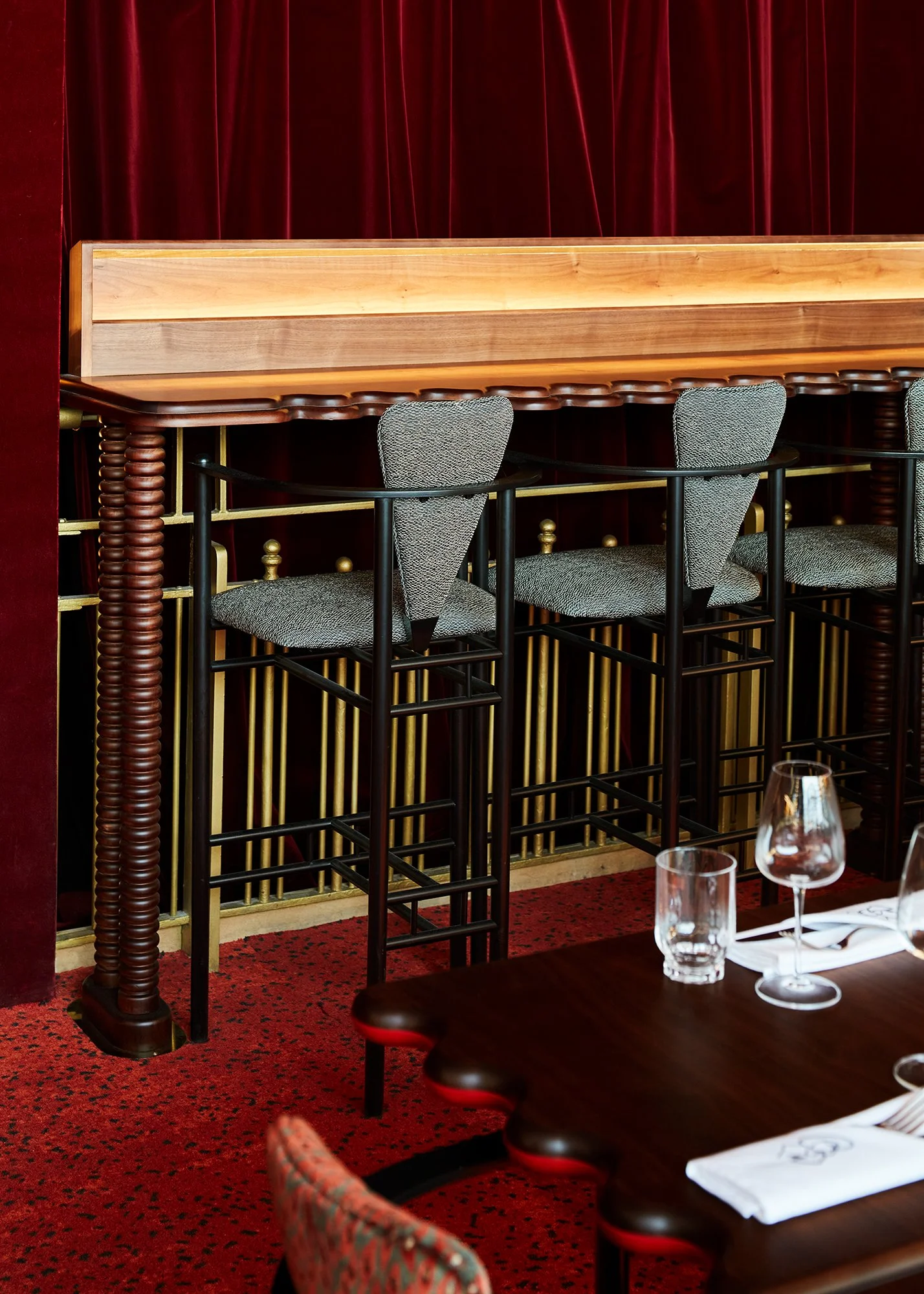
Acoustic Furniture
Ideal for fast-paced or minimalist bistros looking to subtly increase sound absorption through everyday functional items like upholstered booths, dense chairs, and fabric-lined tables.
How to improve acoustics without compromising design?
Achieving a quiet dining room does not mean turning your restaurant into a sterile studio, as modern soundproofing relies heavily on invisible integration. True acoustic design seamlessly blends engineered performance with your visual identity, utilizing highly aesthetic materials like custom fabric wall coverings, textured plaster, and plasterboard that perfectly mimic traditional building surfaces. By matching these premium treatments to your existing palette, you create a beautiful, cohesive atmosphere that delivers a deeply immersive dining experience where guests can enjoy top-tier sonic comfort without ever noticing the technical panels hidden in plain sight.
When should you hire an acoustic consultant?
Partnering with an expert engineer is crucial at specific stages of a venue's lifecycle, beginning ideally at the launch of any new project to integrate proper sound structures into the architectural blue prints before construction begins. It is equally vital during a major renovation, ensuring that changing layouts or updating hard design surfaces won't accidentally ruin the room's sound quality. Furthermore, you should bring in a professional if you are facing a persistent noise problem that off-the-shelf panels have failed to solve, or if you are managing a high-end, high-traffic venue where high crowd density demands flawless acoustic balance to protect your luxury brand image.
Common Mistakes in restaurant Acoustic Design
Ignoring acoustics during initial design: Failing to plan for sound management from day one, which makes future retrofitting much more complex and expensive.
Adding ineffective decorative solutions: Relying on basic canvas prints, plants, or thin rugs that offer zero certified sound absorption and fail to fix the echo.
Underestimating the ceiling: Overlooking the ceiling's massive surface area, which is actually your most critical and effective zone for trapping rising sound waves.
Incorrect placement of treatments: Clustering panels in random locations rather than positioning them precisely where sound waves bounce horizontally and vertically.
Over-treating specific areas: Creating an unbalanced space by deadening sound completely in one corner while leaving the rest of the dining room uncomfortably loud.
Why work with Red House for restaurant acoustics?
Partnering with Red House ensures your dining room achieves the perfect sonic balance through deep technical expertise and rigorous engineering. Drawing from our high-level concert hall acoustic background, we reject one-size-fits-all products in favor of a strictly custom approach, treating every venue as a unique acoustic ecosystem. Our team maintains a comprehensive global vision that seamlessly merges advanced acoustic performance with high-end interior design, ensuring that functional absorption panels always complement your visual branding.
We specialize in handling highly demanding architectural projects where crowd density, high ceilings, or complex materials require sophisticated calculation. You can explore our expertise in action by browsing our featured restaurant projects and case studies to see how we transform loud spaces into premium, intimate dining atmospheres.
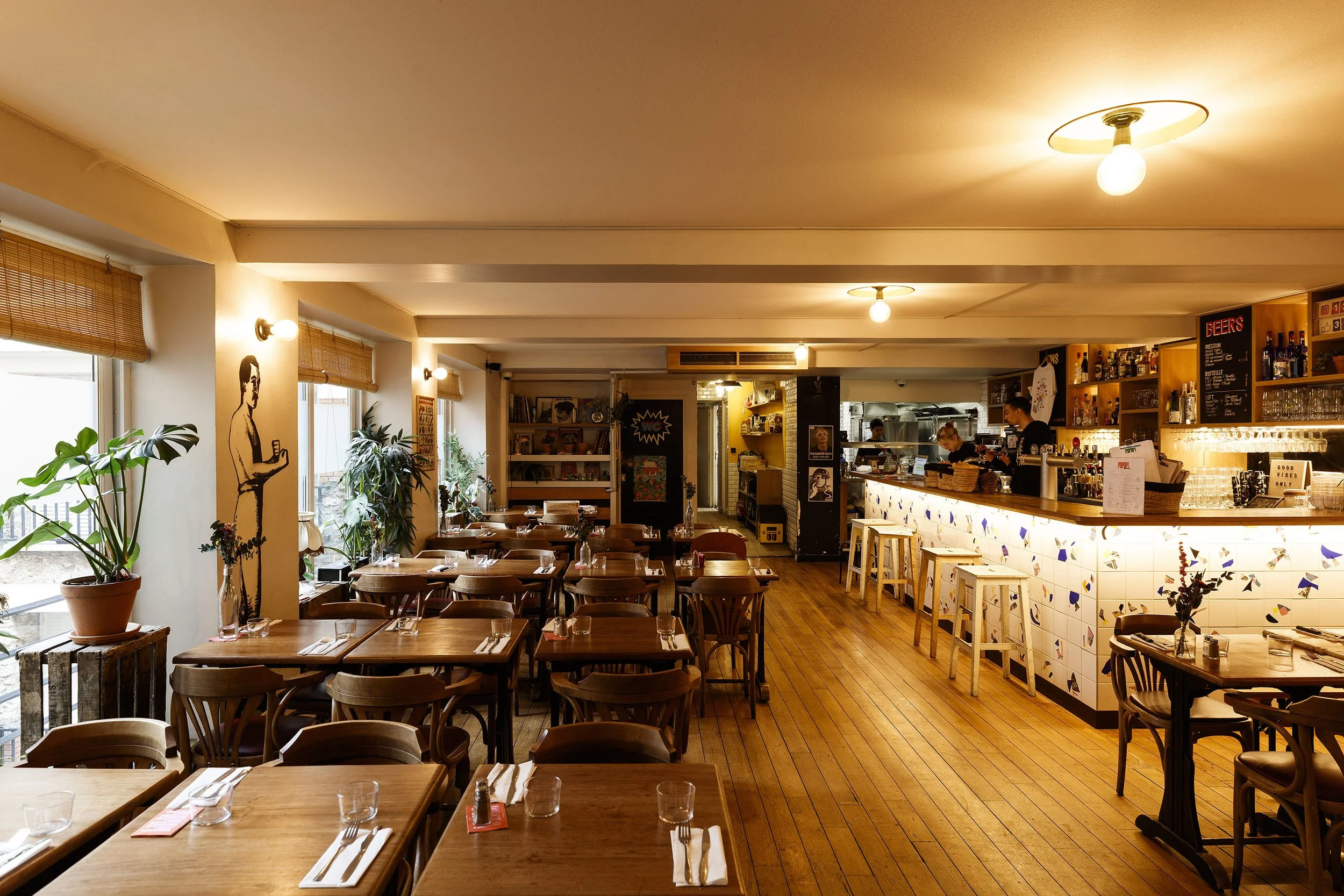
Pop Up by Red House
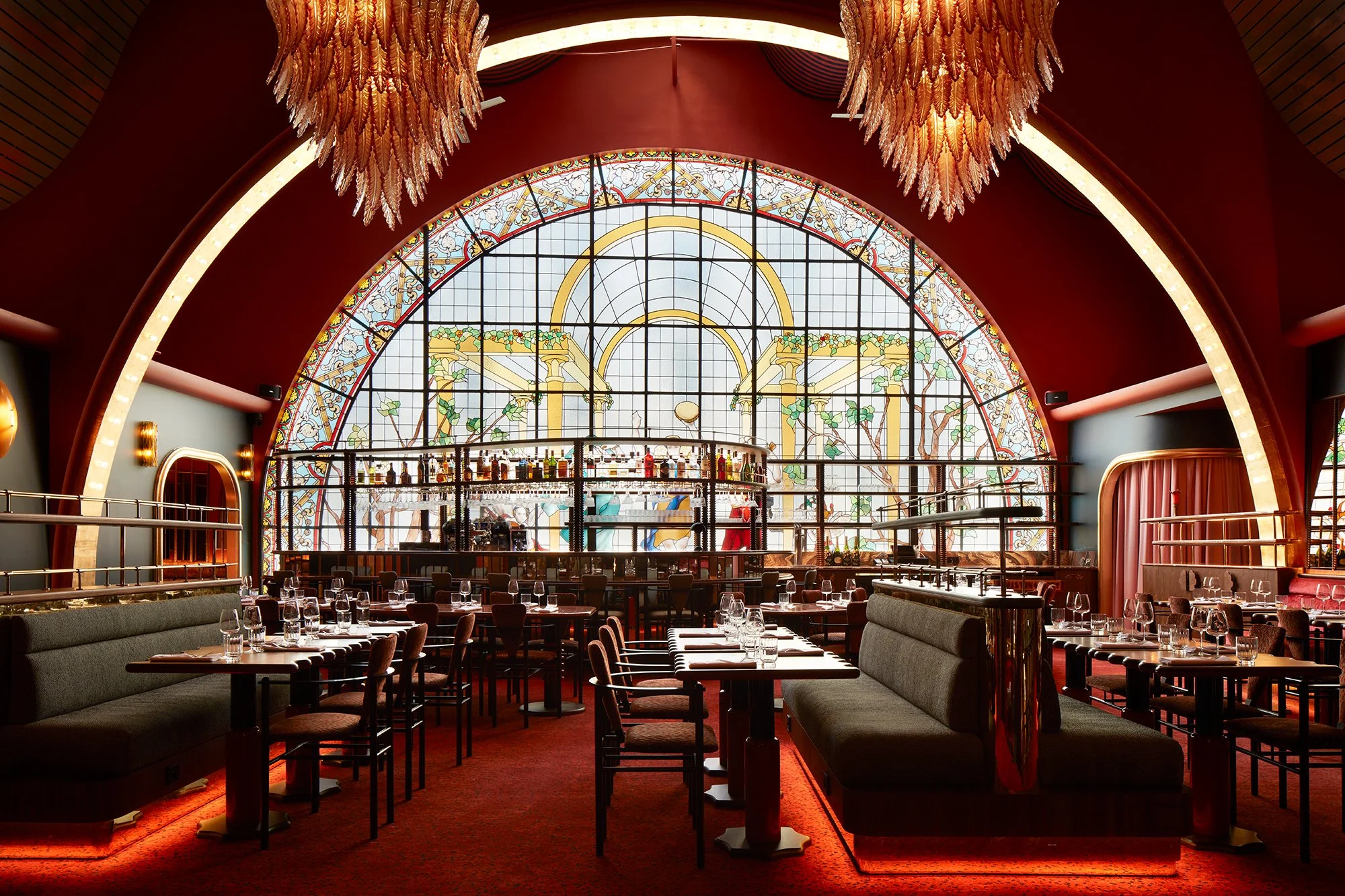
Mistinguett by Red House
Let’s improve your restaurant acoustics.
Restaurant Acoustics: frequently asked questions
-
Many dining spaces feel remarkably noisy because modern architectural acoustics heavily favor reflective surfaces over soft materials. When understanding why are restaurants often so loud even when they are not full, the answer lies in how sound waves behave in a reverberant room; even a small sound source generates unwanted noise that begins bouncing off bare walls and ceilings. Without any dedicated sound absorption, the propagation of airborne chatter and background hvac hum creates a build-up of sound energy that dramatically increases the overall sound pressure level, raising the ambient room noise before the space even reaches capacity.
-
To achieve significant noise reduction, determining what is the most effective way to reduce noise in a restaurant requires prioritizing the areas with the largest surface area, starting directly with the upper structure. Installing a high-performance acoustic ceiling or suspended acoustic ceiling tiles made from dense mineral wool or fiberglass provides the highest absorption coefficient available for commercial venues. This targeted acoustic treatment focuses on noise control right where sound waves travel vertically, ensuring immediate attenuation of the sound level and delivering a highly cost effective way to restore comfort.
-
When looking at how do you fix echo in a restaurant space, the primary goal is to shorten the decay time of sound by introducing certified absorbers. You can easily eliminate a flutter echo and reduce reverberation by mounting fabric-covered acoustic panels or high-density wall panels at ear level where conversations take place. Combining these acoustical panels with strategically placed ceiling baffles breaks up standing waves and absorbs mid-to-high frequency sounds, effectively damping the room's resonance so that speech intelligibility improves instantly.
-
If you are wondering can you improve acoustics without major renovation work, the answer is yes, because a full structural soundproofing overhaul or complex sound isolation setup is rarely necessary just to treat internal room acoustics. Business owners can achieve excellent sound control by adding absorptive stylistic elements, such as thick soundproof curtains over large windows, upholstered booth seating, or decorative art panels lined with open cell foam. These non-invasive acoustic solutions act as a functional sound barrier that helps absorb sound and dampen the overall loudness of the room without any messy construction.
-
Evaluating how do you know if your restaurant needs acoustic treatment comes down to observing the behavior of your guests and staff during peak hours. If patrons constantly have to lean in to hear each other, or if your floor staff struggles with severe audible fatigue from enduring constant noise pollution, your venue is suffering from poor sound quality. When the buildup of background clutter forces people to continuously raise their voices to compete with the room, it is a clear sign that you need a professional layout diagnostic to install proper acoustic design elements and restore peace and quiet.