
Published on July 20, 2026
Reading time: 7min
By Lucas Medus - Studio & Acoustics Expert at Red House
Sommaire
When designing a private cinema, seating is often overlooked or treated as a final aesthetic touch. Yet, your choice of chairs directly impacts not only your physical comfort and sense of immersion but also how you perceive sound.
Discover the critical differences between a standard living room setup and a dedicated home theater, and learn how to choose the perfect seating to complement your room's acoustics and layout.
Thinking about designing a dedicated home theater?
Why home theater seating is essential for comfort and immersion
When planning a dedicated home cinema, it is tempting to think that any comfortable couch will do. However, a standard living room sofa is designed for casual lounging, not for hours of focused viewing. Traditional couches often lack the structured ergonomic support required to maintain a comfortable posture during a movie marathon, and their deep, plush designs can easily lead to fatigue or back strain over time.
More importantly, standard furniture completely ignores the laws of room acoustics. In a high-end cinema room, the height and alignment of your ears relative to the speakers are critical. Specialized home theater seating is engineered to keep your body in the optimal listening position, ensuring that your ears align perfectly with the soundstage and the acoustic "sweet spot." Furthermore, high-backed living room couches can block or reflect surround sound channels, whereas dedicated cinema chairs are designed with acoustics in mind, featuring materials and profiles that minimize sound reflection.
Ultimately, your choice of seating has a massive impact on the overall experience. By combining tailored ergonomic support with strategic acoustic alignment, proper home theater seating removes physical distractions. It allows you to lose yourself entirely in the film, transforming a simple screening into a deeply immersive, true-to-life cinematic experience.
What are the main types of home theater seating?
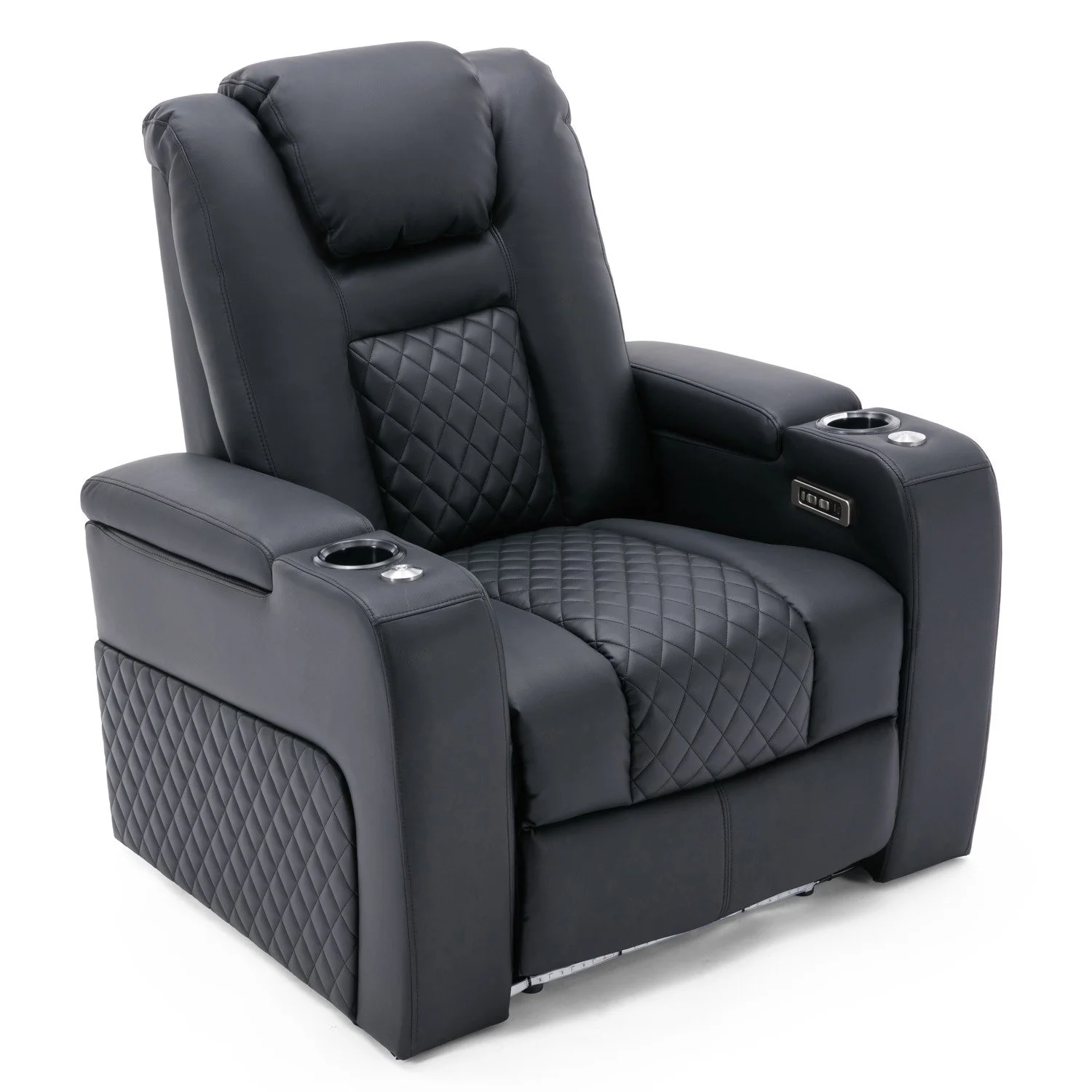
1. Individual Reclining Chairs (Recliners)
The classic choice for ultimate personal comfort. Individual recliners feature independent motorized or manual controls, allowing each viewer to adjust their backrest and footrest to their exact preference. They typically include built-in cup holders, armrests, and premium ergonomic support.
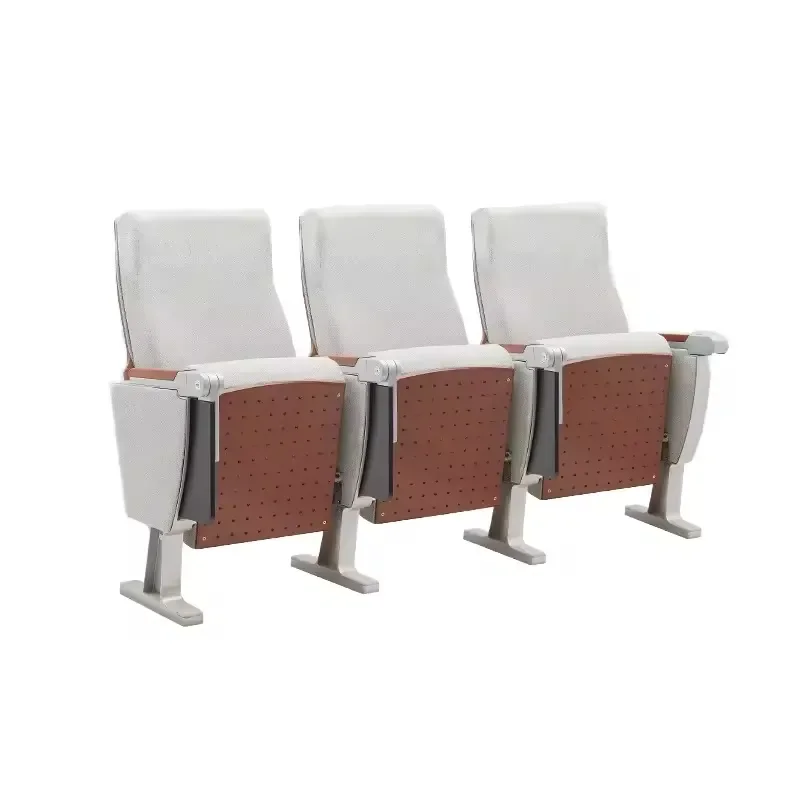
2. Seating Rows
If you want to recreate an authentic commercial cinema vibe, configured seating rows are the way to go. These are multiple seats linked together in a straight or slightly curved layout. Curved rows are particularly excellent for acoustics and visibility, as they orient every single viewer directly toward the center of the screen and the primary soundstage.
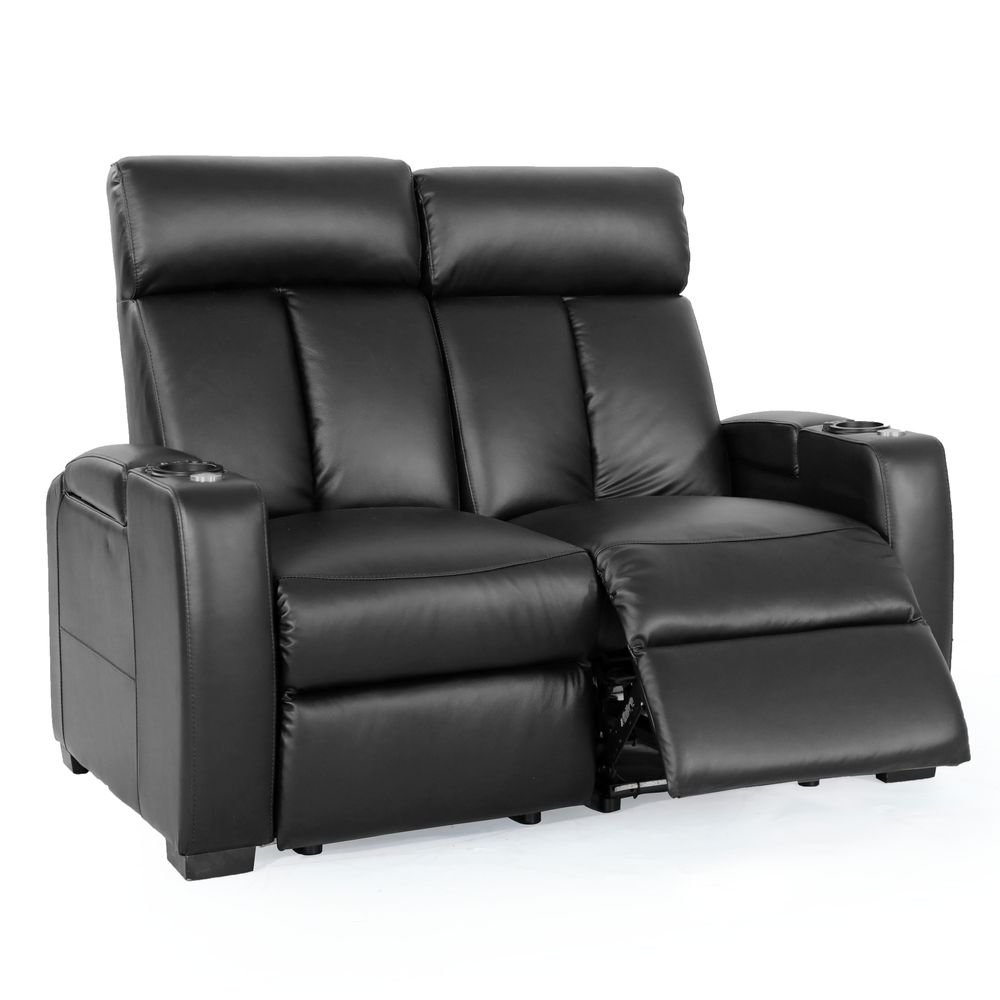
3. Loveseats & Cinema Sofas
Perfect for couples or families who prefer a cozier viewing experience. Loveseats remove the central armrest between two seats, allowing viewers to snuggle up without sacrificing the structured support, reclining features, and acoustic benefits of dedicated theater furniture.
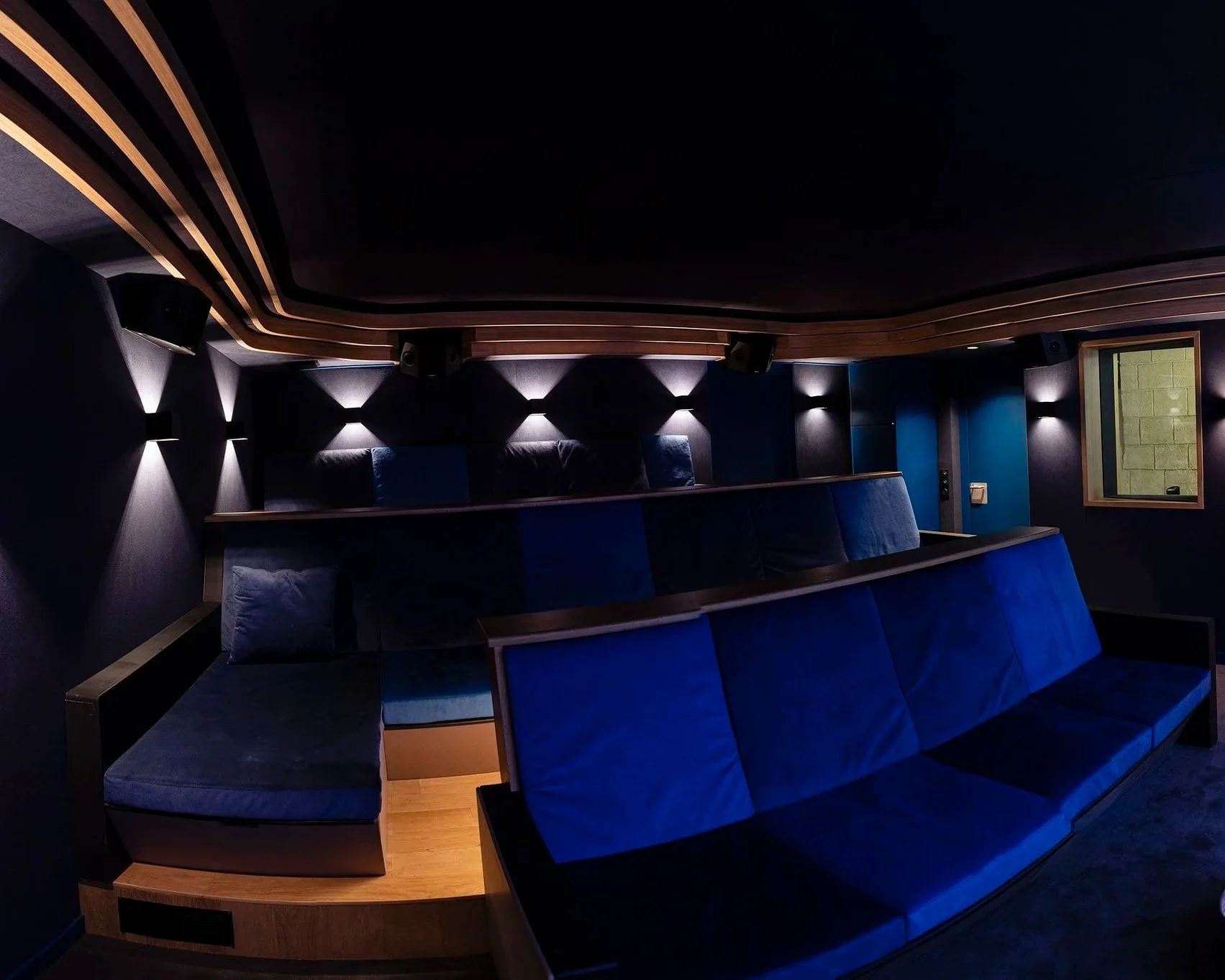
4. Modular Seating & Sectionals
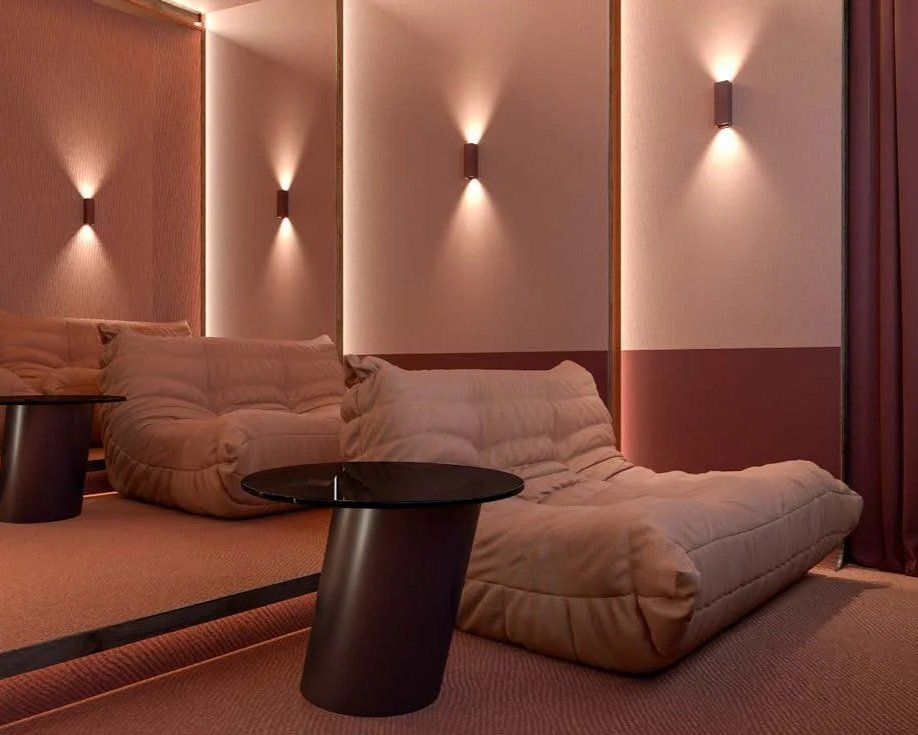
Modular theater seating offers incredible flexibility. Made up of independent pieces (chairs, corner wedges, armrest consoles) that lock together, this option allows you to design custom configurations. You can easily adapt the layout to fit awkward room shapes or unusual acoustic requirements.
5. Custom Seating
For high-end or highly specific architectural designs, custom seating is the ultimate solution. This involves tailor-made dimensions, bespoke fabric or leather choices to match precise acoustic absorption coefficients, and specialized integration for built-in technology like bass shakers (tactile transducers) underneath the frame.
How to design the ideal home theater seating layout?
Designing the perfect layout, starting with an optimized home theater lighting, is a matter of balancing visual immersion, acoustic accuracy, and fluid movement within your dedicated cinema room. To achieve the ultimate cinematic experience, several technical and spatial factors must be carefully calculated and arranged. If you are looking to take your design a step further, feel free to consult our comprehensive guide on home theater ideas to discover more inspiration for your layout or explore our practical advice on planning a budget home theater room to maximize your investment.
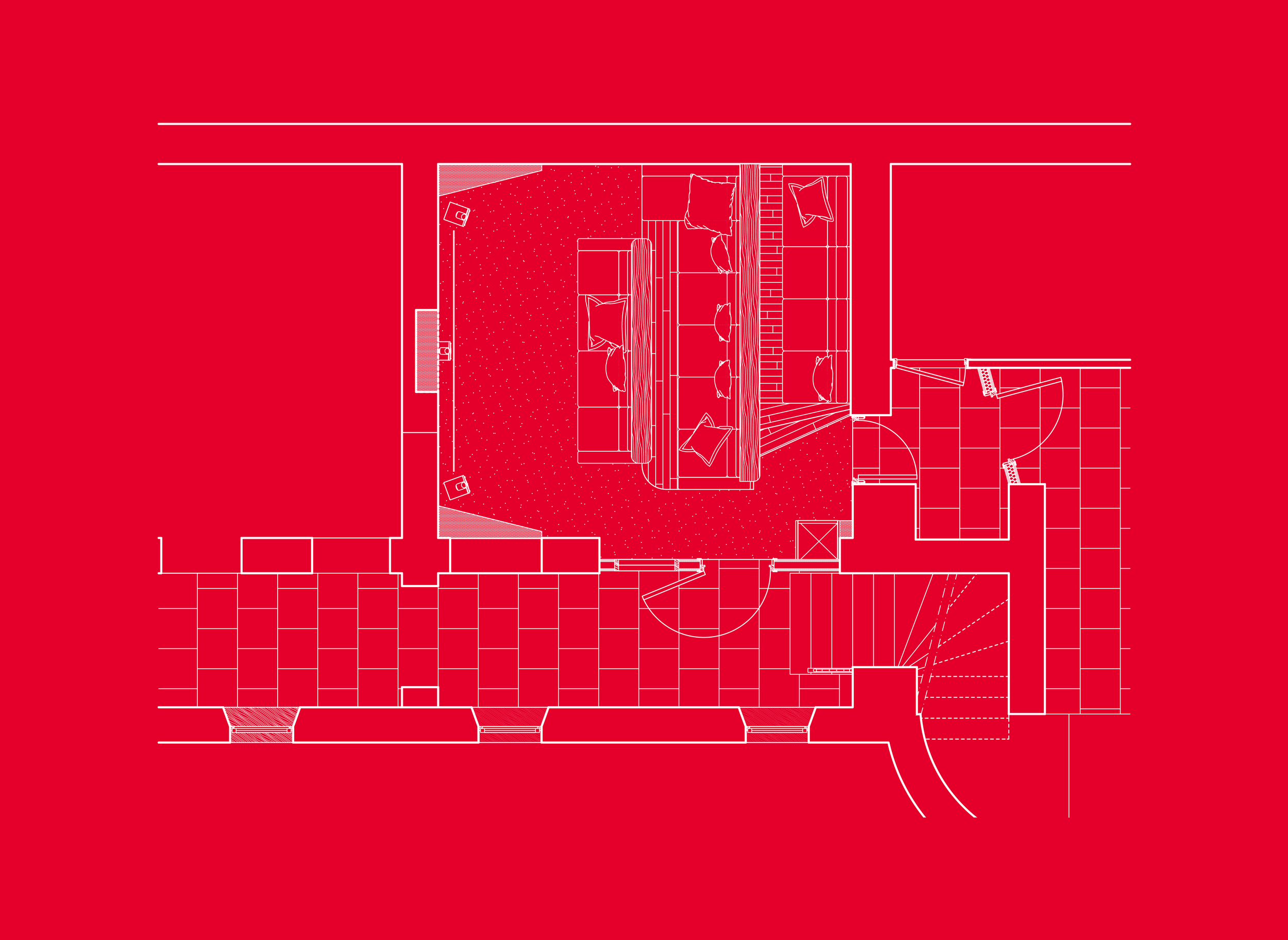
Screen Distance: Your primary seating row must be placed at an optimal distance relative to your screen size to ensure standard 4K clarity without straining your eyes.
Viewing Angle: Industry standards recommend a viewing angle between 36° and 40° to achieve total visual immersion, making you feel like you are inside the movie.
Number of Rows: Deciding how many rows you need will dictate the entire layout of the room, as each added row shifts the acoustic dynamics and sightlines.
Riser / Elevation: When implementing multiple rows, incorporating an elevated platform (riser) is essential to give the rear audience an unobstructed view over the front row's heads and keep sound paths clear.
Circulation: You must plan spacious walkways around the perimeter, ensuring there is plenty of clearance for people to move comfortably even when the chairs are fully reclined.
How seating placement affects sound quality?

The position of your cinema chairs dictates how audio waves travel from your speakers to your ears, directly shaping your overall sound experience.
Placing your seating strategically allows you to land right in the acoustic "sweet spot," where the audio tracks sound exactly as the director intended. Proper placement ensures perfect alignment with your surround sound speakers, allowing dialogue from the center channel and spatial effects from the sides to merge harmoniously. Conversely, positioning chairs too close to the back wall can trap bass frequencies or cause early sound reflections that muddy the audio. By syncing your seating arrangement with the strategic placement of acoustic treatments (like absorption panels and diffusers), you eliminate unwanted echo and standing waves.
This creates a balanced, tight, and remarkably precise soundstage across every single seat in the room.
What to look for in high-quality home theater seating?
Investing in premium home cinema chairs requires looking beyond basic aesthetics. To ensure a truly luxurious and long-lasting experience, you need to evaluate how the furniture supports your body and how its construction interacts with your room's sound waves.
When shopping for high-quality seating, pay close attention to the following essential criteria:
Ergonomics: The chair must feature superior structural engineering that supports natural body alignment, preventing physical fatigue or discomfort during long movie marathons.
Recline Mechanism: Look for smooth, reliable reclining features—ideally motorized—that allow you to adjust the footrest and backrest effortlessly to find your perfect viewing angle.
Lumbar Support: Dedicated, firm lumbar and neck support is crucial for maintaining healthy posture, keeping your spine properly aligned without causing lower back strain.
Materials (Leather vs. Fabric): The upholstery choice shapes both the look and feel of the room. Premium leather offers an upscale aesthetic and easy maintenance, while specialized acoustic fabrics provide a softer texture and unique aesthetic choices.
Sound Absorption vs. Reflection: Upholstery materials also act as acoustic elements; while leather surfaces tend to reflect high frequencies, performance fabrics are excellent for sound absorption, preventing unwanted echoes from bouncing off the chairs.
Durability: High-end seating should feature a robust frame (such as solid hardwood or steel) and high-density foam padding that retains its shape and supportive resilience over years of heavy use.
Standard vs custom home theater seating
When designing a dedicated home cinema, choosing the right seating is just as crucial as selecting the screen or sound system. While standard home theater seating offers a quick, budget-friendly solution with ready-to-ship convenience, custom home theater seating allows you to tailor every detail, from precise dimensions and premium upholstery to built-in accessories and tailored ergonomics.
The comparison table below highlights the key differences to help you decide which option best fits your project and expectations.
| Features & Criteria | Standard Seating Solutions | Custom Seating Solutions |
|---|---|---|
| Limitations & Flexibility | Fixed dimensions, limited configurations, and pre-set modular options that might not optimize your room footprint. | Tailor-made to your exact specifications. Infinite flexibility in layout, sizing, and row configurations. |
| Room Integration | Can lead to awkward spacing, blocked walkways, or compromised sightlines if the dimensions do not match your architectural constraints. | Seamless integration. Engineered to fit perfectly within your room's dimensions, structural risers, and precise viewing angles. |
| Global Design Coherence | Restricted choice of colors, fabrics, and finishes, making it difficult to fully harmonize with bespoke wall treatments or themes. | Ultimate design synergy. Complete freedom to choose premium fabrics, textures, and custom colors that align beautifully with the room's aesthetic. |
| Acoustic Synergy | Standard materials may accidentally reflect high frequencies or fail to provide optimal acoustic absorption for your sound fields. | Upholstery and backing can be selected based on specific acoustic absorption coefficients to match your room treatment goals. |
Common mistakes to avoid when choosing home theater seating
A few simple planning errors can easily compromise your private cinema experience. To ensure maximum comfort and perfect technical performance, make sure to avoid these frequent pitfalls:
Incorrect Screen Distance: Sitting too close causes eye strain, while sitting too far away ruins the immersive impact of the display.
Poor Spatial Alignment: Misaligning your chairs with the center of the screen disrupts both viewing angles and the symmetry of the soundstage.
Overcrowding the Room: Squeezing in too many seats leaves no room for walkways and restricts comfort when chairs are fully reclined.
Ignoring Room Acoustics: High-backed chairs or poor placement can easily block surround channels and cause unwanted sound reflections.
Prioritizing Design Alone: Choosing a chair based only on looks often means sacrificing the essential ergonomic and lumbar support needed for long movies.
Why work with Red House for your home theater project?
Creating a high-end private cinema requires much more than just purchasing luxury furniture. At Red House Acoustics, we seamlessly blend architectural design, ergonomic comfort, and precise sound engineering to bring your dream entertainment space to life.
By partnering with us, you benefit from a comprehensive approach tailored to your exact needs:
Bespoke Tailored Approach: We design fully personalized configurations, crafted specifically around your personal style, preferences, and lifestyle.
Acoustic Engineering Expertise: Our core expertise ensures that every chair choice and layout position perfectly enhances sound treatment rather than disrupting your sound field.
Comprehensive Global Vision: We manage the delicate balance between high-end aesthetics, precise room acoustics, and long-term ergonomic health.
Adaptability to Any Space: Whether you are converting a compact room or creating a massive multi-row theater, we optimize every square inch to achieve perfect sightlines and performance.
Premium High-End Projects: We work with top-tier materials and cutting-edge technology integrations to deliver unparalleled luxury and durable quality.
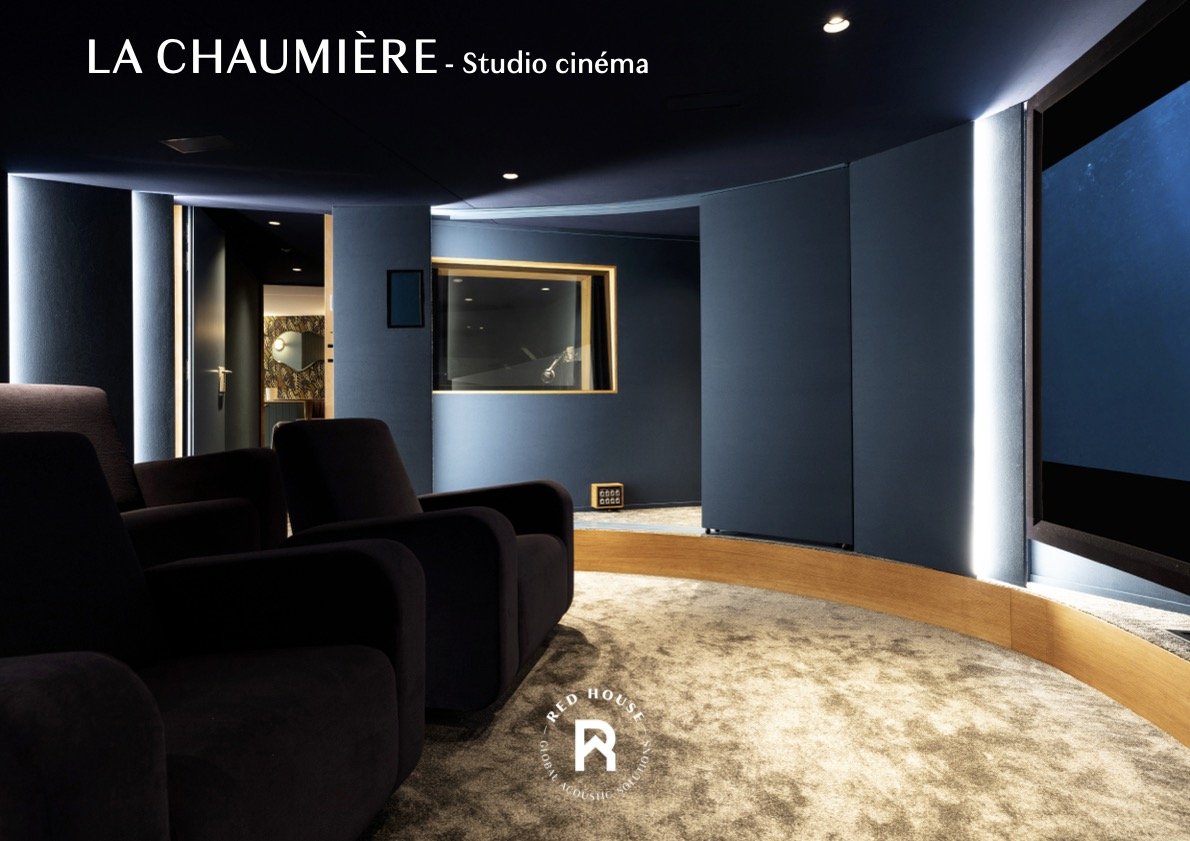
La Chaumière by Red House
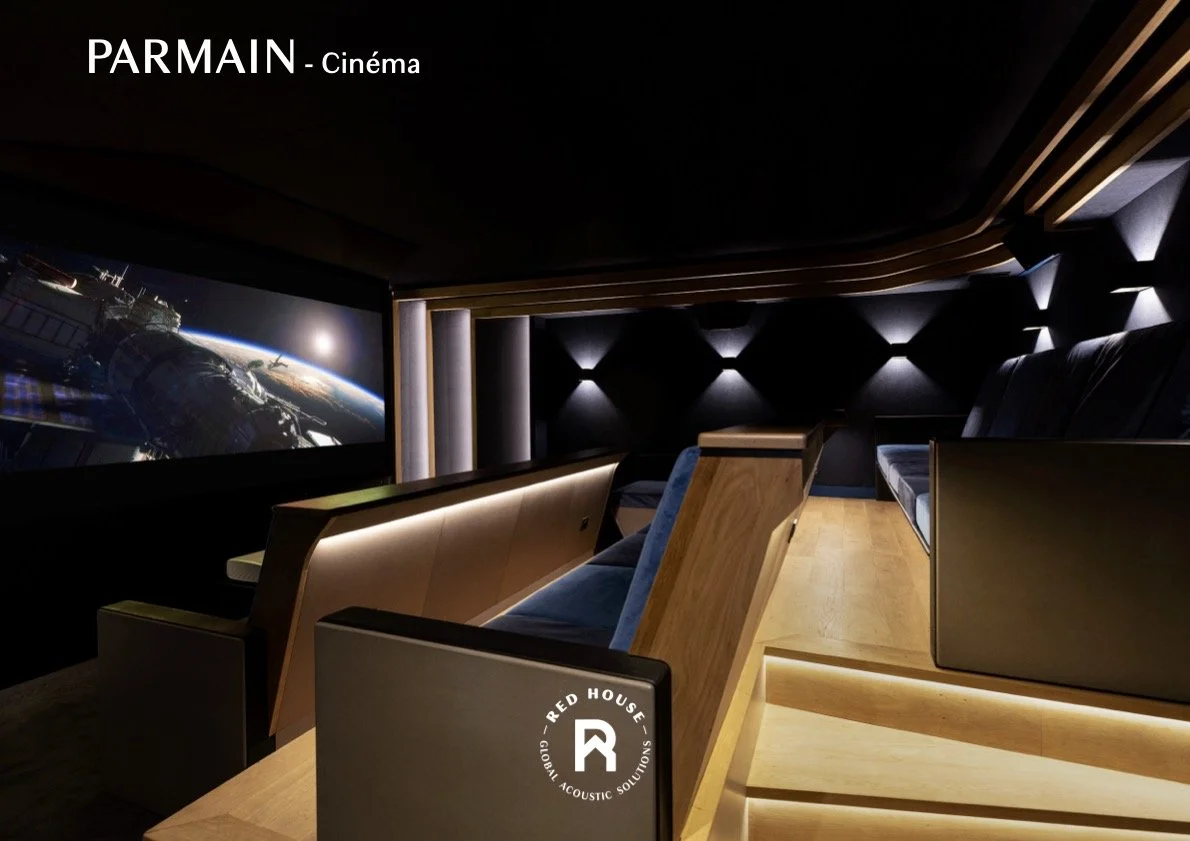
Parmain by Red House
Create a home theater designed around your space, your sound and your experience
Home theater seating: frequently asked questions
-
The best seating position in a home theater or dedicated theater room is within the primary acoustic and visual sweet spot, ideally aligned directly with the center of the screen and the front loudspeakers. To find this perfect theater seating placement, your ears should sit at a height that avoids blocking the rear sound fields, ensuring flawless sound staging. For the ultimate movie night comfort, this zone should feature an ergonomic layout with dedicated lumbar support, a structured backrest, and a plush seat cushion to minimize physical strain. Placing your theater seat too close to the back wall can trap frequencies, so leaving ample rear clearance is always recommended.
-
The ideal distance for home theater seats depends entirely on your screen size and room dimensions to maintain a standard 36° to 40° immersive viewing angle. When configuring your home theater seating, the front row should generally be placed at a distance roughly equal to 1.2 to 1.5 times the width of the display. Whether you select a modular leather sectional, a curved row of power recliners, or a sleek sofa loveseat, calculating the clearance is essential. Remember to factor in the total footprint of the furniture when the integrated footrest and back cushions are reclined so that visual clarity and room movement remain completely uncompromised.
-
The number of theater seats you can fit depends on the architectural footprint of your media room and the required walkway clearance. While it is tempting to maximize capacity, overcrowding the room with too many recliner chairs or a wide sectional sofa can ruin the layout. For multi-row configurations, you must integrate an elevated platform or riser to maintain unobstructed sightlines for the rear audience. Whether you choose individual power recliner models, a cozy love seat, or linked seating rows, you must maintain a mandatory clearance of 30 to 36 inches for walkways so that guests can move safely even when every leather recliner is fully extended.
-
Yes, your choice of home theatre furniture heavily influences the acoustic performance and sound fields within the space. The upholstery material acts as a functional surface; while a premium top grain leather or italian leather finish provides a stunning aesthetic, it tends to reflect high frequencies. Conversely, choosing a performance fabric, microfiber, or porous upholstery provides excellent sound absorption, eliminating flutter echoes. Additionally, high-backed furnishings can accidentally block surround sound channels, which is why specialized cinema seats are engineered with optimized profiles to complement your acoustic wall treatments.
-
Choosing between recliners and traditional sofas comes down to balancing individual luxury with a cozy family atmosphere. A motorized power recliner or a dedicated recliner chair offers unmatched personal comfort, allowing each viewer to independently adjust the headrest, lower the foot rest, and enjoy built-in accessories like an integrated cupholder or tray table. On the other hand, a high-quality leather sofa, a casual couch, or a reclining loveseat creates a more intimate, shared environment. For the best of both worlds, modern layouts often combine a custom reclining sectional with an elegant leather ottoman or a chaise lounge, blending contemporary design with functional versatility.