
Published on November 17, 2026
Reading time: 7min
By Lucas Medus - Studio & Acoustics Expert at Red House
Sommaire
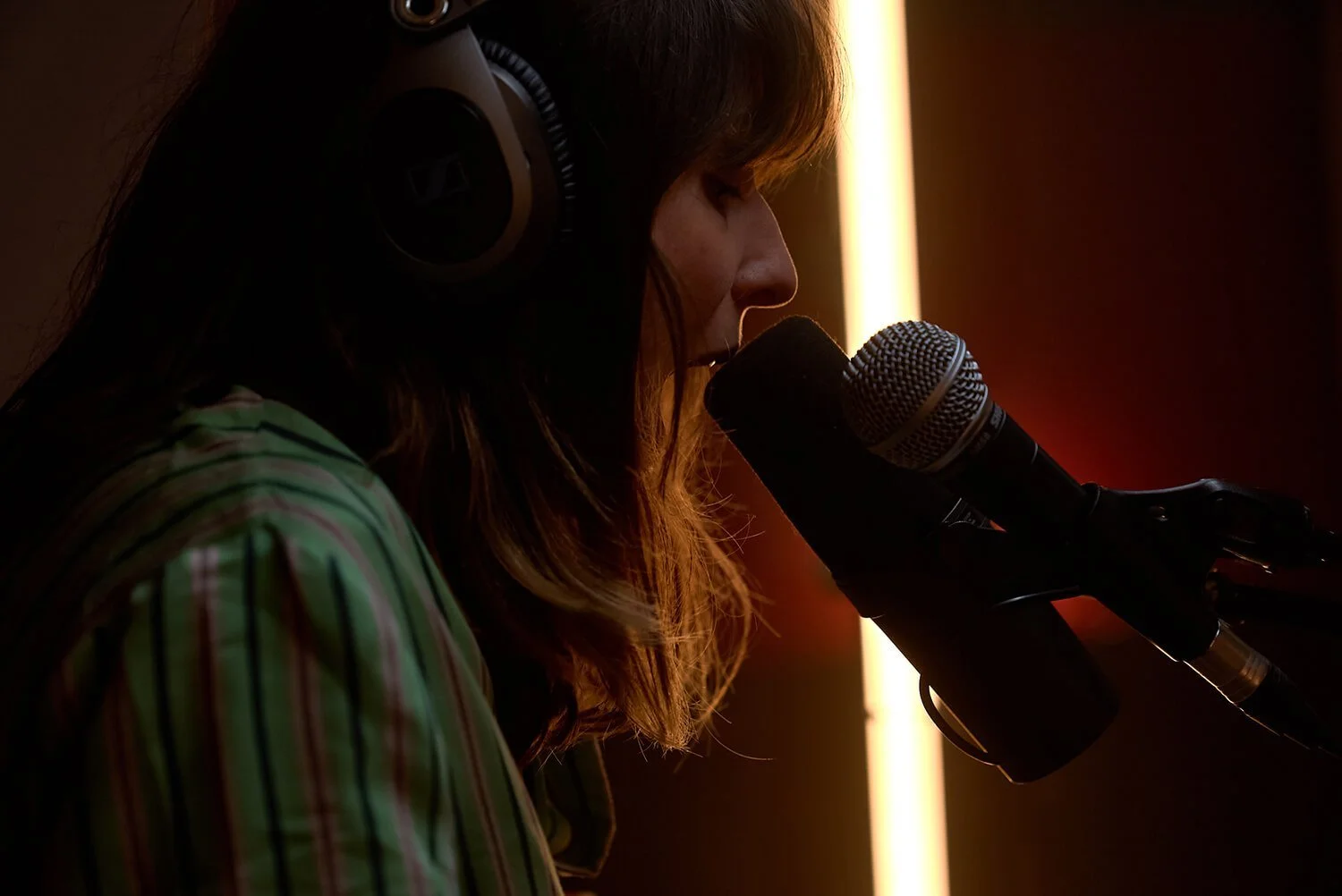
Unlike consumer headphones designed to make music sound flattering, studio headphones deliver neutral, accurate sound with no embellishment.
A cornerstone of any recording and production setup, they let you pick up the smallest details in a take and fine-tune a mix with surgical precision. In a home studio, where room acoustics are rarely ideal and neighbors often mean you have to keep the volume down, they become an essential tool for getting professional results.
Open-back, closed-back or semi-open, frequency response, impedance: we'll walk you through the key criteria step by step so you can choose the studio headphones that best fit your needs and your budget.
What are studio headphones?
Studio headphones are listening devices designed specifically for professional audio production and processing. Unlike hi-fi or consumer headphones, which enhance the sound by boosting the bass or treble to make listening more enjoyable, studio headphones stand out for their neutral, transparent frequency response. Their main goal is to reproduce sound with complete accuracy, without any coloration.
Thanks to this acoustic precision, they work like a magnifying glass for your ears: they let you analyze every frequency accurately, spot flaws in a recording (background noise, sibilance, imbalances) and make informed technical decisions throughout production.
When should you use studio headphones?
Studio headphones come into play at several key stages of music production, each with its own specific needs:
Recording (vocals and instruments): during tracking sessions, headphones paired with a good home studio microphone let the artist hear themselves clearly and follow the backing track or click without the sound bleeding into the mic. Closed-back headphones provide the best isolation in the vocal booth or live room.
Mixing and mastering: they offer surgical precision for setting levels, panning within the stereo field, applying effects and fine-tuning the track's dynamics.
Home studio use: at home, headphones are an affordable and highly effective alternative to studio monitors. They let you write, arrange and mix at any hour without worrying about neighbors or outside noise.
Working in an untreated room: in a standard room without acoustic treatment (resonances, early reflections, bass buildup), speakers deliver sound distorted by the room. Headphones take the room completely out of the equation, giving you a stable, neutral reference wherever you work.
Open-back, closed-back or semi-open: which should you choose?
The right design for your headphones depends mainly on what you'll use them for most in your workflow.
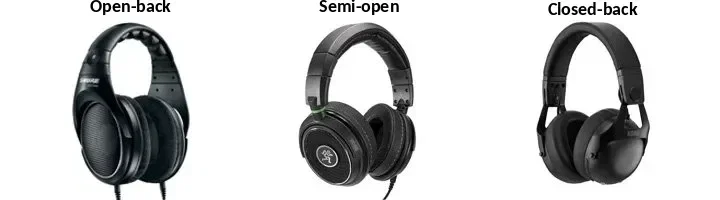
To help you identify the design that best suits your work, here is a side-by-side comparison of the three main types of studio headphones:
| Type | Pros | Cons | Best for |
|---|---|---|---|
| Closed-back | Excellent isolation (no sound bleeding into the mic), punchy bass and full immersion. | Narrower soundstage, pressure on the ears, faster listening fatigue. | Recording (vocals/instruments) and tracking in noisy environments. |
| Open-back | Very natural, airy sound, highly precise stereo image, comfortable for long sessions without heat buildup. | No isolation (sound leaks out and ambient noise gets in). | Mixing & Mastering in a quiet, treated room. |
| Semi-open | Balanced compromise: good spatial accuracy, natural bass and solid comfort. | Average isolation (slight leakage makes them unsuitable for very sensitive vocal takes). | All-rounder writing, arranging and pre-mixing in a home studio. |
Comparison chart of the best studio headphones
To help you choose the right gear for mixing, recording or critical listening, the chart below lists the best studio headphones by technical specs, design and recommended use.
| Model | Type | Impedance | Recommended use |
|---|---|---|---|
| Audio-Technica ATH-M50x | Closed-back | 38 Ω | Recording, monitoring, reference listening and DJing. |
| Beyerdynamic DT 770 Pro | Closed-back | 80 Ω / 250 Ω | Instrument/vocal tracking, comfortable analytical listening. |
| Beyerdynamic DT 1990 Pro MKII | Open-back | 30 Ω | Mixing, mastering and detailed audio editing over long sessions. |
| Sennheiser HD 600 | Open-back | 300 Ω | High-fidelity mixing and mastering (requires a dedicated headphone amp). |
| AKG K240 Studio | Semi-open | 55 Ω | Versatile, budget-friendly home studio pick for writing and demos. |
| Sony MDR-7506 | Closed-back | 63 Ω | Field recording, voiceover and direct technical monitoring. |
Mistakes to avoid when choosing studio headphones
Investing in studio headphones won't automatically improve your results if you fall into a few technical traps when buying or using them:
Choosing "fun" headphones instead of neutral ones: hi-fi or on-the-go headphones (such as Bluetooth noise-canceling models) often boost the bass and treble to make listening more enjoyable. When mixing, this misleads you: you'll end up cutting bass that your track actually needed.
Ignoring impedance: plugging 250 Ω or 300 Ω headphones straight into the headphone jack of a laptop or smartphone will give you very low volume and a muffled sound.
Mixing only on headphones with no outside reference: headphones artificially separate the left channel from the right. Without the natural crossfeed you get from speakers (sound from the right speaker also reaching your left ear), it's easy to overdo the reverb or misjudge the stereo width.
Studio headphones or studio monitors?
It's the classic home studio dilemma. In reality, the two tools don't compete; they complement each other. The ideal approach is to write and mix mainly on headphones if your room isn't treated, while regularly checking your work on studio monitors.
Headphones are unbeatable for detailed, surgical analysis, cleaning up tracks (mouth noises, clicks), working late at night and taking an untreated room's acoustic flaws out of the equation. They also offer great value for money when you're starting out.
Studio monitors let you feel low frequencies with your whole body, judge the depth of the soundstage and set the overall dynamics more naturally, without early listening fatigue.
The best studio headphones for every budget
Under $120: high-performing entry-level models
Ideal for getting started in a home studio without breaking the bank, this category offers reliable models for recording and early demos.
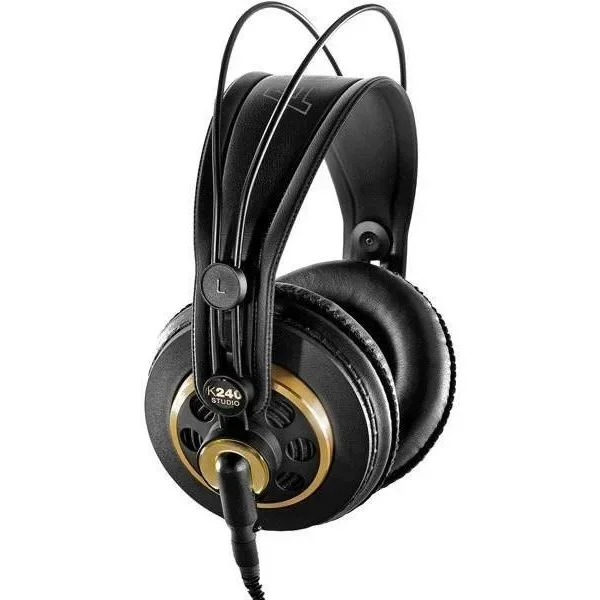
AKG K240 Studio: a semi-open classic with a very airy sound and great comfort at an affordable price. Perfect for writing and editing.
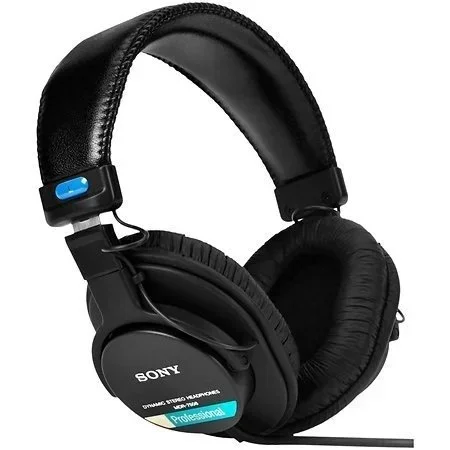
Sony MDR-7506: the go-to reference for closed-back tracking. It offers excellent midrange accuracy and great isolation.
$100 to $200: the professional standard
This is the home studio sweet spot. These models deliver the neutrality and durability that sound engineers demand.
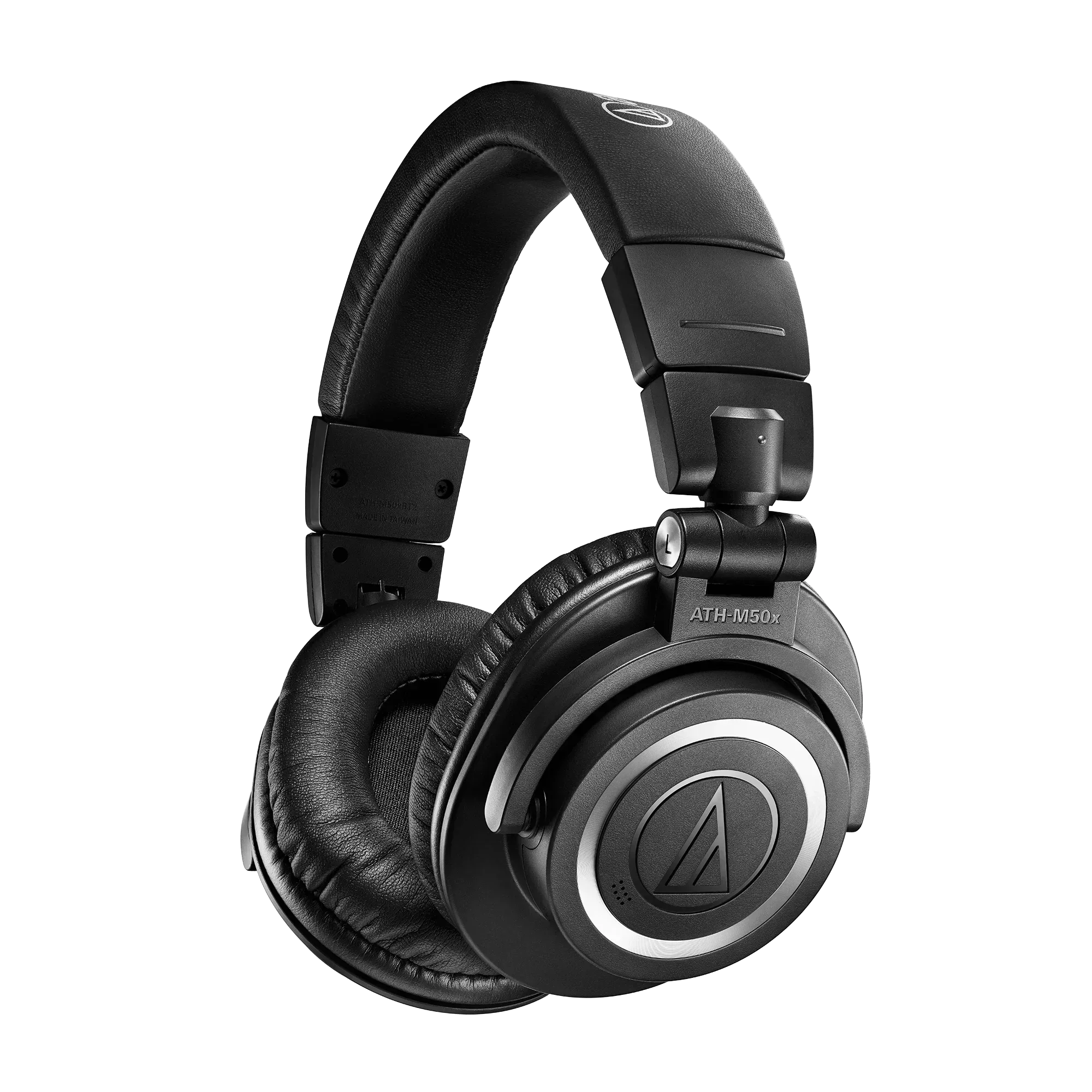
Audio-Technica ATH-M50x: an extremely versatile closed-back model, known for its solid bass and precision. A Swiss Army knife for recording and mixing.
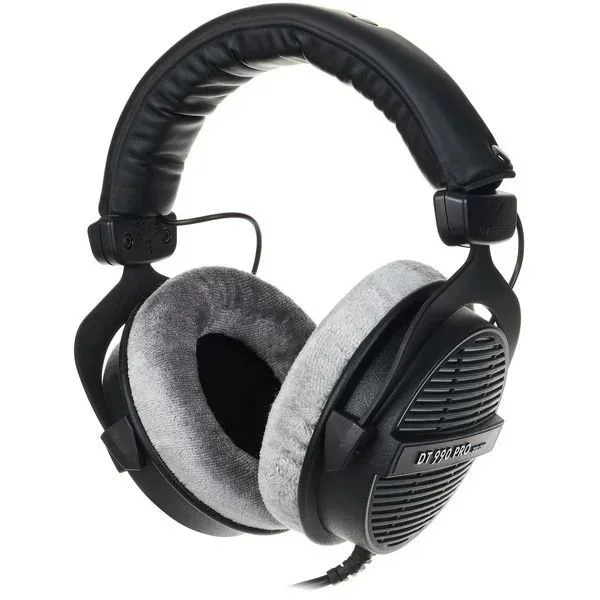
Beyerdynamic DT 770 Pro: outstanding isolation and legendary velour ear pads for hours of recording without fatigue.
Over $200: high precision for mixing and mastering
For anyone looking for complete transparency and flawless imaging to finish their productions.
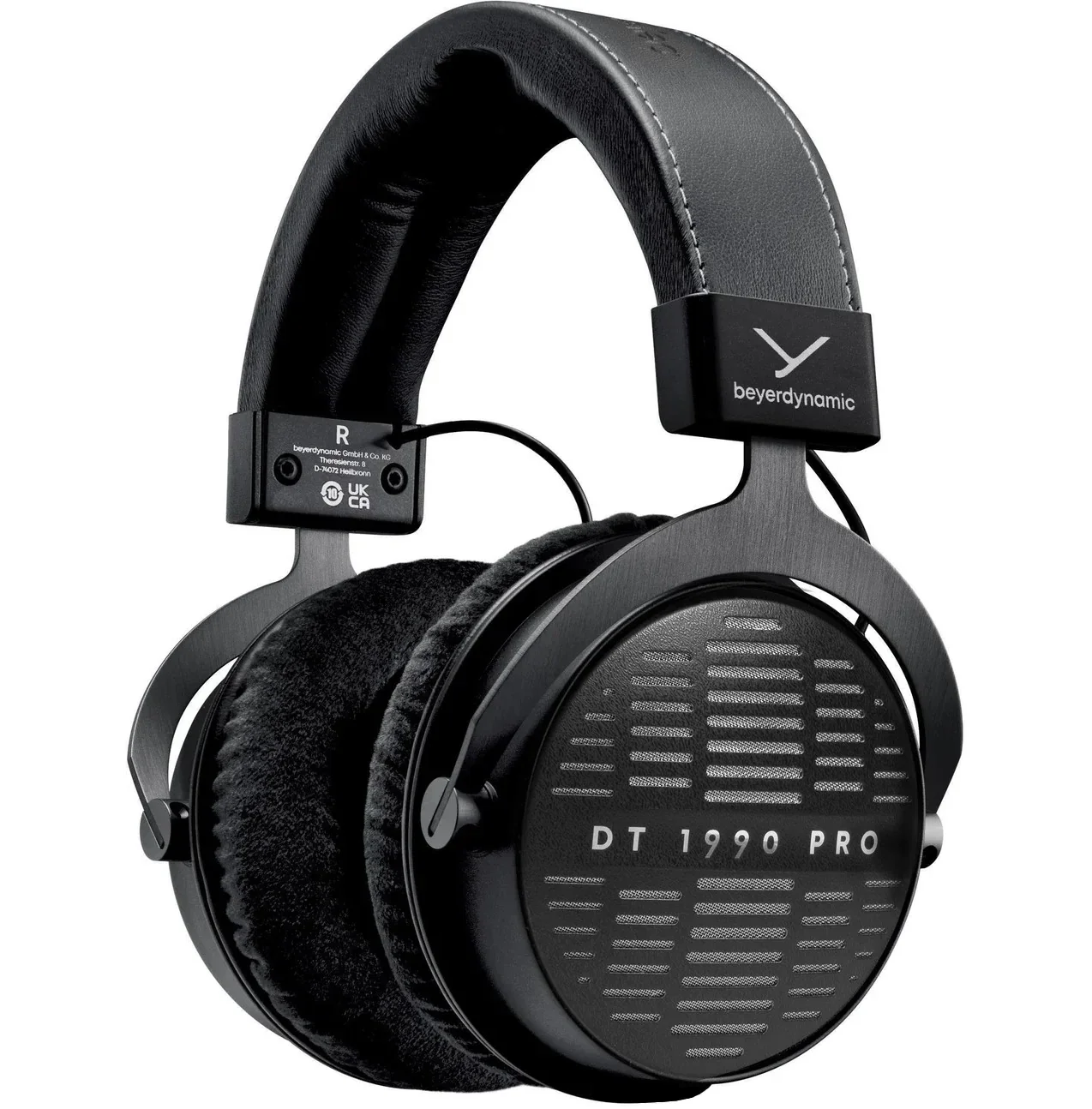
Beyerdynamic DT 1990 Pro MKII: open-back headphones with a very wide soundstage and exceptional detail across the entire spectrum.
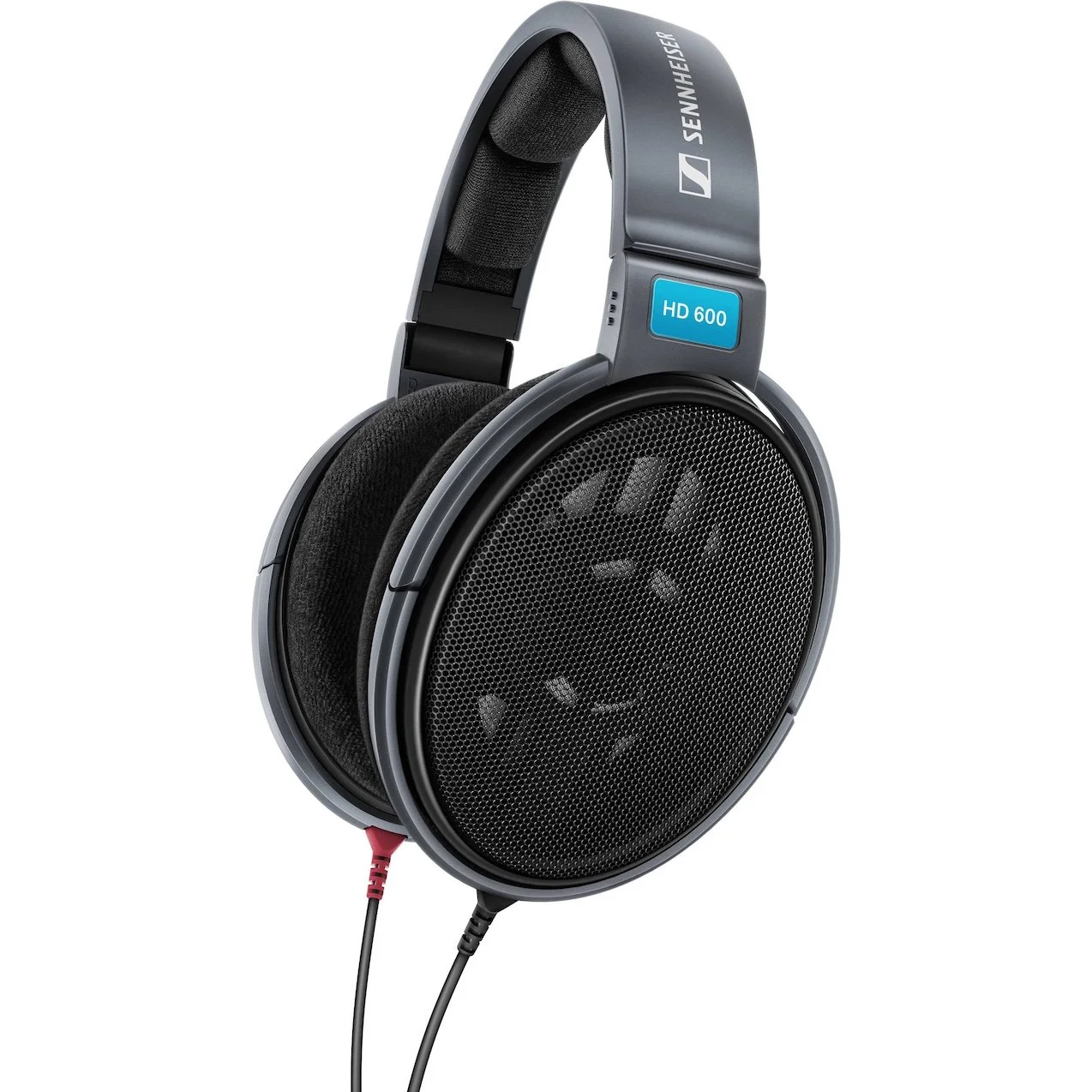
Sennheiser HD 600: the reference in mastering studios for its remarkably neutral frequency response.
Why work with Red House on your recording studio?
Optimizing your setup doesn't stop at choosing a good pair of headphones. At Red House, we support you from start to finish in designing, fitting out and fine-tuning your creative space. Whether you're looking for the best DAW for your production workflow or the right acoustic treatment with panels and studio acoustic foam, our experts put their technical know-how to work for your sound. Choosing Red House means getting tailored advice, gear selected from the industry's leading professional brands and personalized support to bring all your musical ambitions to life in the best possible conditions.
Studio headphones: frequently asked questions
-
The best studio headphones depend on the production stage and your monitoring needs. Among closed-back models, the Audio-Technica ATH-M50x and the Beyerdynamic DT 770 Pro stand out for recording, thanks to their strong isolation and accurate drivers that keep sound from bleeding into the mic. On the open-back side, the Sennheiser HD 600 or the AKG K702 offer a very wide soundstage, ideal for precision work. Good studio headphones should deliver a neutral frequency response with no artificial bass or treble boost, unlike Beats or Marshall headphones or consumer Bluetooth earbuds.
-
For mixing, the answer leans clearly toward open-back headphones. Open-back designs deliver a more natural, airy sound and avoid pressure building up in the ear canal. This gives you precise control over the midrange and an accurate sense of the stereo field. Closed-back headphones, on the other hand, prioritize isolation from ambient and outside noise, which makes them perfect for tracking or noisy environments, but less suited to long mixing sessions where comfortable memory foam ear pads and sonic transparency are essential.
-
Yes, as long as you understand the limits of this approach. Headphone listening offers excellent sound quality and lets you analyze the details of a mix without being affected by the room's acoustics. It's especially effective in an untreated home studio. However, to avoid misjudging the frequency balance and the stereo image you'd get from speakers, it's best to pair your headphones with a quality audio interface, possibly a dedicated headphone amp or DAC, and to check your work regularly on traditional studio monitors.
-
Good studio headphones are surprisingly affordable. At the entry level ($50 to $120), legendary models like the Sony MDR-7506 or the AKG K240 already deliver very respectable performance for beginners. For the professional standard ($100 to $250), a sturdy wired model with a good detachable cable, well-matched impedance and reliable connectors (including a 3.5 mm to 6.35 mm / 1/4" adapter) offers the best value for making music on headphones.
-
The difference comes down to sound signature and intended use. Studio headphones aim for complete transparency: they don't hide flaws, add no distortion and deliver the raw sound that music production requires. Hi-fi headphones, Bluetooth headphones and portable headphones designed for music lovers and audiophiles, on the other hand, aim to flatter the ear for everyday listening. Consumer headphones also often include active noise cancellation (ANC), a built-in mic for hands-free calls, a folding headband for portability, or even surround sound for gaming: all features you don't need for rigorous studio work.