
Published on October 29, 2026
Reading time: 7min
By Lucas Medus - Studio & Acoustics Expert at Red House
Sommaire
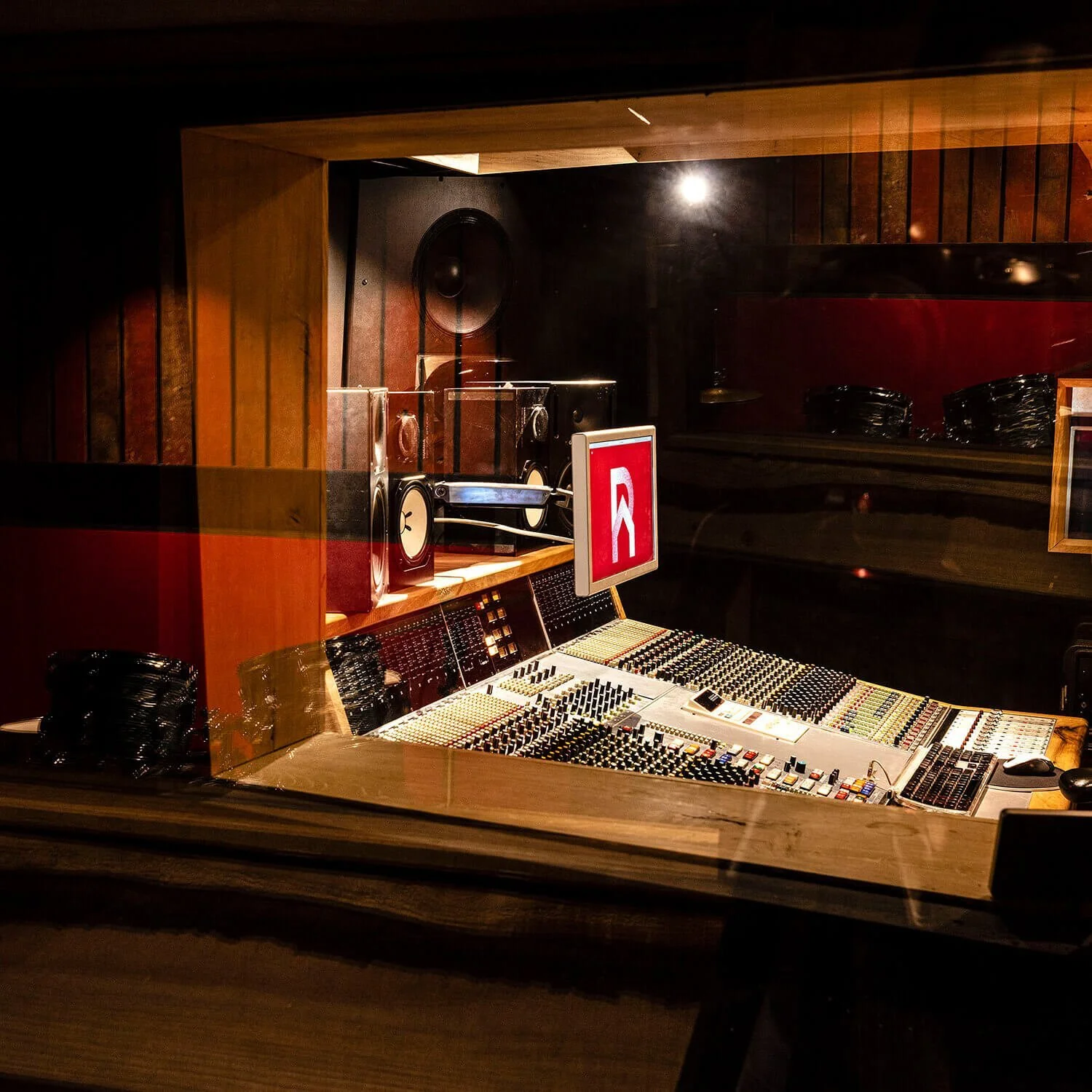
A recording studio provides the room, the gear and usually an engineer; a producer shapes the artistic direction of your songs. You can book one without the other, but many artists get the best results when the right studio and the right producer work together.
Key Takeaways
- The studio provides the space, gear and often an engineer; the producer guides the creative direction.[cite: 1]
- A recording engineer captures the sound; a producer shapes the song and the performance.[cite: 1]
- Hire a producer when you need arrangement, direction or a specific sound.[cite: 1]
- Book a studio alone when your songs are ready and you know what you want.[cite: 1]
- Some studios offer packages with an in-house producer.[cite: 1]
What does a recording studio provide?
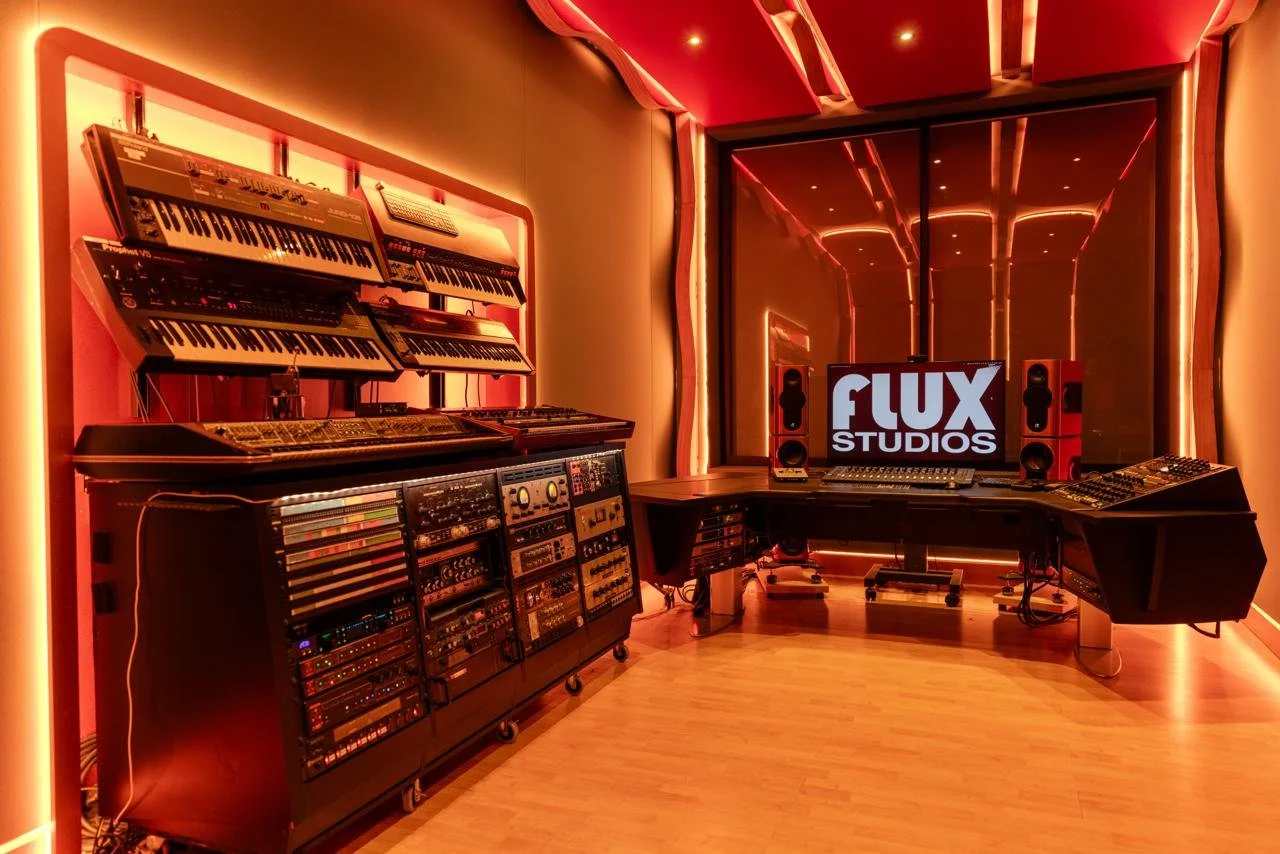
When you book a professional recording studio, you are investing in much more than just four walls. A proper studio provides an acoustically treated room designed to capture pristine sound without unwanted reflections or background noise. Beyond the physical space, you gain access to high-end microphones, preamps, instruments, and industry-standard gear that would be costly to own independently. Furthermore, a studio session typically includes a qualified sound engineer to handle the technical setup, signal flow, and tracking, allowing you to focus entirely on your performance.
What does a music producer do?
While a recording studio handles the technical capture of sound, a music producer shapes the creative identity and overall vision of your project. A producer provides artistic direction, helps refine musical arrangements, and makes critical choices regarding sound design and instrumentation. During the recording sessions, they act as a coach, guiding your vocal or instrumental performance to bring out the emotional depth and energy of the track. Finally, they oversee the mixing and mastering stages to ensure the final product matches your artistic goals and meets commercial standards.
Producer vs recording engineer vs mixing engineer
Understanding the distinct roles in music production ensures you assemble the right team for your project. While these professionals often collaborate closely, each focuses on a different stage of turning your musical ideas into a polished final release.
| Music Producer | Guides the creative direction, shapes arrangements, and coaches performances. | When you need artistic direction, song structuring, or creative guidance. | Fully produced demo/track structure and overall song direction. |
| Recording Engineer | Handles acoustic setup, microphone placement, signal flow, and technical tracking. | When you are tracking vocals, instruments, or live sessions in a studio. | Raw, high-quality audio multi-tracks (stems / multitrack files). |
| Mixing Engineer | Balances individual audio tracks, applies EQ/compression, and creates depth and clarity. | When all recording is complete and your songs are ready for final sound balancing. | Stereo mixdown files ready for mastering (e.g., 24-bit WAV). |
When should you hire a producer?
Hiring a music producer is essential when you are embarking on your very first professional project or looking to elevate your sound to the next level. You should bring in a producer when you need specialized arrangements, are searching for a specific sonic identity, or want to ensure a consistent, cohesive flow across an entire EP or album.
When is booking a studio alone enough?
Booking a recording studio with just an engineer is entirely sufficient when your songs are fully written, your demos are polished and well-structured, and you already know precisely what you want to achieve. If you act as your own self-producer or have already mapped out your artistic direction, you simply need the optimal acoustic space and technical gear to capture your performance.
Booking studio time does not always include a producer. Always ask what is included: engineer, mixing, mastering, number of revisions.
Want a studio designed around the way you produce?
Red House designs custom recording studios for artists and producers, from acoustics to custom furniture.
How much does a producer and a recording studio cost?
Understanding recording studio prices services and music production helps you budget effectively for your project. Rates vary depending on the pricing model, the scope of work, and the experience of the professionals involved.
Common Pricing Structures
Hourly & Daily Rates: Studios and engineers typically charge by the hour or offer discounted day rates for full sessions.
Per-Song Fees: Producers often charge a flat fee per track, covering pre-production, tracking guidance, and artistic supervision.
Producer Points & Royalties: In addition to upfront fees, established producers may ask for 2% to 4% of master royalties (points) on commercial releases.
Key Cost Factors: Pricing depends heavily on the producer’s track record, studio location, gear quality, and the complexity of your project's arrangements.
How to find the right studio and producer?
Finding the right team is crucial to bringing your musical vision to life. Beyond impressive gear lists, smooth collaboration relies on shared artistic standards and clear professional expectations.
Listen to past work: Review previous productions and portfolio tracks to evaluate audio quality and overall sound aesthetics.
Verify genre compatibility: Ensure the studio or producer has proven experience in your specific musical genre.
Schedule a pre-session meeting: Meet or call beforehand to test communication, align on creative goals, and gauge personal chemistry.
Clarify key terms early: Before starting, outline basic operational terms in writing—including master ownership, official credits, and compensation structures. (Note: Always consult a qualified legal professional for formal contract drafting.)
To explore top-tier locations, browse our curated guide to the best recording studios.

How to prepare for a session with a producer
Proper preparation is the key to maximizing your time and budget during a production session, allowing your producer to focus immediately on creative direction rather than technical troubleshooting. Start by sending clear rough demos or home recordings in advance so the producer can familiarize themselves with your song structures. Make sure to provide finalized, legible lyrics, establish the target tempos and musical keys for each track, and gather reference songs that capture the exact sonic vibe or artistic direction you want to achieve. Finally, define clear goals and stylistic expectations for the session, and explore our full guide on submitting your music to a studio to ensure your files are perfectly organized before tracking.
Are you a producer thinking about your own studio?
Red House designs custom studio desks and recording rooms built for the way producers work.
How to become a music producer or recording engineer
Becoming a professional music producer or recording engineer requires a blend of technical proficiency, formal training, and hands-on studio experience. Aspiring professionals typically develop deep skills in acoustics, signal flow, software operation, and musical arrangement, often supported by specialized audio engineering programs or music production degrees. Building a successful career relies heavily on practical studio immersion, assisting senior engineers, and gaining real-world experience tracking and mixing sessions. According to data from the U.S. Bureau of Labor Statistics (BLS), employment and wage figures for sound engineering technicians reflect the professional standards of the industry.
Why choose Red House for your studio project?
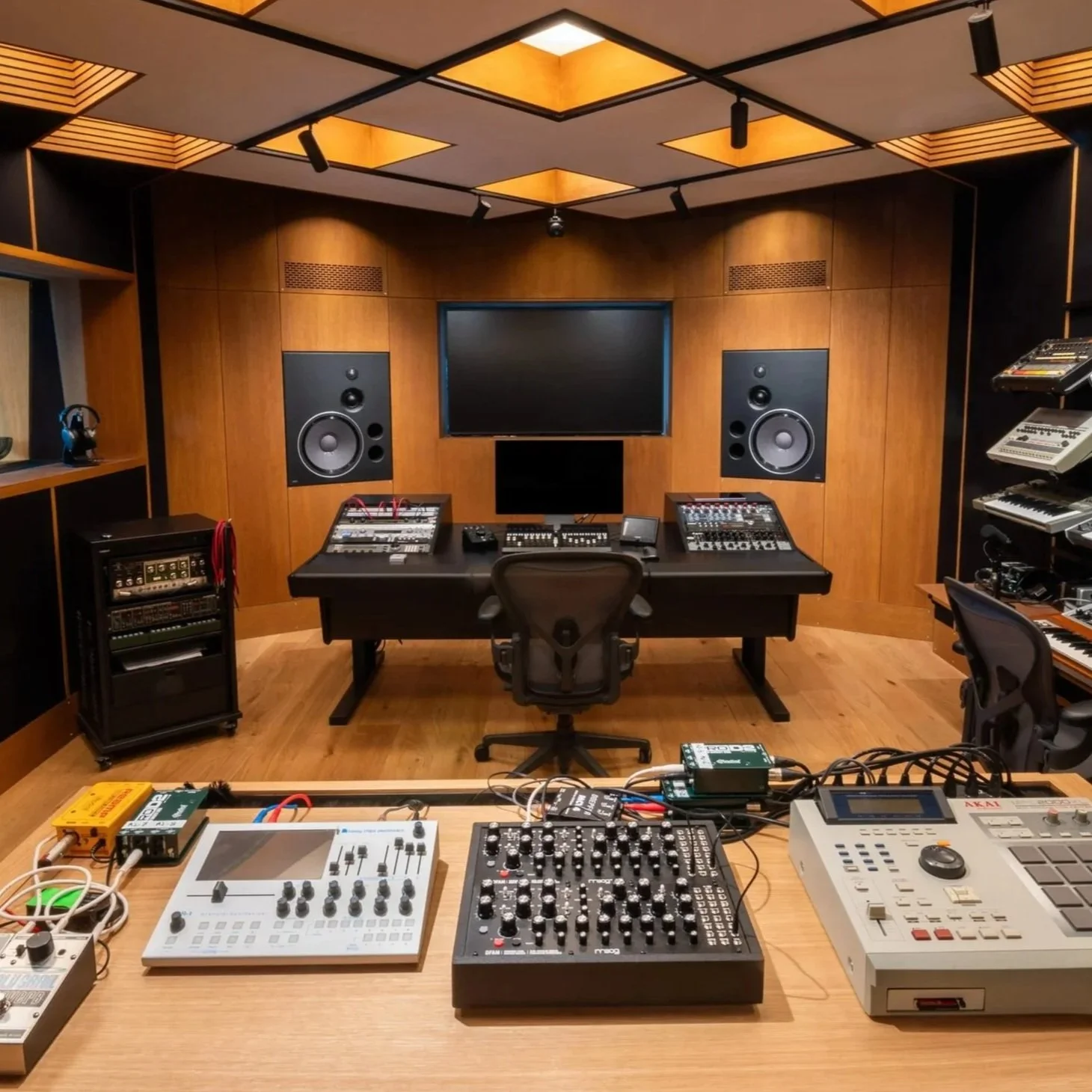
Red House is built upon a strong tradition of collaborating closely with talented artists, independent musicians, and visionary producers. Our spaces are meticulously designed by artists and producers, for artists and producers, ensuring an inspiring environment where creative ideas come to life. Featuring world-class acoustics, bespoke acoustic furniture, and a unique blend of vintage warmth and modern technology, every studio is tailored to optimize workflow. Numerous artists and groups on both the French and international scenes, including renowned acts and international collaborators, have entrusted Red House with their creative projects. To discover the full roster of creators who have recorded and collaborated with us, explore our references.
Recording studio and producer: frequently asked questions
-
Not necessarily. While booking a professional recording studio or scheduling studio time typically provides you with a treated room, high-end gear, and a recording engineer or studio engineer to handle the technical tracking, a music producer is a separate creative role. Unless you choose a studio package that specifically includes music production services, you will need to hire a record producer independently to guide your artistic direction and arrangement.
-
The cost of hiring a music producer varies widely based on their experience in the music industry and the scope of the project. Producers may charge a flat fee per track for producing music, an hourly rate for studio sessions, or request points and royalties (such as 2% to 4% of master rights) on commercial releases. Independent or freelance producers set their own rates depending on whether the work involves light arranging or full-scale music production.
-
While they work closely together during any recording session, their core responsibilities differ. A sound engineer or recording engineer focuses on the technical side managing microphones, signal flow, and capturing clean audio inside the control room. In contrast, a music producer focuses on the creative vision, shaping the performance, song arrangements, and overall aesthetic of the track, while a mixing engineer balances the multitracks later on.
-
Yes, many recording artists choose to record without a dedicated music producer, especially when their demos are already fully written and structured. If you know precisely what sound you want and act as your own record producer, booking a professional recording studio with a qualified studio engineer to capture your performance is entirely sufficient to bring your project to life.
Planning your own studio, as an artist or a producer?
Red House designs and builds custom recording studios.
Sources & Further Reading
- SoundGirls: Hiring a Producer vs. Booking a Studio
- U.S. Bureau of Labor Statistics: Broadcast and Sound Engineering Technicians Occupational Outlook