
How to Submit Your Music to a Recording Studio
Published on July 2, 2026
Reading time: 7min
By Lucas Medus - Studio & Acoustics Expert at Red House
Sommaire
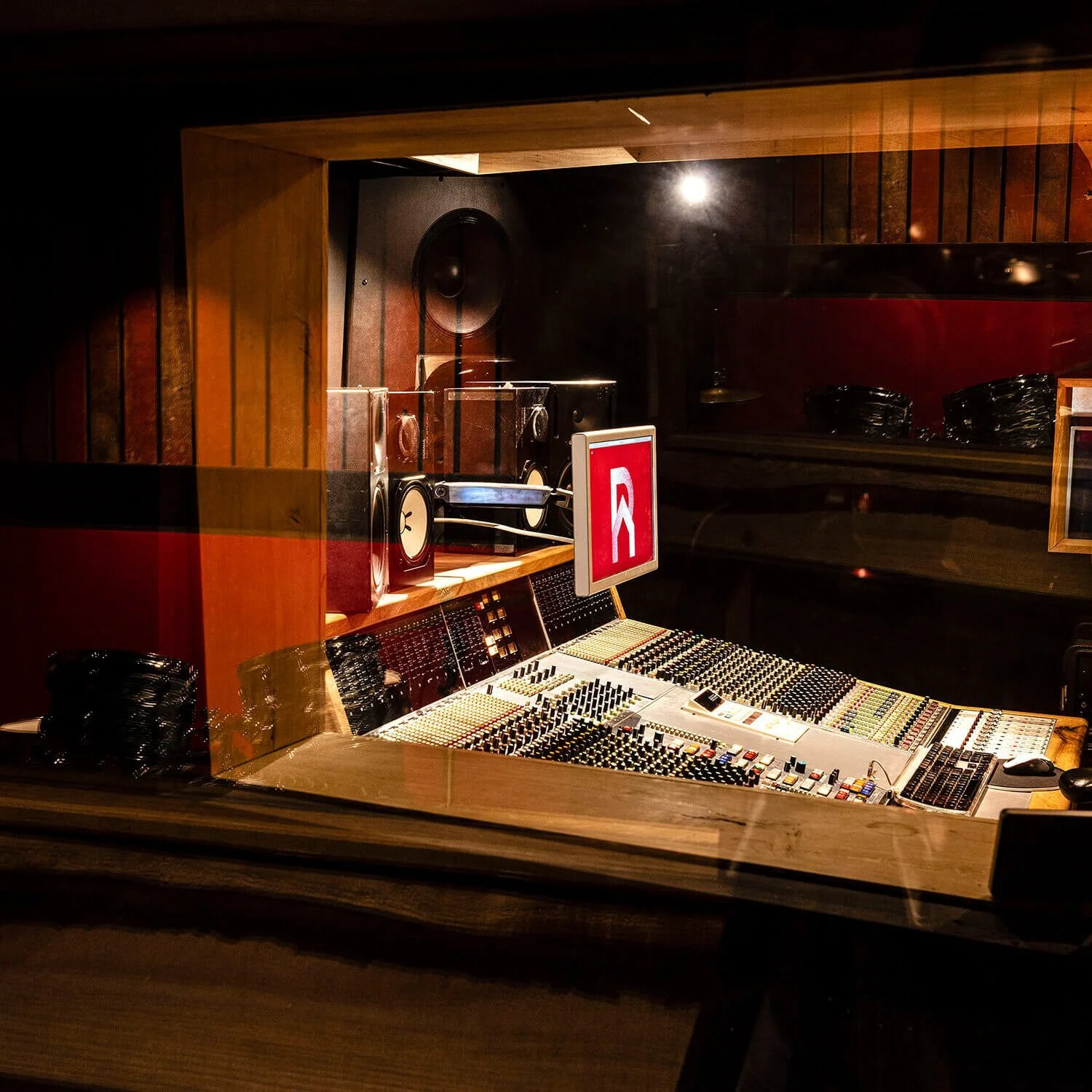
Countless independent artists dream of pitching their tracks and collaborating with professional recording facilities, yet many have no idea how to take that first step or what studio managers actually look for. The reality of the music business is harsh: a sloppy pitch or the wrong approach will almost always result in ignored emails and missed opportunities.
The goal of this guide is to break down exactly how to submit your music and present your project like a seasoned professional, ensuring your tracks get the attention and critical listening they deserve.
Thinking about building your own recording studio? Let’s design a space tailored to your workflow and sound.
Can you really send your music to a recording studio?
The short answer is yes, but it is crucial to understand that not all studios accept unsolicited music submissions. A common mistake among independent artists is confusing the distinct roles within the industry: a recording studio (whether a compact local setup or a large open modern recording studio) is a physical service provider focused on tracking and engineering, whereas record labels handle funding and distribution, and independent producers oversee the creative direction. Reaching out to a studio is highly relevant if you are looking to hire their team for professional mixing, mastering, or booking session time to track your instruments. Conversely, you should completely avoid sending your music if you are simply looking for a record deal, financial backing, or free promotion, as commercial studios are not designed to scout talent or distribute music.
When does it make sense to submit your music to a studio?
Submitting your music to a studio only makes sense when you can present a well-structured project rather than a simple, unpolished idea. Professional engineers and studio managers expect you to have a clear objective for your outreach, such as hiring a mix engineer, booking advanced music production, or planning a full tracking session for recording at studio facilities. The timing within your overall artistic project is equally critical; your songs should be thoroughly written, rehearsed, and prepared at a demo stage before you make contact. Reaching out at the right moment ensures you do not waste valuable session time and allows the technical team to immediately understand your creative vision and accurately estimate the budget required to bring your tracks to life.
Have a recording project ?
How should you prepare your music before submitting it?
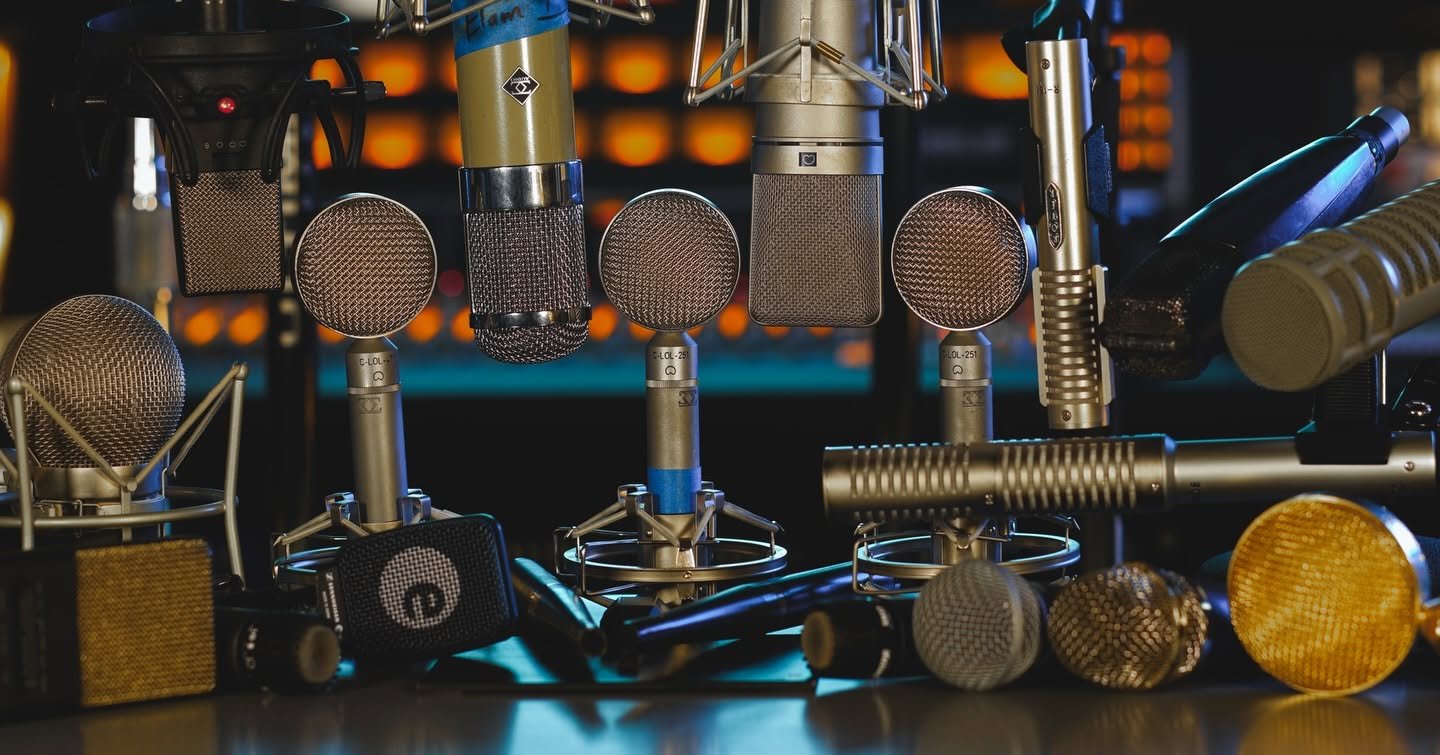
Before reaching out to a studio, you must ensure your tracks meet a minimum audio quality standard so engineers can accurately evaluate your work. Providing a clear and easily understandable demo is essential, meaning the core structure, vocal melodies, and instrumental arrangements should be fully discernible. The recommended formats for submission are high-quality MP3s for quick auditioning or uncompressed WAV files if you are sending pre-production multitracks. Furthermore, meticulous file organization is paramount; every audio file should be cleanly named, consolidated from the zero timestamp of your session, and neatly sorted into a zip folder. Presenting your project with this level of organization delivers the pristine quality of a turn-key recording studio for sale, instantly demonstrating your professionalism before anyone even presses play.
What should you include in a music submission?
Short presentation: Write a brief, concise introduction about yourself or your band to give the team immediate context without overwhelmed them with text.
Streaming link: Include a reliable, private listening link (such as SoundCloud or Dropbox) and never attach heavy audio files that could clog their email inbox.
Project type: Clearly specify the format of your upcoming release, whether you are planning a single, an EP, or a full-length album.
Inspirations: Share a few key musical references, sonic inspirations, or bands that match the aesthetic you want to achieve.
Objective: Define your precise goal for contacting them, detailing whether you need to book studio time for tracking, hire a mix engineer, or get a final master.
How do you contact a recording studio professionally?

When reaching out to a facility, always look for their preferred channel, which is typically a dedicated contact form on their website or a specific booking email address. The tone you adopt should be strictly professional, polite, and respectful of the staff's busy schedules. Personalization is key to standing out; take a few minutes to reference specific records they have engineered or gear they possess that drew you to their facility.
To ensure your message receives a response, avoid critical mistakes such as sending mass copy-pasted emails, omitting streaming links, or making vague demands about pricing without providing any details about your project.
Want a professional space for recording and mixing?
We design studios built for precision and performance.
What do recording studios actually expect from artists?
Project clarity: Studios look for a highly detailed vision concerning what you plan to accomplish, including the exact number of tracks and your production goals.
Level of preparation: You are expected to arrive with fully written, tightly rehearsed material and neatly organized files or pre-production demos.
Artistic consistency: Maintaining a coherent sonic direction and clear aesthetic references helps the engineering team capture your unique sound effectively.
Budget realism: Having a realistic understanding of professional rates for tracking, mixing, and mastering ensures a smooth, transparent, and respectful working relationship.
Why do most music submissions get ignored?
Generic emails: Sending mass copy-pasted messages to a dozen different studios without personalization is a guaranteed way to land directly in the spam folder.
Poor audio quality: If your demo has terrible sound quality where the vocals or instrumentation are indistinguishable, busy professionals will pass on it immediately.
No clear project: Reaching out without a defined plan or objective leaves the studio team guessing what you actually want from them.
Wrong target: Submitting your material to a facility or engineer that doesn't work with your genre or handle your type of project results in instant rejection.
What happens after a studio responds to your submission?
Initial exchange: Once a studio responds, you will engage in a preliminary conversation to break the ice, establish formal contact, and review your initial inquiry.
Project clarification:
Next, you will dive into the technical details to clarify the scope of your project, including the specific number of tracks, raw instrumentation needs, and overall sonic goals.Budget definition: After aligning on the creative needs, the studio manager will provide a transparent cost breakdown to define your total budget, lock down hourly or day rates, and establish deposit terms.
Session organization: Finally, with the financial details approved, you will coordinate the schedule to organize your upcoming sessions, set up load-in times, and officially book the calendar.
Do you really need a professional recording studio before submitting your music?
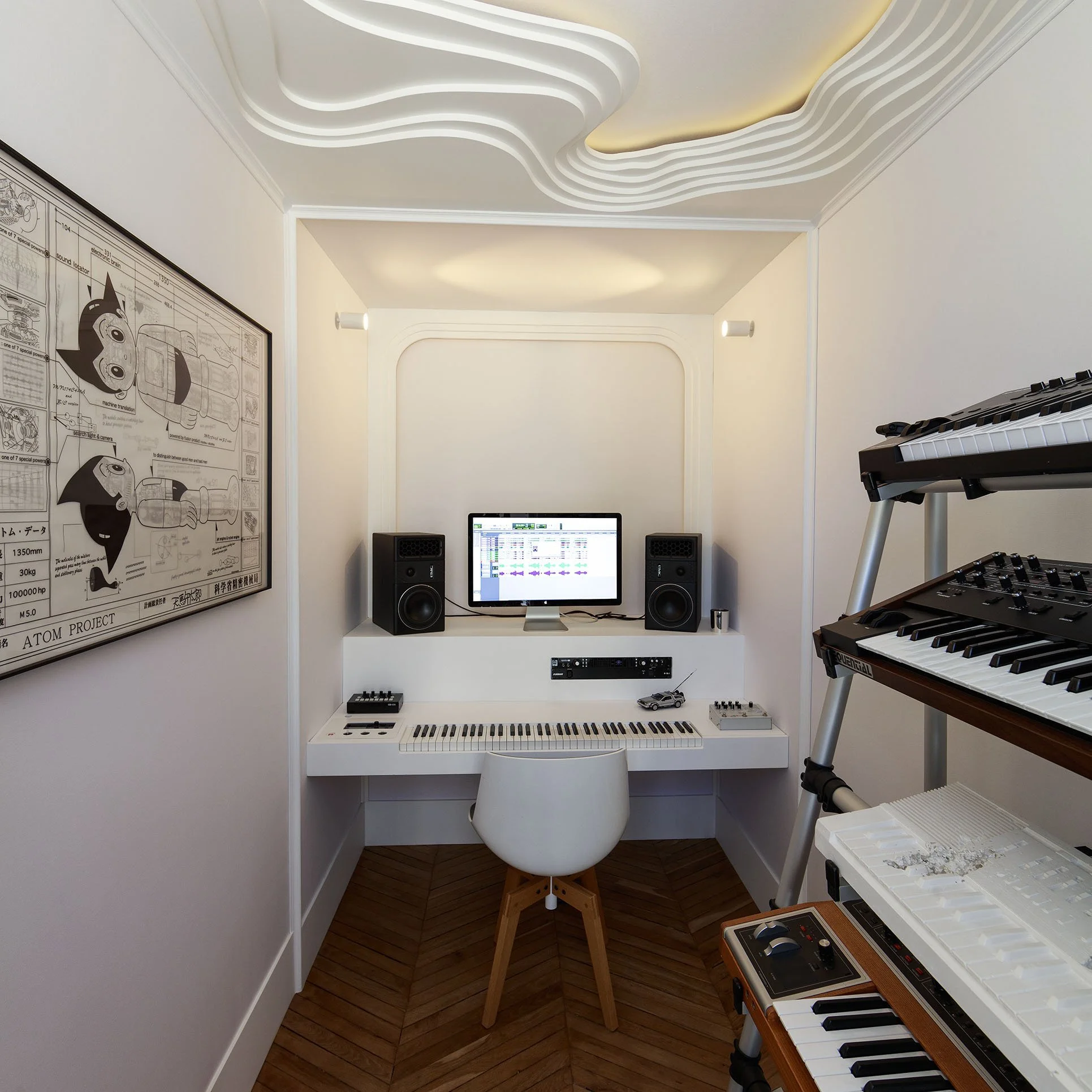
While browsing through DIY recording studio ideas or setting up a garage recording studio and building a custom studio desk at home is fantastic for writing and sketching out early ideas, a home setup quickly reveals its limits when trying to capture a competitive, release-ready sound. The absolute biggest hurdle in a residential space is the critical importance of acoustics, as untreated rooms introduce unwanted reflections and phase issues that muddy up your tracks. Even if you invest heavily in high-end gear, DIY workspaces rarely stand up to the meticulous, custom-built acoustic solutions found in a multi-room commercial facility. This discrepancy directly impacts the final quality versus professional perception, as seasoned mix engineers can instantly hear the acoustic shortcomings of a bedroom track. Ultimately, you should make the leap to transition to a professional studio the moment you require specialized acoustic consulting to capture live instruments flawlessly or when you are ready to prepare a project for commercial market standards.
Ready to take your music production setup to the next level?
Let’s design a studio that matches your creative ambitions.
Music submission to a recording studio: frequently asked questions
-
Yes, you can send your music directly to a commercial facility, but it is essential to understand how the music industry operates so you don't waste your time. A common misconception in the music business is that recording studios act like record labels. In reality, a commercial studio is a service provider dedicated to audio production, tracking, and sound engineering, whereas a record company or major record labels like Universal Music Group, Sony Music Entertainment, and Warner Music Group are the entities that actually fund projects, offer a recording contract, and help an artist get a record deal. While independent labels and music publishers actively scout for new artists to sign, a studio typically handles the technical creation of recorded music. Therefore, sending your own music directly to a studio is completely appropriate if your goal is to hire them for professional services to advance your music career, but not if you are expecting them to distribute your tracks to streaming services like Spotify or Apple Music.
-
The best way to submit music to a recording studio is to approach them as a professional client looking to utilize their audio engineering expertise. When preparing your submissions, you should package your demos neatly and include a brief, respectful introduction outlining your project's goals. Instead of attaching heavy files that clog an inbox, always provide a clean, private streaming link from platforms like SoundCloud. Clearly specify the genres of your music, whether it is pop music, rock, or electronic music, and indicate the current state of your compositions. Whether you need to book a professional recording session to track live instruments using pro tools, or you are an artist who crafts beats on ableton and simply needs a recording engineer for high-end sound recording and final mastering, being specific is key. Providing a clear roadmap allows the music producer or studio manager to evaluate your technical needs and accurately estimate the budget for your new album or new single.
-
Recording studios ignore most music submissions primarily because many independent artists send generic, mass copy-pasted emails that completely disregard the studio's actual business model. Many musicians and songwriters mistakenly send their new music to a studio looking for financial backing, artist development, or help with music publishing and collecting royalties, which are tasks handled by publishing companies and artist management. Additionally, if the digital audio quality of a sent demo is incredibly poor or completely unarranged, busy engineers simply do not have the time to listen through it. Studios also prioritize serious clients who understand the business of music; if a submission lacks clear intent, contains no streaming playlist, or targets a facility that doesn't even support their style of music, the message will unfortunately be overlooked by the studio team
-
You should contact a recording studio instead of just sending music when you are fully prepared to invest in professional music production and want to collaborate on building a high-quality product. Rather than blindly emailing tracks, it is far more effective to reach out to discuss a structured project, such as booking space for an entire orchestra, hiring a specialist for advanced audio recording, or scheduling final mixes. This proactive approach is especially relevant for emerging artists and independent music creators who have outgrown their home setups and need access to high-end music technology. Reaching out to discuss specific technical requirements, studio availability, and budget realities helps establish a real human connection with record producers and staff, turning a simple blind inquiry into a successful collaborative relationship for your upcoming new record.