
Published on October 20, 2026
Reading time: 10min
By Lucas Medus - Studio & Acoustics Expert at Red House
Sommaire
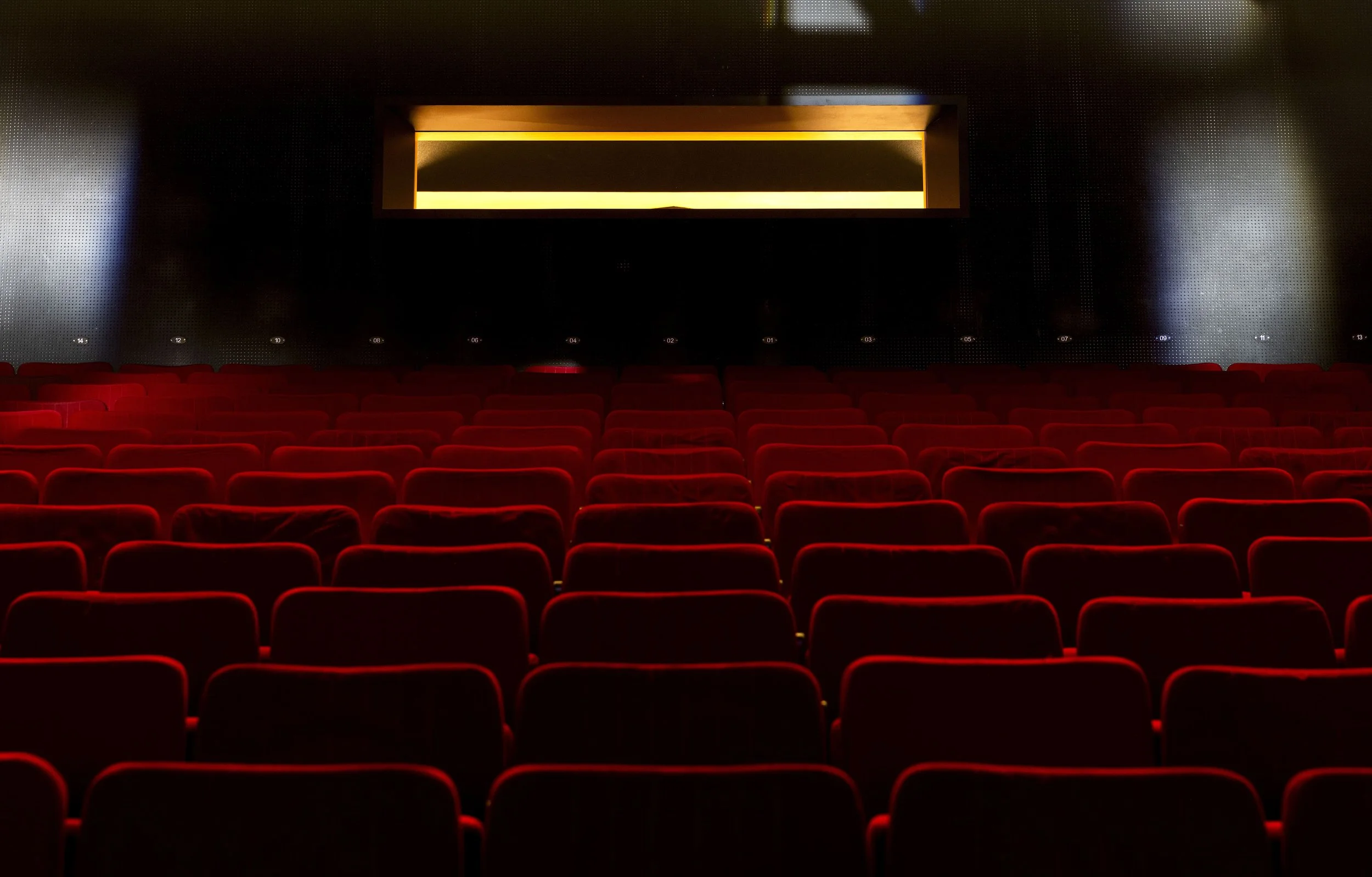
Theatre acoustics focuses primarily on speech intelligibility, ensuring that every spoken dialogue and whisper carries perfectly to every audience member. Achieving this balance requires precise room geometry, targeted reverberation control, sound isolation, and tailored sound reinforcement designed for performance spaces.
Need to improve the acoustics of a concert hall ?
Key Takeaways
- Good theatre acoustics means clear speech in every seat, from the front row to the balcony.
- Reverberation must be shorter for spoken drama than for music.
- Room shape, reflective and absorptive surfaces work together to distribute sound evenly[cite: 3].
- Background noise (HVAC, outside traffic) is often the hidden problem in performance spaces[cite: 3].
- Sound reinforcement supports natural acoustics but cannot fix a poorly designed room[cite: 3].
What are the acoustics of a theatre?
The acoustics of a theatre refer to the physical and architectural design of a hall optimized to deliver clear, intelligible speech and nuanced acoustic performances to every audience member. Unlike orchestral spaces, where longer reverberation times enhance musical warmt, a theatre's acoustic design prioritises vocal clarity, articulate expression, and low ambient noise so every spoken dialogue carries effortlessly.
While music-centric spaces focus primarily on acoustic resonance and reverberation balance (as explored in our guide to Concert Hall Acoustic Design), a dedicated theatre space is engineered to prevent vocal fatigue for actors while ensuring precise speech intelligibility across all seating levels.
Why speech intelligibility is the priority in theater design
In a drama performance, meaning relies entirely on the clarity of the spoken word. Unlike musical instruments, which sustain sound over longer periods, human speech consists of rapid transitions between consonants and vowels. High speech intelligibility requires that every consonant remains crisp and distinct, ensuring natural articulation reaches audience members seated far from the stage without loss of comprehension.
When acoustic reflections blur these swift vocal nuances, spectators in distant rows or upper balconies struggle to follow the dialogue. Designing a venue around speech intelligibility protects dynamic performances, allowing subtle whispers as well as dramatic projections to be understood effortlessly throughout the entire hall.
⚠️ Good to know A room that is perfect for a symphony can make actors hard to understand. Theaters for spoken drama need a shorter reverberation than concert halls.
The key acoustic principles of a theater
Designing an exceptional theater requires a precise balance between architectural acoustics and geometry. To achieve optimal speech clarity, several fundamental acoustic principles must be carefully controlled throughout the space.
Reverberation time: finding the right balance
Reverberation time plays a critical role in how speech is perceived. If the decay time is too long, successive spoken syllables overlap, muddying the dialogue and forcing actors to strain their voices. Conversely, a room that is overly damp or "dead" lacks warmth and energy, making performances feel unnatural and difficult to project. Finding the right balance ensures that speech remains crisp and energetic without excessive acoustic tail.
Early reflections: helping sound reach the audience
Early reflections, sound waves that reach the listener within the first few milliseconds after the direct sound, are essential for acoustic presence and volume. Strategically angled reflective ceilings and side walls near the stage capture the actor's natural voice and direct it toward the audience, effectively boosting sound energy in distant seating areas and balconies without digital amplification.
Avoiding echoes, flutter echoes and focusing
Acoustic defects can severely ruin speech intelligibility. Parallel side walls can cause flutter echoes while concave surfaces tend to focus acoustic energy onto specific spots, creating uneven volume. Furthermore, untreated rear walls can bounce sound back to the stage as a distinct, delayed echo. Proper room shaping and acoustic treatments eliminate these intrusive distractions.
Diffusion and absorption: where to place them
Managing acoustic energy requires placing the right materials in the right locations:
Absorptive materials are typically placed on rear walls and back seating boundaries to prevent late reflections and long echoes from returning to the stage or front rows.
Diffusers are strategically installed along side walls or upper surfaces to scatter acoustic energy evenly across the hall without removing room vitality.
Background noise and sound isolation
A theater's acoustic dynamic range depends on a low noise floor. Intrusive noise from HVAC ventilation systems, external traffic, or adjacent spaces like lobbies and foyers can easily drown out soft spoken dialogue. Comprehensive sound isolation including quiet mechanical system design, double-wall assemblies, and acoustic buffer doors is essential to keep outside distractions out.
Is your theater hard to hear from the back rows?
Red House measures your room's acoustics and designs tailored solutions to improve speech clarity and comfor
How theater shape affects soun
The architectural geometry of a theater fundamentally dictates how sound waves travel, reflect, and distribute across the audience. Choosing the right layout involves balancing intimacy, sightlines, and natural acoustic projection while managing structural challenges like balcony overhangs and acoustic shadows.
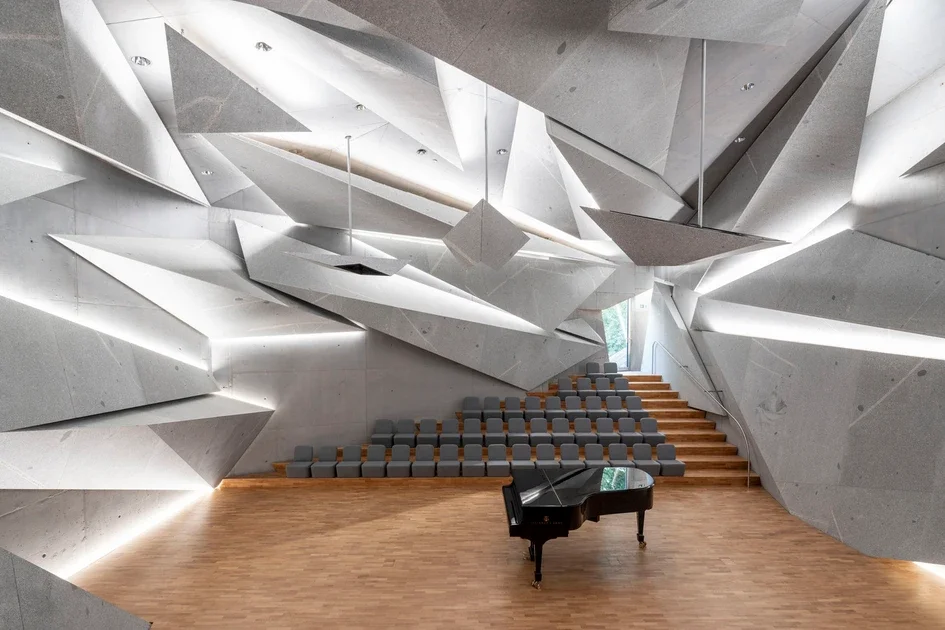
Fan Shape: Wide layout with angled reflective surfaces.. Source : Architonic
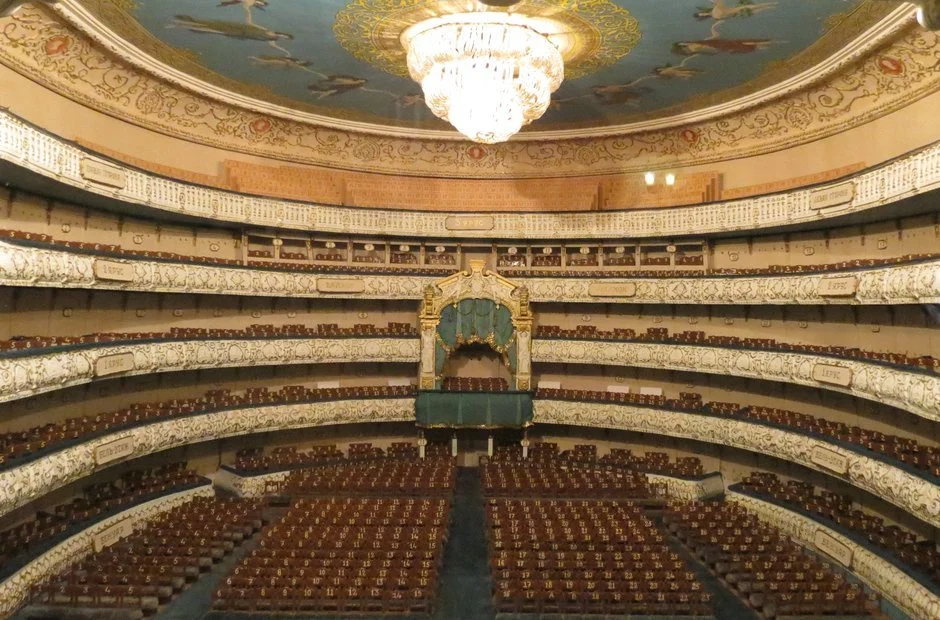
Horseshoe Layout: Traditional multi-tiered opera house configuration.. Source : Izba Arts
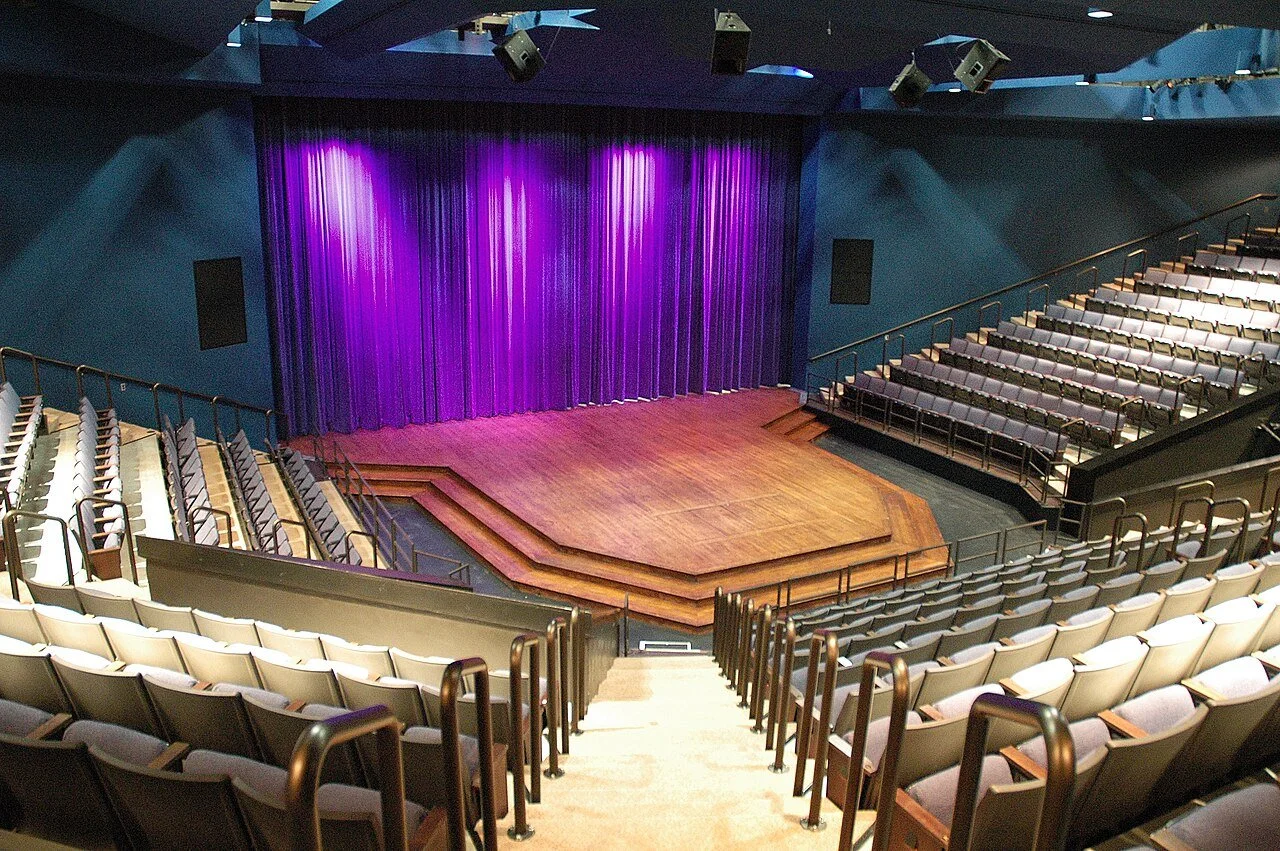
Thrust Stage: High acoustic intimacy with audience surrounding the stage.. Source : Wikipedia
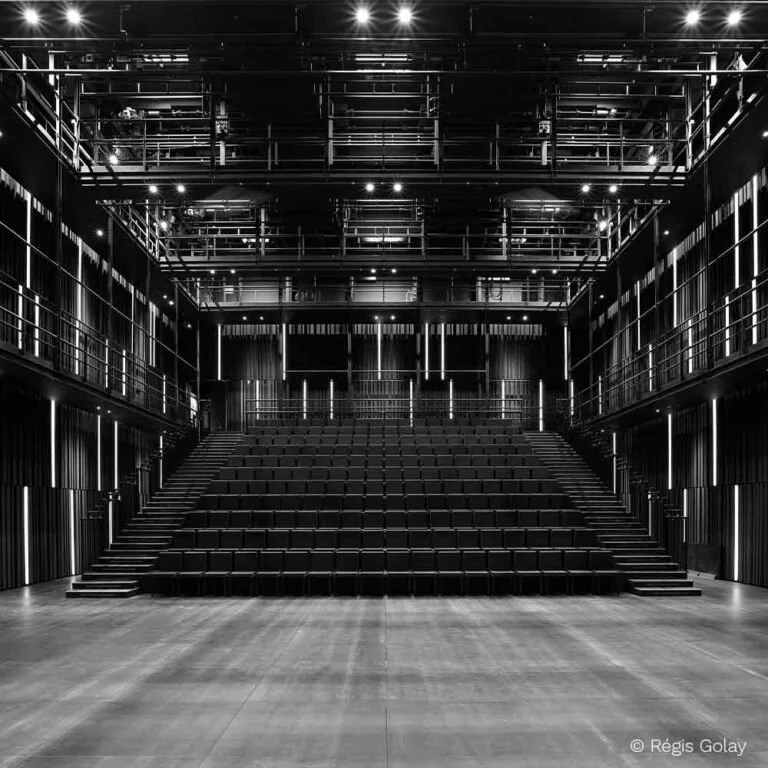
Black Box: Highly flexible, neutral space for experimental productions.. Source : HOAC
| Theater Layout | Acoustic Strengths | Acoustic Challenges | Best For |
|---|---|---|---|
| Fan Shape | Provides excellent sightlines and wide early sound reflections from side walls to front seats. | Wide rear walls can cause late echoes; sound energy weakens significantly at the far rear corners. | Large lectures, contemporary drama, and multi-purpose auditoriums. |
| Horseshoe (Opera House) | Short distance from stage to seats creates vocal warmth and high aesthetic intimacy; balcony tiers absorb excess volume. | Deep overhangs under balconies create acoustic shadows (reduced clarity for rear rows). | Classical opera, traditional theater, and unamplified vocal performances. |
| Thrust Stage | High acoustic intimacy as the audience surrounds the stage on three sides; strong direct sound transmission. | Actors facing away from portions of the audience cause uneven vocal distribution; requires careful actor orientation. | Intimate drama, classical plays (e.g., Shakespeare), and acoustic storytelling. |
| Black Box | Flexible layout allowing tailored acoustic treatments; highly controllable environment with short reverberation. | Requires artificial or adaptable acoustic treatment depending on seating configuration; lack of fixed reflective surfaces. | Experimental theater, small-scale productions, and intimate contemporary plays. |
Drama, musical theater, opera: different acoustic needs
Different types of performances place distinct demands on a hall’s acoustic environment. Spoken drama requires low reverberation and high speech clarity so unamplified voices carry effortlessly. Operatic performances, which also rely on natural, unamplified voices, demand a larger volume and a slightly longer decay time to support the rich resonance of classical singing alongside a full orchestra. Musical theater presents a hybrid challenge: it combines amplified vocals with live or recorded music, requiring controlled acoustics to prevent muddy mixes. To accommodate diverse programming, modern venues often implement variable acoustics such as deployable drapes, motorized banners, or adjustable wall panels, allowing the space to adapt its reverberation according to the event.
The role of sound reinforcement in modern theaters
While a theater should ideally support natural sound propagation, modern sound reinforcement systems play an essential role in complex or large-scale productions. Rather than replacing physical acoustics, electronic amplification is designed to complement the room’s geometry discreetly. Precise loudspeaker placement utilising proscenium arrays, line sources, and under-balcony fill speakers ensures uniform coverage and consistent audio levels without overwhelming the audience. When sound reinforcement is seamlessly aligned with the natural acoustic response of the hall, localized sound remains natural, preserving the visual and auditory link between the stage and the listener.
How to improve the acoustics of an existing theater
Upgrading an existing venue requires a systematic approach that balances architectural preservation with modern performance demands. The renovation process begins with a comprehensive acoustic diagnostic, utilising precision impulse response measurements and 3D acoustic modeling to identify flutter echoes, dead spots, and excessive reverberation times. Based on these measurements, targeted acoustic treatments, such as acoustic wall panels, ceiling diffusers, heavy stage curtains, and cushioned acoustic seating, are integrated to optimize speech intelligibility and sound distribution without altering the hall's character.
Addressing background noise and sound isolation is equally critical during a renovation. HVAC equipment noise can be significantly reduced by installing silencers, acoustic duct lining, and low-velocity diffusers. Furthermore, upgrading entryway doors and isolating structural vibration pathways prevents external distractions from disturbing delicate theatrical performances. Discover tailored acoustic consulting solutions to assess, refine, and transform your performance space.
Planning a new venue or renovating a performance space?
From acoustic design to treatment and sound isolation, Red House supports your project from concept to completion.
Common mistakes in theater acoustic design
Treating acoustics as an afterthought: Integrating acoustic requirements late in the project often leads to costly architectural compromises and subpar performance.
Over-absorbing the room: Adding excessive sound absorption creates a lifeless, "dead" environment that forces actors to strain their voices.
Unintentional parallel surfaces: Unbroken parallel walls and flat ceilings generate distracting flutter echoes and uneven acoustic distribution.
Ignoring noisy HVAC and mechanical systems: High background noise levels from ventilation systems easily mask soft dialogue, making it as challenging to control as acoustics in busy venues.
Relying solely on sound reinforcement: Electronic amplification can complement good physical acoustics but cannot correct a fundamentally flawed room design.
Famous theaters known for their acoustics
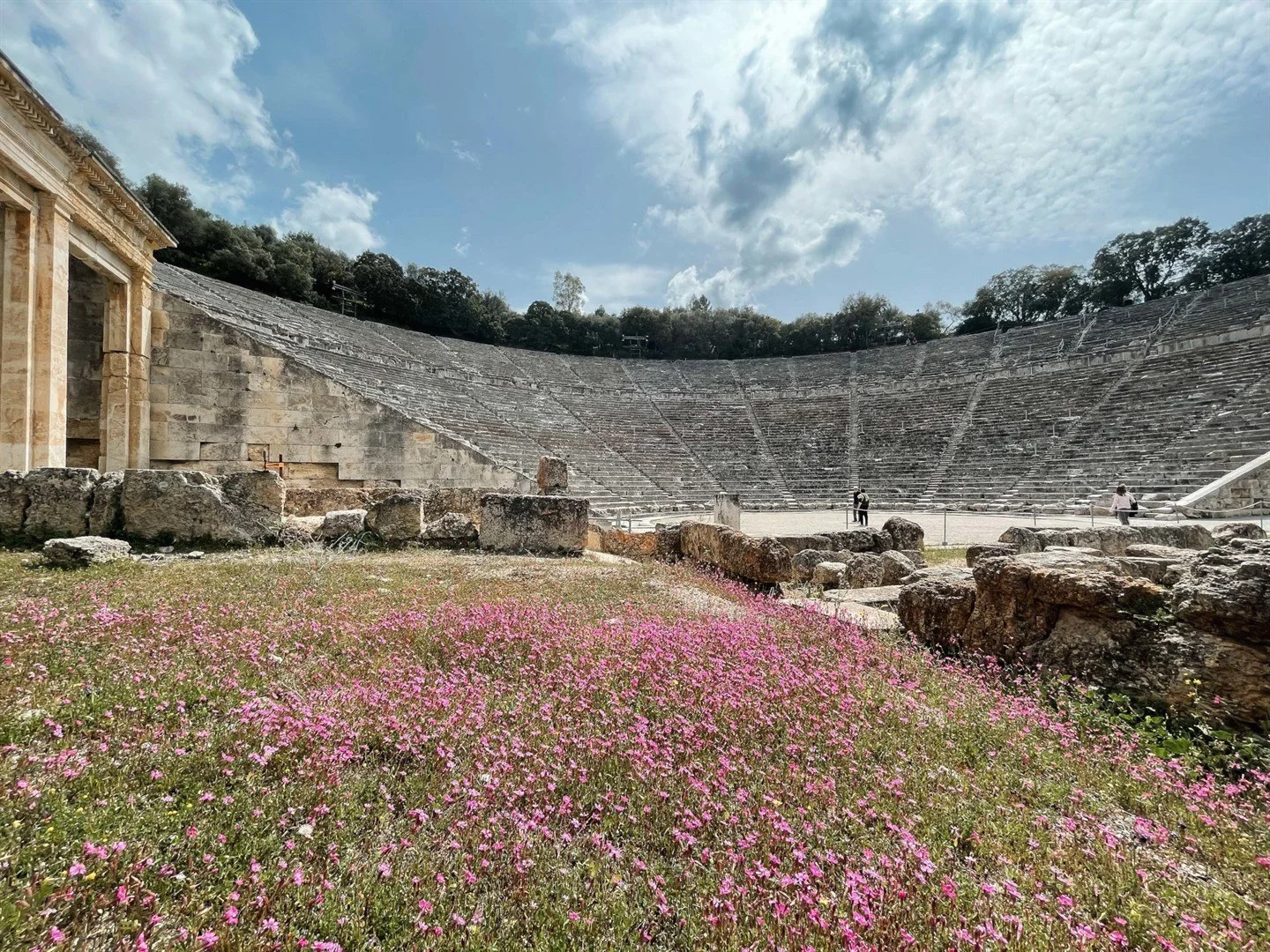
The Ancient Theater of Epidaurus (Greece)
Built in the 4th century BC, the Ancient Theater of Epidaurus is world-famous for its extraordinary speech intelligibility, allowing unamplified vocal performances to be clearly heard up to the back rows. Research published by the Acoustical Society of America demonstrates that the stepped limestone seating acts as a natural acoustic filter, suppressing low-frequency background noise (such as wind or audience movement) while reflecting and enhancing high-frequency vocal sounds
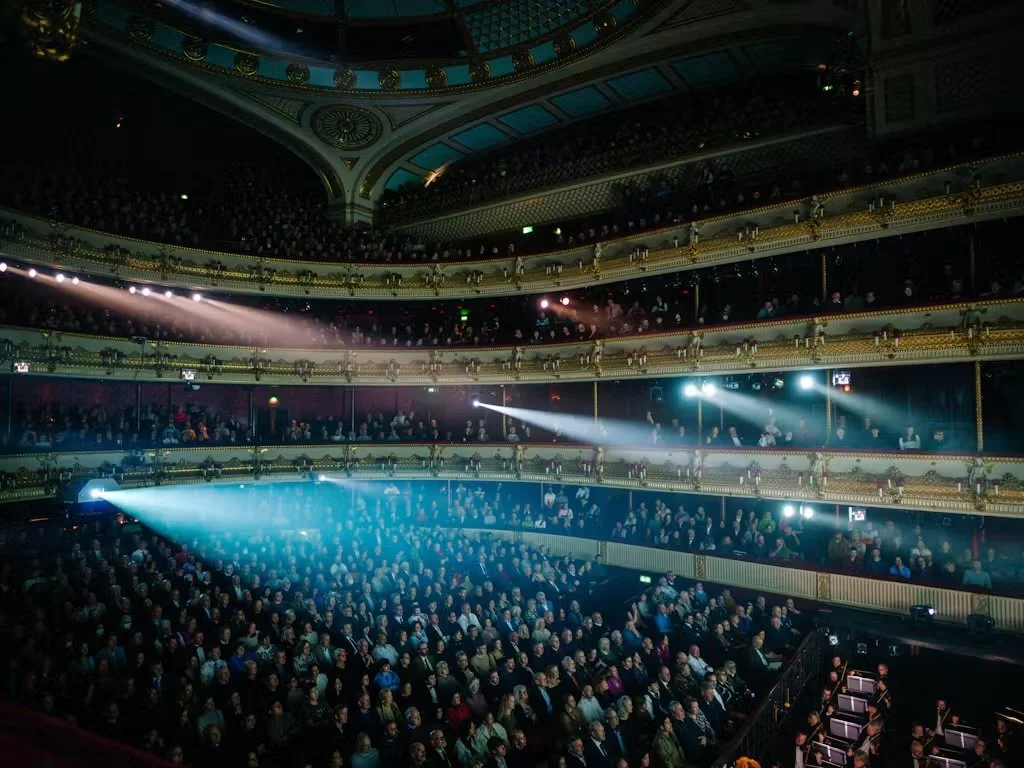
The Royal Opera House (Covent Garden, London)
Renowned for its traditional horseshoe layout, the Royal Opera House achieves a delicate balance between vocal clarity and orchestral warmth. Acoustic studies highlight how its wood-lined interior, combined with optimized balcony overhangs, distributes sound reflections evenly while maintaining intimate contact between the performers and the audience.

Why choose Red House for your venue's acoustics?
Designing or upgrading a performance space requires deep technical expertise and a tailored approach. Red House provides end to end acoustic consulting services for theaters, opera houses, and nightlife venues, ensuring every project balances acoustic perfection with practical architectural design.
Our core capabilities include:
Acoustic Measurement & Diagnostics: Utilizing high precision equipment to analyze reverberation time, speech clarity metrics, and room response.
Custom Acoustic Design: Developing tailored solutions for ideal speech intelligibility and balanced sound distribution.
Acoustic Treatment & Isolation: Implementing effective soundproofing, vibration control, and specialized absorber and diffuser installations.
Venue & Nightlife Expertise: Drawing on extensive experience across theaters, live performance venues, and complex acoustic spaces.
Acoustics of theatre: frequently asked questions
-
A good theater combines high intelligibility, balanced reverberation, and low background noise. Optimizing room dimensions controls sound waves and prevents standing waves or room modes. This ensures proper sound energy and an ideal sound pressure level (in decibel) reach every listener without HVAC interference. Standards supported by the Acoustical Society of America blend architectural acoustics, high sound transmission class rating, and sound isolation for clear speech communication.
-
To eliminate echo, install absorption materials like acoustic panels or acoustical panels with a high absorption coefficient to control reverb and low frequency build-up. Use a diffuser for diffusion and sound scattering to stop flutter echoes between walls. Adding an acoustic ceiling, absorber units, and heavy curtains further optimizes overall room acoustics across auditorium halls.
-
Theaters focus on vocal intelligibility and fast speech communication, requiring shorter reverberation times so spoken dialogue remains sharp. Concert halls use longer decay times and sustained sound energy to provide warmth and resonance for orchestral music. While musical acoustic design emphasizes reverberant envelopment, architectural acoustics for drama prioritizes direct sound and strict noise control.
-
Yes, small theaters need dedicated acoustic treatment to prevent severe flutter echoes and boomy room modes in the low frequency range. Compact acoustic panels, stage curtains, and soundproofing ensure proper sound isolation. Proper acoustic design maintains speech intelligibility for every listener, whether using natural voices or a loudspeaker in a surround system.
Want your audience to hear every word?
Red House designs and improves the acoustics of performance spaces
Sources & Scientific References
- Declercq, N. F., & Dekeyser, C. S. (2007) : Acoustics of Ancient Greek Theatres — Journal of the Acoustical Society of America (JASA), 121(4), 2011–2022
- Barron, M. (2009) : Auditorium Acoustics and Architectural Design (2nd ed.) — Routledge / Taylor & Francis
- Acoustical Society of America (ASA) : Official platform and technical publications on architectural acoustics and speech intelligibility
- UNESCO World Heritage Centre : Sanctuary of Asklepios at Epidaurus — Architectural & acoustic preservation records
- Royal Opera House Technical Archives : Auditorium Acoustic Assessment & Refurbishment Reports